In October, the most viral trend on TikTok was the Nicki Minaj “Beez in the Trap” challenge.
The trend sees two people standing back to back, with the first person singing along to “What’s Up?” by 4 Non Blondes, and as the camera moves around them, the other person begins singing the namesake song by Minaj and 2 Chainz.
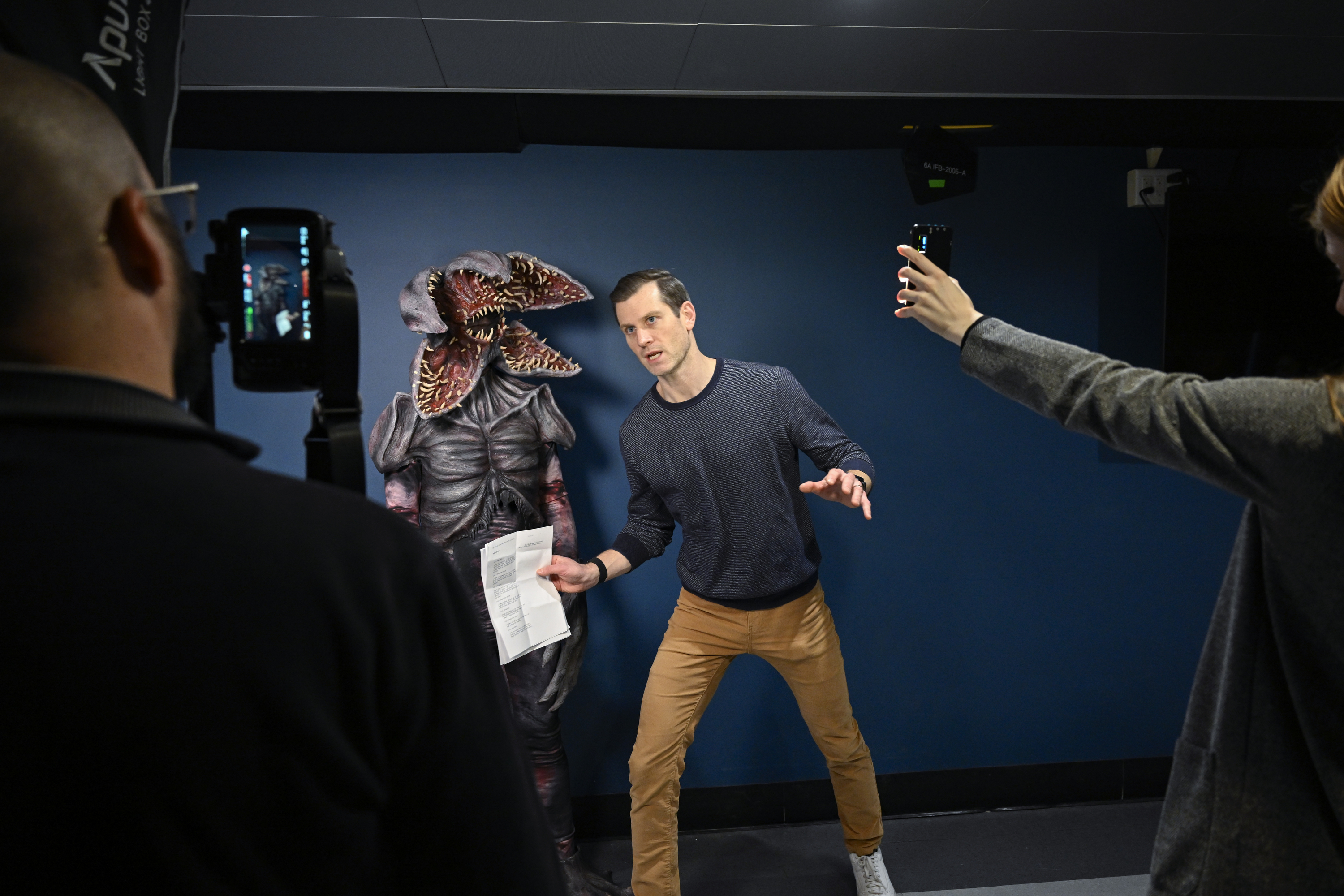
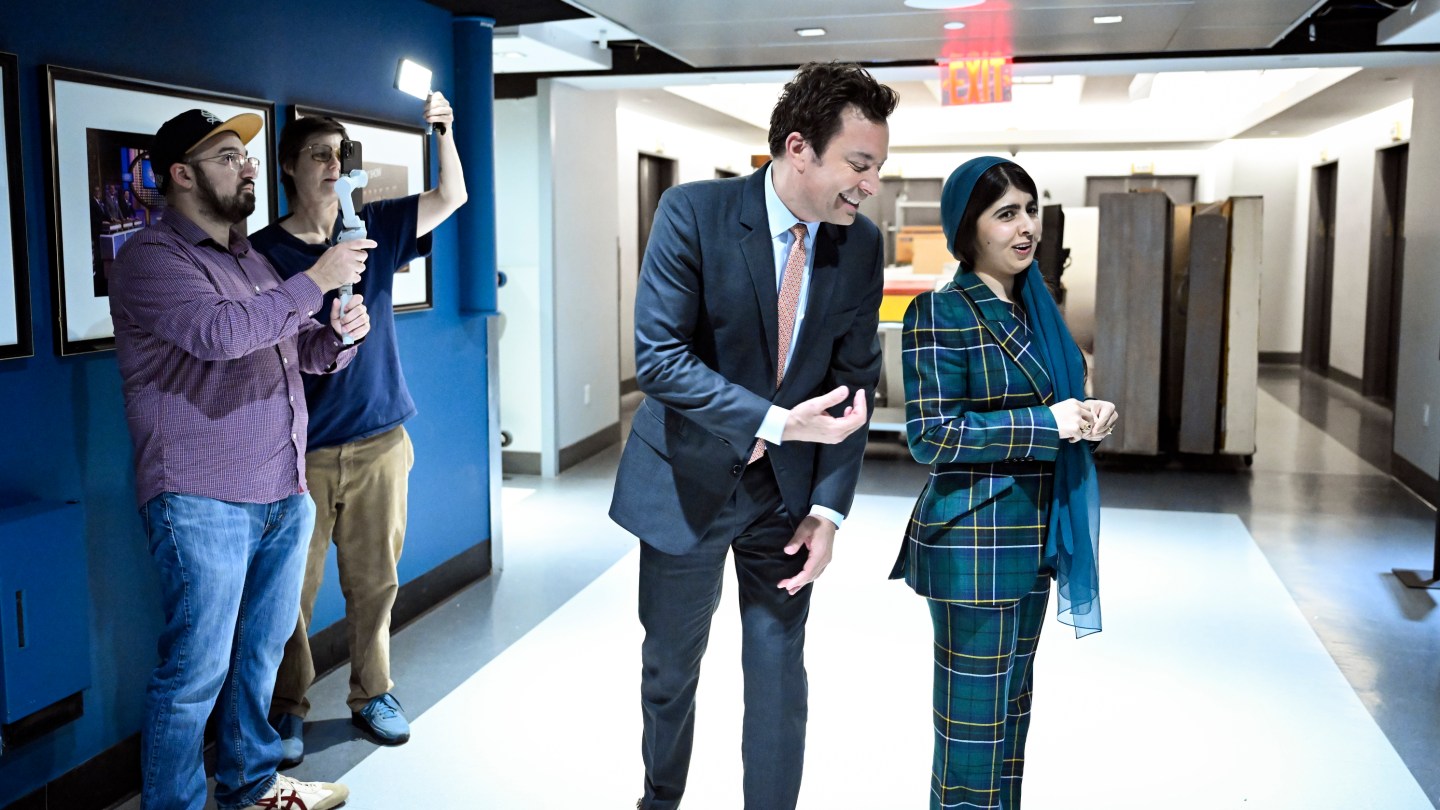
Thousands and thousands of videos were posted, and celebrities like Sabrina Carpenter got in on the act as well. But the one that broke through into broader pop culture was actually the product of NBC‘s Tonight Show, with Jimmy Fallon himself singing “What’s Up” before the surprise reveal of Malala Yousafzai singing to “Beez in the Trap.”
The clip was short (watch it here), but it epitomized The Tonight Show in a digital age where the worlds of comedy and celebrity are colliding with social virality. The video now has 109 million views on TikTok.
The days when late night would set the culture are largely in the past, with social platforms now the driving force, particularly for people under 40. But that is a world that Fallon is himself comfortable in.
The Malala surprise is a textbook example.
“He’ll text all day long: He saw this on TikTok, or this was fun on Instagram, or what if we did that? He’s in it immensely,” says Chris Miller, the executive producer of The Tonight Show, in an interview with The Hollywood Reporter.
“It’s very much like a back and forth conversation we’re having when we have these guests on the show to make sure that we are putting together something that doesn’t feel like we’re just hopping on a trend,” adds Tonight Show digital producer Nick Dyer, adding that Fallon and the show had been tracking the “Beez in the Trap” trend for weeks. “We were like, ‘should we do it?’ And then we booked someone like Malala, who’s so incredible and amazing and sweet, and that unexpected reveal of having her do the ‘Beez in the Trap’ trend, lip syncing to Nicki Minaj was just so funny that we were like, ‘that’s our bit, that feels like The Tonight Show.’ It’s a fun reveal. It’s something that is unexpected and it doesn’t. Feel like we’re just regurgitating or repeating a trend that everyone else is doing.”
It’s not exactly a secret that late night is at something of a pivot point.
Stephen Colbert’s Late Show will end in a few months, with CBS exiting the late night space altogether. On ABC, Jimmy Kimmel has signed a one-year extension, suggesting that he doesn’t want long-term deals going forward. Don’t expect ABC to replace him with another late night show when he does decide to leave (as it happens, Fallon’s monologue about Kimmel’s suspension drew 120 million views, suggesting that the audience does care about late night).
NBC’s Tonight Show, of course, is the gold standard of late night, from Steve Allen and Jack Paar to Johnny Carson and Jay Leno. Fallon has hosted the program since 2014. Despite the changing economics, NBC remains committed to the program, betting that Fallon, Miller and the team can adjust to the new world that the format finds itself in.
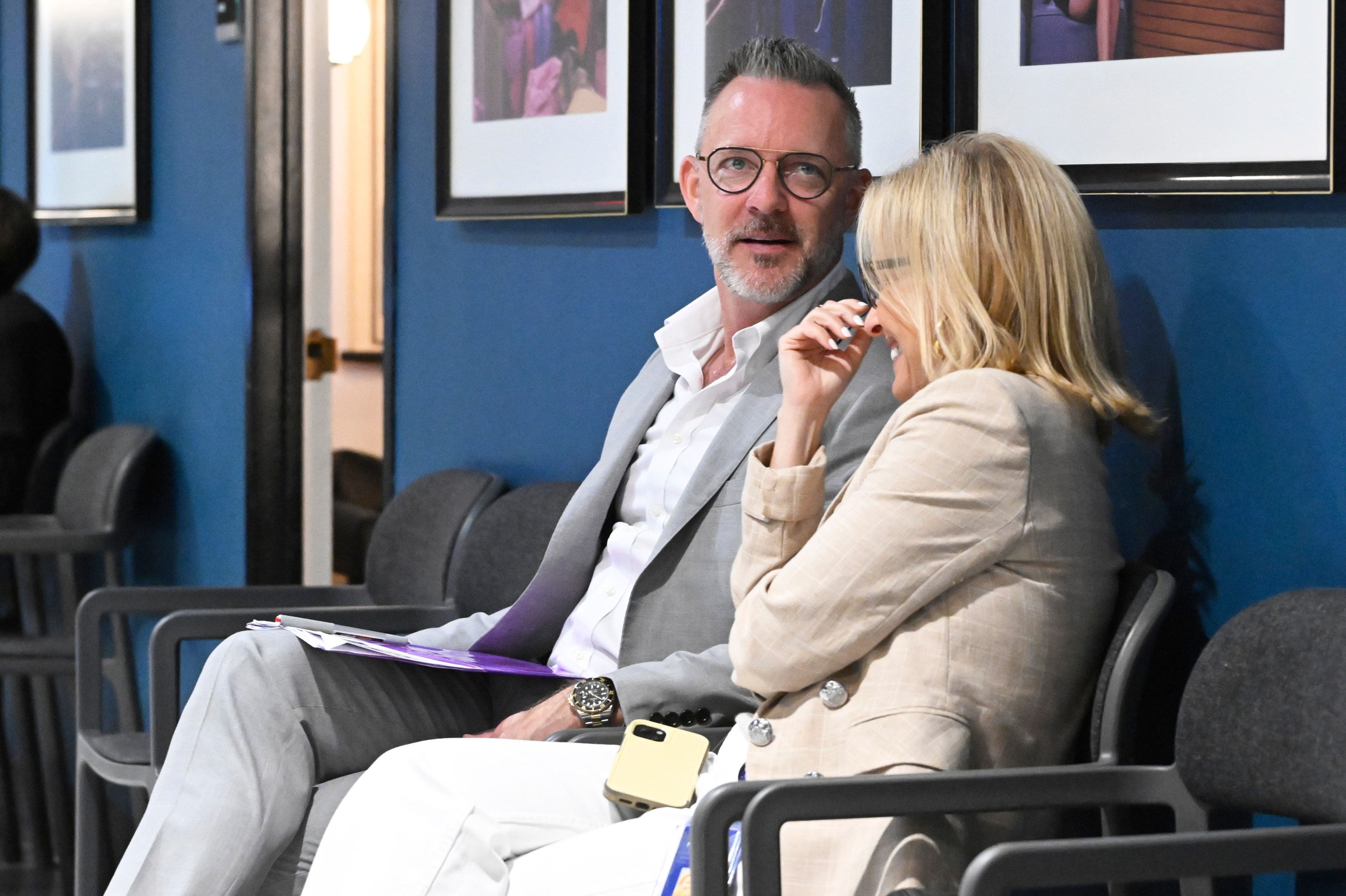
“The Tonight Show, is going to be on for 75 years a couple years from now [it debuted in 1954], and I always think, ‘how many things that have happened in the industry over those 75 years where people were like, what are we going to do now?’” Miller says. “This is a moment, let’s not overcorrect. Let’s not overreact to anything, all of a sudden, you’ve got cable television and you’ve got DVR and then the internet.
“I just always sort of think, at its core, wherever you’re consuming The Tonight Show, it’s going to be the familiar Tonight Show. It shouldn’t ever feel that different or be that different,” he adds, noting that what the show has begun finding success with in digital still functions as an extension of the core program. “We want a fun monologue. We want comedy. We’ll maybe do some act two comedy with a guest, maybe with audience members. We want great interviews where we get the talent to do something that you haven’t seen before, music that you’re hearing about.”
“As viewing habits are constantly changing, we pivot and evolve right along with them,” Dyer adds.
Indeed, many of the show’s segments (in particular its celebrity-led games) play well across social platforms, despite being designed for TV.
To that end, everyone knows now that, as the number of people watching late night live at 11:35 pm keeps dwindling, they are catching up in other places. YouTube in particular has become the home in many ways for late night, with both the network shows and wholly original digital upstarts battling for their share of the conversation.
“I think, from a traditional, longform, lean-back viewing standpoint, YouTube is still that platform where you can consume the full, extended interviews that we have, because Jimmy will talk to guests for much longer than what can fit into our linear broadcast,” says Dyer. “So that’s a great thing for people to check out after the show for more back and forth with Jimmy and guests. And then you look at something like TikTok and Instagram, and that’s where you will tend to see the lion’s share of those clips that go viral, where it’s these short moments that are clipped out to go out on different social platforms.”
The social nature of late night has also meant that the producers are increasingly thinking about those platforms for original content. Some of it is short and surprising, like the Malala skit, while others are more elaborate.
“We’re eventizing and making these moments when we have these big stars on the show, when they’re not just talking to Jimmy, but they’re also playing a game or doing something really fun with Jimmy, and then backstage, we’re doing something creative and fun with them as well,” Dyer says.
And the stars have noticed.
“Everyone is aware at this point that there’s a second life to be had, and often a third and a fourth life, by doing our show because of our digital network,” says Lori Blackman-Master, the supervising producer and head of talent for the show. “Any publicist, manager, agent, and honestly, most of the guests themselves are well aware at this point of the reach that we have. What continues to surprise me and surprise them is the numbers.”
According to data provided by the show, video views across social platforms soared by 30 percent in 2025 to 16 billion, with the show now counting more than 114 million followers across its digital and social footprint.
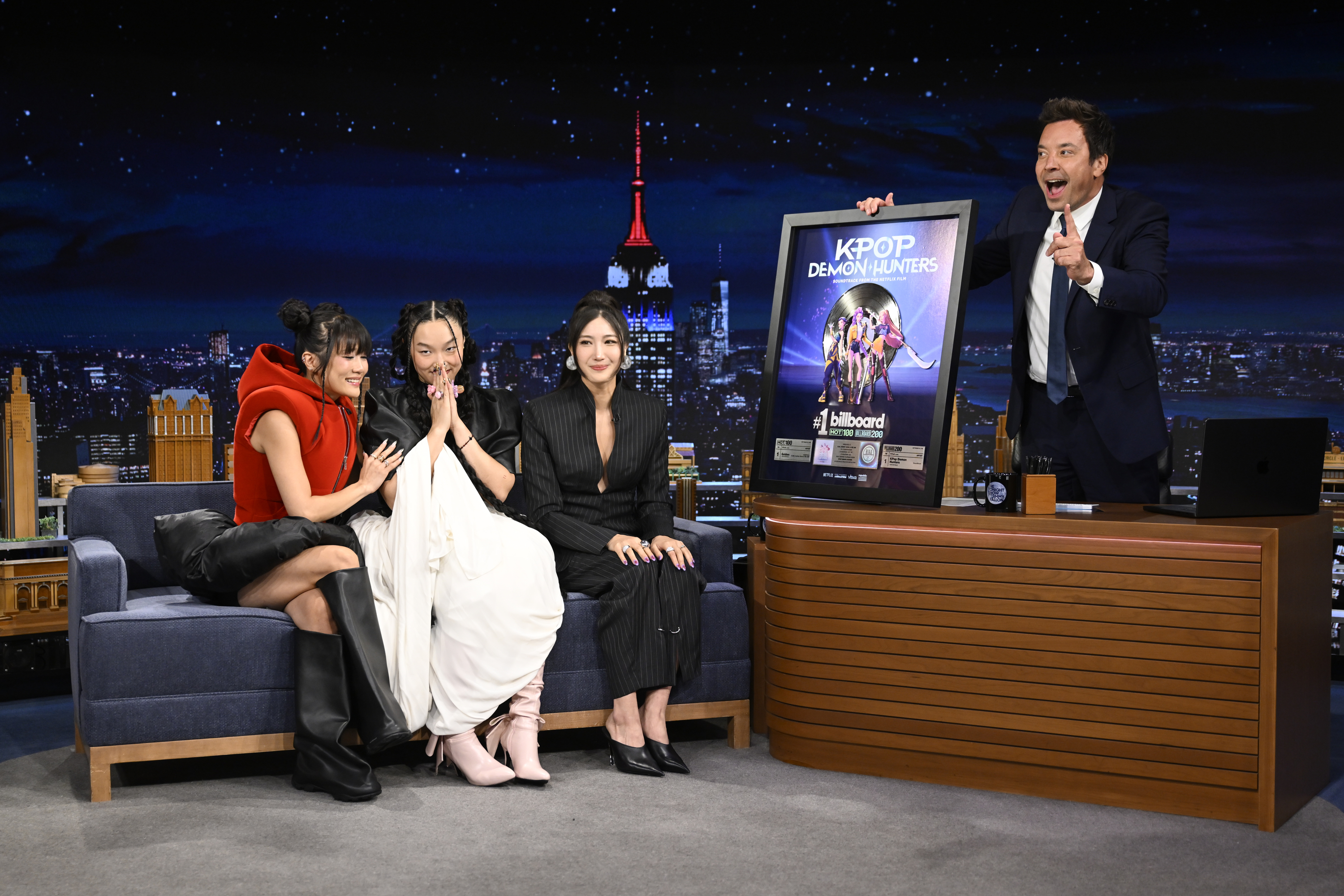
Big pop culture programming and events remain the big driver, with content related to Stranger Things garnering more than 1.6 billion views alone; KPop Demon Hunters-related segments generating 380 million views and an October appearance from Taylor Swift drawing 270 million views.
But Blackman-Master says that the changing dynamics of fame have also changed how her team thinks about booking guests.
“We really have broadened our scope of the types of people that we’re booking,” she says. “We will always have the A-listers, and they will always do well on socials, but we really are having a lot more fresh faces, a lot more unexpected types of guests, a lot more guests that have projects that are coming out that we have just right on the precipice of, like when it’s exploding.
“A lot of our musical guests, we talk about it long before we book them, and by the time we have them on the show, everybody’s talking about them,” she adds. “And I think that from my perspective, the digital networks that we have, and the second and third lives that this offers us, allow us to have more types of bookings like that on the show. And it’s been really beneficial, both to the linear and to the social, and also to us as a booking department.”
The future of late night TV as a business may be out of the hands of Fallon and Miller and the Tonight Show team, but they exude a confidence that they can and will adapt to meet the moment. The show has managed to evolve over the last 70-plus years while remaining true to what it is.
“When you look at the clearance list, when people come, giant stars are bringing their mom and their dad,” Miller notes. “I’ve worked on other shows where you don’t get the moms and dads coming in.
“We’ve got The Tonight Show, this incredible thing that everybody knows,” he says. “Then you’ve got Jimmy Fallon, we don’t even need to say more than that. He’s willing and game and talented and can sing and act or do whatever, and then we’ve got this incredible booking department that just is somehow ahead of everything.
Miller adds, “It really is just a perfect storm of legacy and talent and amazing producers that we have with the show.”
And people will be watching, even if it is more likely to be on their phone these days.