Othmar Schmiderer (Blind Spot: Hitler’s Secretary, Back to Africa) has made films for more than 40 years, so he knows a thing or two about sustainability. So it seems fitting that nature and rural life are recurring themes of his work.
The latest documentary from the director, writer and producer, Elements of(f) Balance, which gets its international premiere at the International Film Festival Rotterdam (IFFR)’s 55th edition, where it screens in the Harbour program beginning on Feb. 1, sees Schmiderer scouting the planet for examples of people who have found ways to live in balance with the natural world.
The film, which the director co-wrote with Stephan Settele, with Siri Klug handling cinematography and Arthur Summereder editing, takes viewers on a journey to ecosystems “hardly ever seen before,” as press notes about the movie emphasize. Looking for alternatives to exploitation, its focus is “not on dystopian visions of the future, but on a new awareness and the new, concrete opportunities that open up for humanity when interrelated ways of living and forgotten alliances form the basis of our dealings with nature,” they add.
Filmdelights is handling international sales on the film. Ahead of its Rotterdam run, THR met up with Schmiderer to discuss Elements of(f) Balance, the state of the planet, and some of the discoveries he made on his travels around the globe.
“The idea for Elements of(f) Balance was rooted in a deep, lifelong connection with nature,” he explains. “We have now reached such a dangerous point where our ecological footprint is jeopardizing our continued existence on the planet.”
Schmiderer doesn’t sound too impressed by Elon Musk‘s Mars plans or other people’s visions for bringing humans to other parts of the universe. “Under the media influence of powerful tech companies, it seems perfectly normal today to present enticing scenarios for the possible colonization of distant planets as an extension of an imperial lifestyle that has gone unchecked for centuries, while the very foundations of life in the fragile atmosphere above us, on the earth beneath our feet, and in the depths of the oceans are largely ignored in a display of collective human narcissism,” says the director.
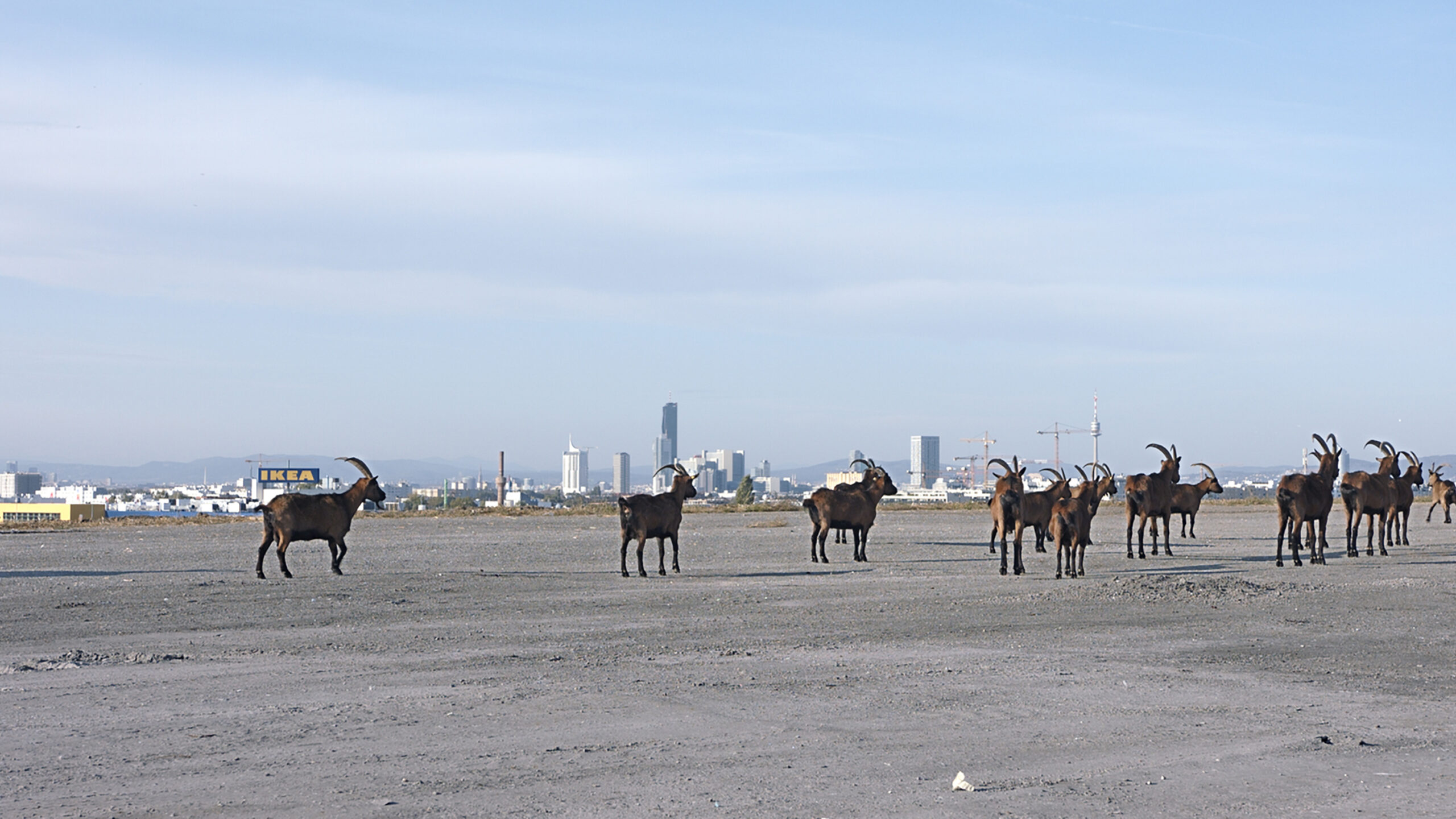
But Schmiderer is optimistic that we can make changes and make a difference, and his film wants to inspire confidence. “It must become self-evident once again, without any false pathos, that humans understand themselves as an intricately intertwined part of what is called nature, and not as superior adversaries or conquerors,” he explains. “We must finally learn to live not like plunderers, but in symbiotic coexistence.”
But the movie isn’t doom and gloom, even if the topic may make you expect so. “The focus isn’t on dystopian visions of the future – that would be too simplistic; there are already plenty of films about that – but rather on a new awareness and new, concrete possibilities that open up for humanity when interconnected life forms and forgotten alliances form the basis of our relationship with nature,” says Schmiderer. “Our film intends to be nothing more than a curious nod in this direction of potential realms, without fear-mongering or finger-wagging.”
In this context, it will not surprise you that the creative calls the doc “an attempt to explore the question: what can we learn from nature?” But he also shares: “Perhaps the film’s central message lies in the fact that the urgently needed mechanisms of collaboration have always been present in nature.”
That is mirrored by the sizable number of locations and experts showcased in Elements of(f) Balance that take audiences on a journey of discovery. “Our aim was to find a poetic, cinematic form,” the filmmaker tells THR. “Everything is connected to everything else, regardless of the dimension.” Instead of a linear narrative, the film is presented as a collection of individual ecological episodes that invites viewers to dive into locations and practices that they may not be familiar with.
From the initial idea to its completion, the doc was a five-year process because he wanted to take a closer and broader look at different phenomena and various parts of the globe, including Eastern Europe, Bangladesh, and China. “When it comes to climate change, a global perspective is essential,” Schmiderer highlights. “I believe that when you engage with this topic, you inevitably move from the microcosm to the macrocosm in order to compare the different aspects.”
The director found visiting China particularly fascinating. “Even though pollutant emissions in China are still extremely high, China is already a leader and will dominate the field of sustainability in the coming years,” Schmiderer says, pointing to a gigantic desert reforestation project, which has been underway since the late 1960s, and solar energy, including solar thermal power plants. “Observing the speed and scale with which sustainability is being pursued in China is truly impressive. China alone operates more sustainable solar energy facilities than the rest of the world combined.”
How was filming in China? “It requires a long preparation time, and obtaining the necessary filming permits for specific locations is not easy,” shares the director. “And, of course, specific regulations must be followed.”
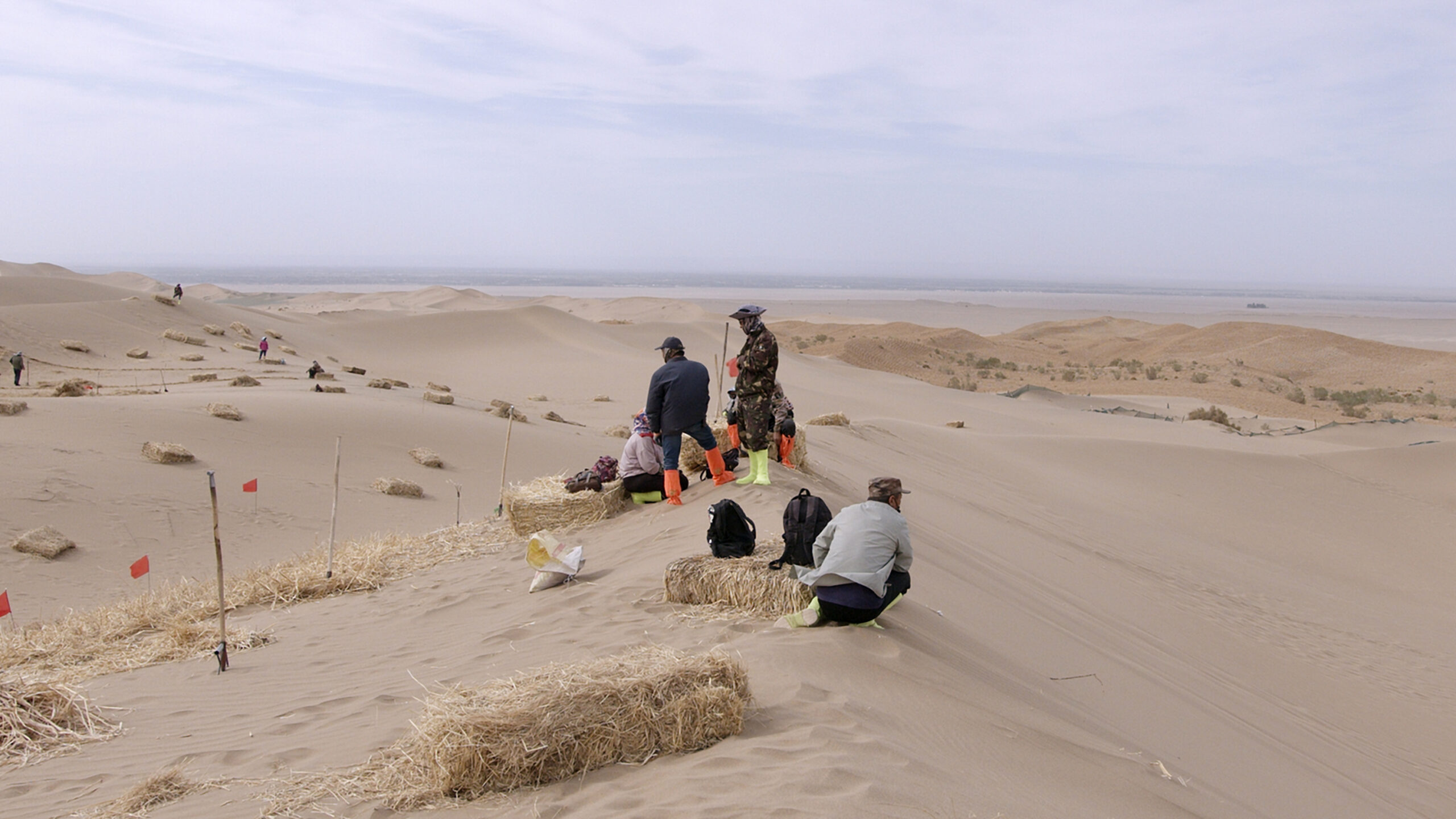
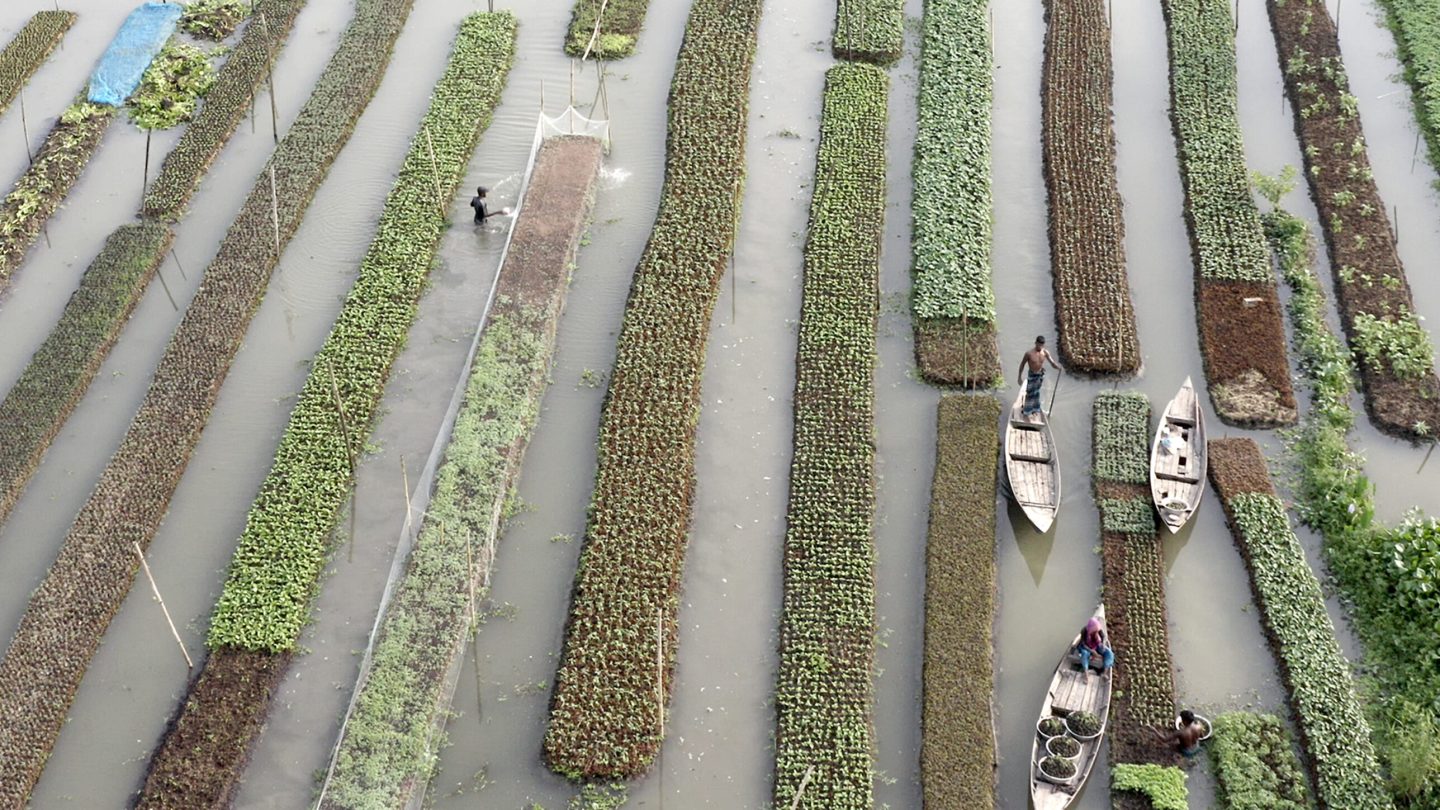
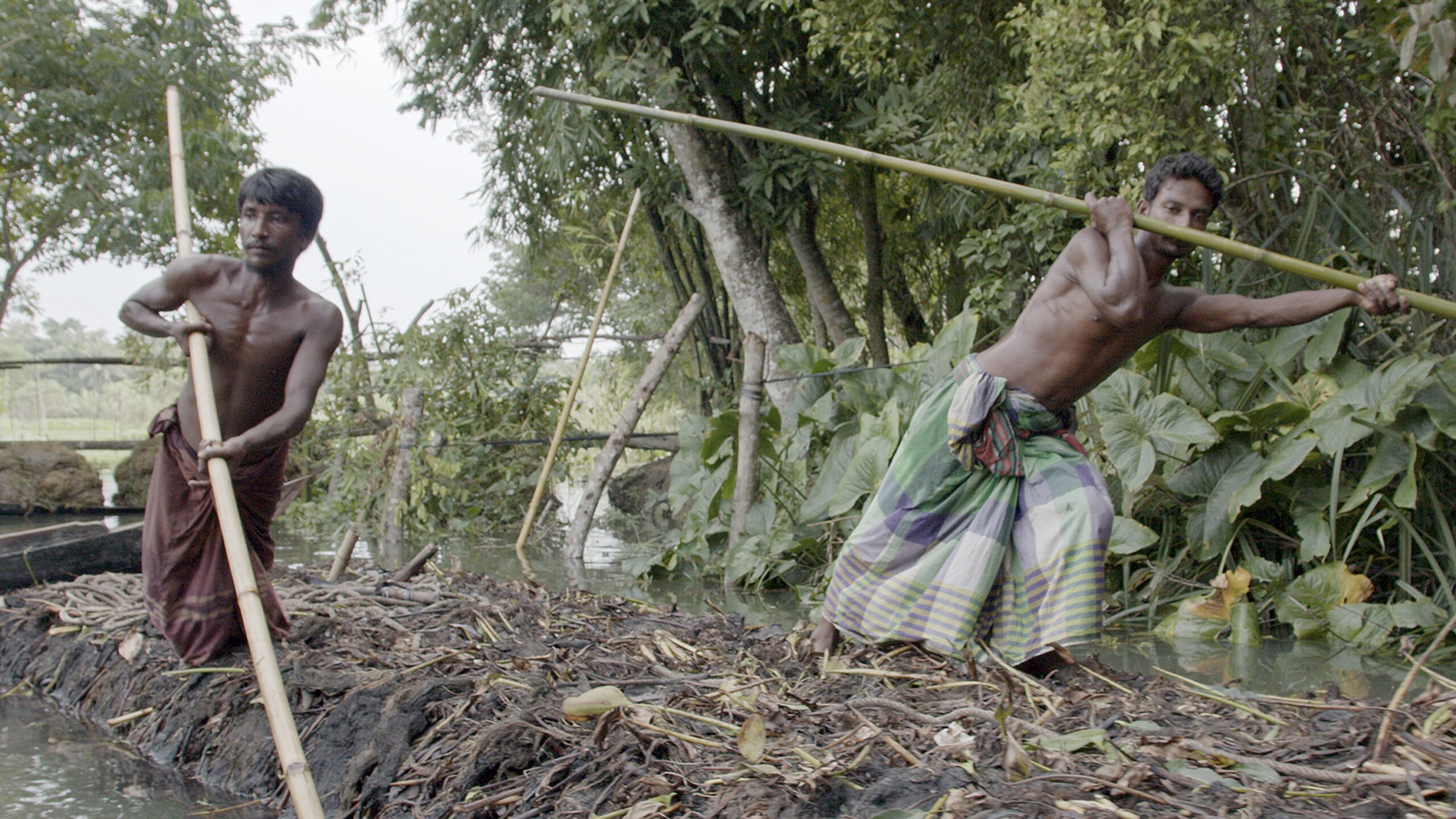
The film presents traditional farming methods combined with ancient knowledge, such as permaculture on a mountain farm in the Austrian Alps or floating farming in Bangladesh, along with state-of-the-art methods, such as those developed in the agricultural laboratories of Wageningen University in the Netherlands, which use artificial intelligence to develop cycle-oriented and bio-based processes – not only to combat climate change, but also to preserve and protect urgently needed biodiversity.
“When it comes to presentation, aesthetics and intuition play a major role in finding appropriate perspectives, allowing the images and a cinematic language to speak for themselves,” Schmiderer tells THR, highlighting the need to find “an organic rhythm.” He adds: “It was important for me to create a certain lightness, a space of resonance where sound, image, and nature intertwine. It’s a film for the cinema. It‘s a very dense but also meditative film that still allows you time to breathe.”
Actually, the filmmaker hopes viewers will “immerse themselves” in the spaces shown in the doc. Helping with that are the sound design by Andreas Hamza and the music, which comes courtesy of none other than guitarist Christian Fennesz, a key figure in Austrian electronic music.
Among the memorable things shown on screen that particularly jumped out for Schmiderer while making the doc are the floating farms in Bangladesh, an academic’s explanation for how and why jellyfish’s bodies have remained largely unchanged for over 500 million years (simple, effective structure has remained highly successful in their habitat), the rise of AI in the planning, growing and protection of crops, as well as the latest fascinating findings in fungal research. As the film shows, the world of mushrooms and mycelium is emerging as a blueprint for futuristic projects in architecture and sustainable fashion.
Elements of(f) Balance invites people interested in nature, sustainability and related topics, curious about science, or looking for a cinematic trip to seldom-visited places on Earth to explore new possibilities – and share rays of hope for the future.
The film wants to provide insights into “the truly fascinating ‘science’ and also the ‘fiction’ that has been playing out here on our planet for millennia between human and non-human actors,” Schmiderer tells THR. “It will likely take more than just a mental shift in thinking when we’re sawing off the branch we’re sitting on.” Concludes the filmmaker: “Our experience must also change, our perception must shift – from an environment that is perceived as something external to a shared inter-species ‘we-world’.”