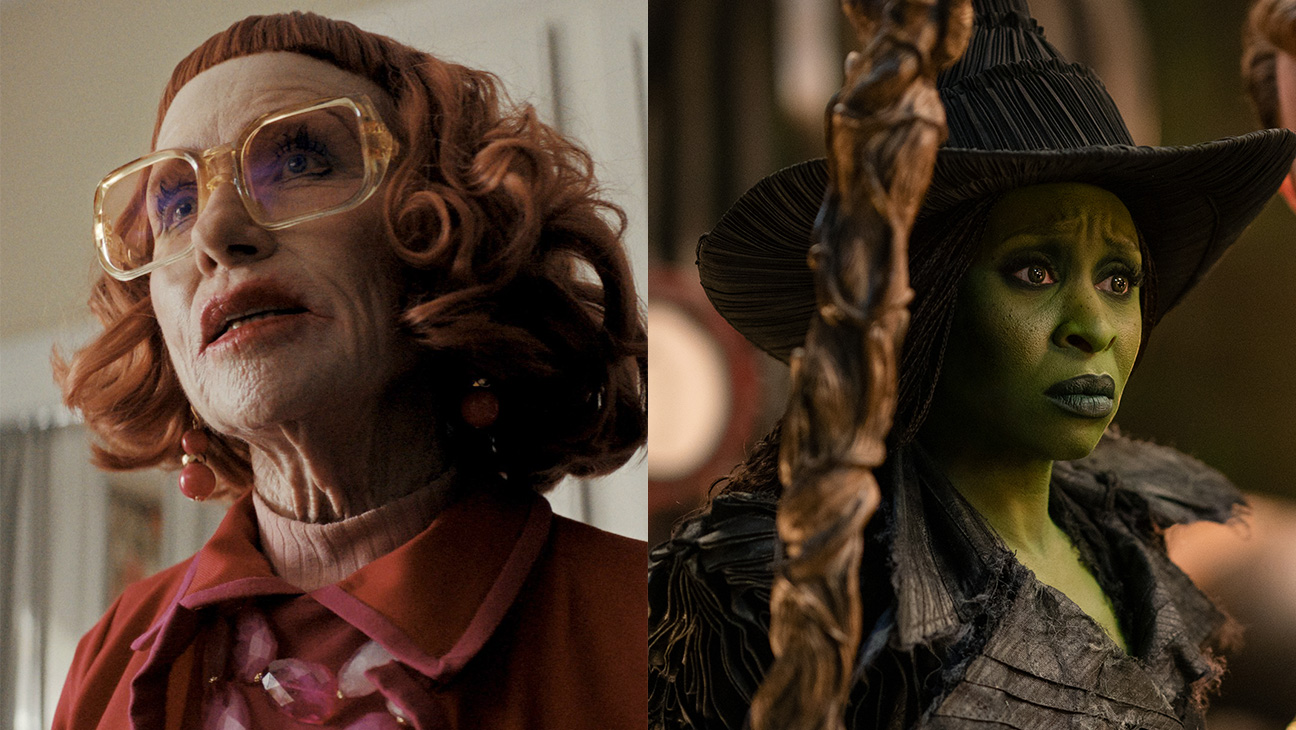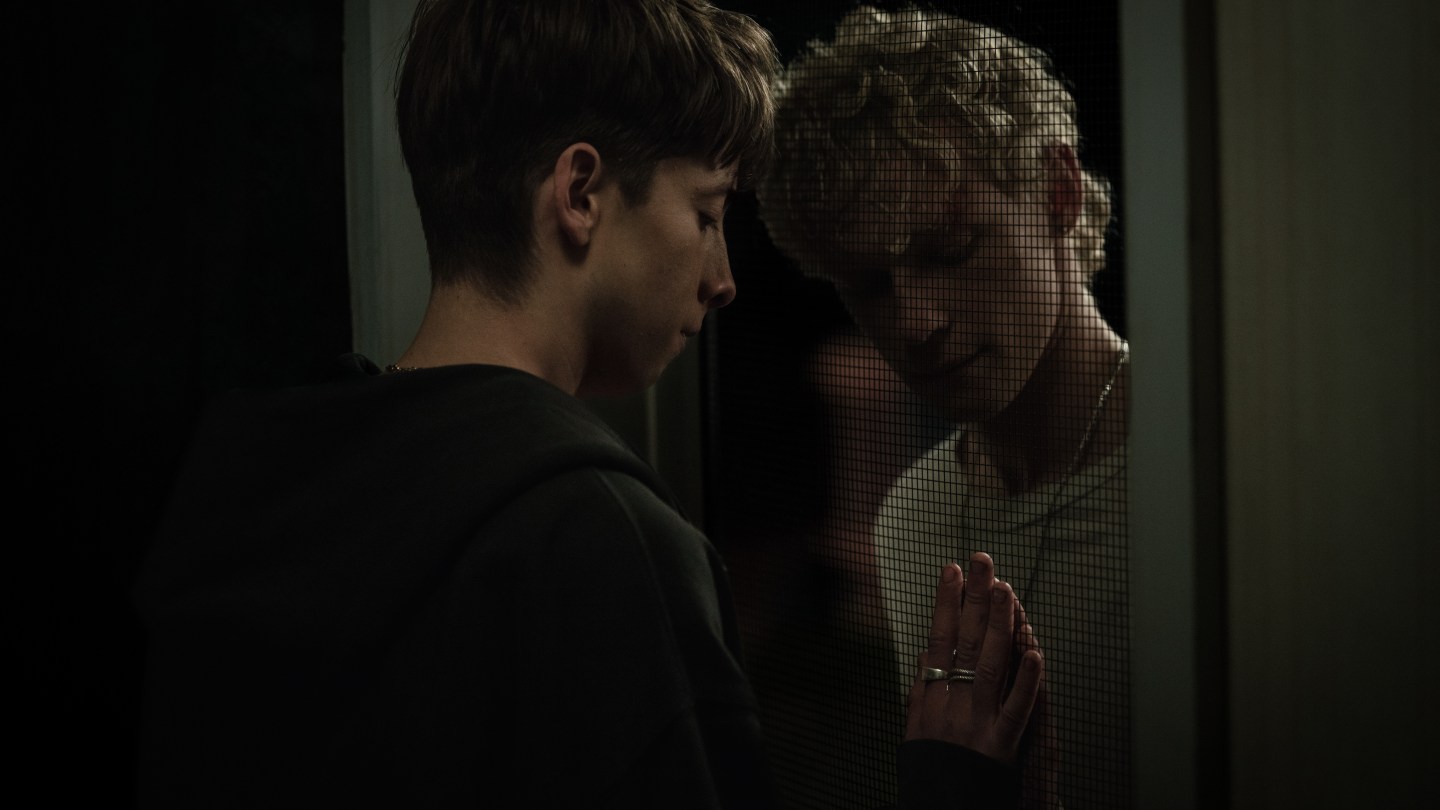
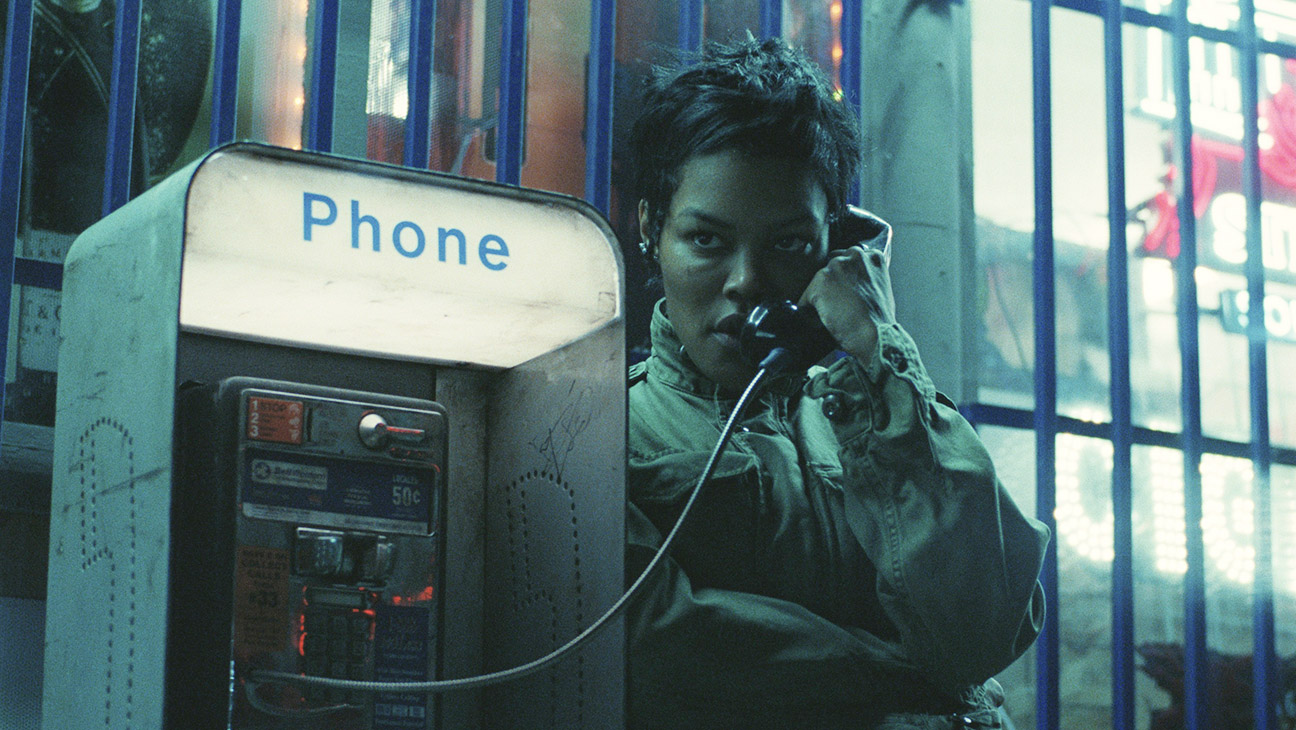
BAFTA CEO Jane Millichip is beaming about the breadth of storytelling evident in the British Academy’s newly-unveiled film awards nominations on Tuesday.
Things aren’t at all dissimilar from the Oscars nominations conversation last week, as One Battle After Another and Sinners also come head-to-head at the U.K.’s biggest night for film on Feb. 22 in London. Warner Bros. continues to see immense acclaim for both features, with Paul Thomas Anderson’s political thriller leading the BAFTA nominations (14), just ahead of Ryan Coogler’s deep South horror (13). Following closely behind them are Hamnet and Marty Supreme with 11 apiece.
Millichip, who took up the top BAFTA role in 2022, told The Hollywood Reporter that the overarching theme for the 2026 nominations is “bold, strong, uncompromising, unique storytelling.”
“There are films,” she continued, “particularly in the best film category, examining the fragility of activism, Black identity, corruption, and they’re all really unique takes on the subject. For Ryan Coogler to tackle a subject like that in a genre film that is so wildly entertaining… all credit to him and the team. It’s brilliant.”
“Then there are another group of films which are much more intimate and personal, again, with very different styles,” she added, before listing examples. “Hamnet, I Swear, Sentimental Value… I think it’s a year of really strong, bold flavors, stories told brilliantly.” Chloé Zhao’s Hamnet actually made BAFTA history on Tuesday by becoming the most-nominated film by a female director ever, picking up eight nods in total.
The Sam Mendes and Steven Spielberg-produced movie lines up alongside a host of smaller-budget flicks to have been recognized, including the likes of Harry Lighton’s Pillion and The Ballad of Wallis Island from Tim Key and Tom Basden. The BAFTA boss says the balance of British and international talent is pivotal.
“We’re not here to fix elections and tell people how to vote. That’s the first thing,” she said. “The next job we have is: ‘What do we control?’ We control our processes, and we have influence on the landscape. So concentrating on those two things, we’ve made a significant effort over the last few years to invite and encourage our members to watch as many films as possible, as wide a variety as possible, and films outside their normal sphere of preference — hence the introduction of the randomized viewing groups and the longlists.”
“We are also the British Academy of Film and Television Arts. We are here to absolutely support and promote the British pipeline. But that only works in the context of us being a relevant and a representative international awards body. So all of those things can be and need to be true at the same time. It is important that we are relevant internationally. It’s brilliant that we’ve got enormous support from the U.S. studios and enthusiasm about the awards, and we have great attendance from international guests.”
On whether BAFTA wants to lean into being awards season’s “number two,” as former host David Tennant called it, Millichip said: “BAFTA is BAFTA, and the Oscars are the Oscars.”
“We operate in the same ecosystem. We’re incredibly supportive of each other as academies, and both hold a really important place in the ecosystem, as do the [Golden] Globes, as do the [Actor’s] Awards. For instance, when the film awards [happen] on Feb. 22, it’s important and useful to note that Oscar voting is still open,” she said.
“Awards are not just about acknowledging great work and giving out awards,” she added. “It’s also platforming the storytelling, encouraging the public to get involved in storytelling. It’s about developing the pipeline, and it’s a really important part of what we do as a charity. That’s who we are and why we’re here.”