“Be careful with the doors you open,” writer-director Ique Langa from Mozambique tells THR about one of the key themes that he explores in his feature debut O profeta (The Prophet), which world premieres in the Tiger Competition lineup of the International Film Festival Rotterdam (IFFR) on Friday, Jan. 30.
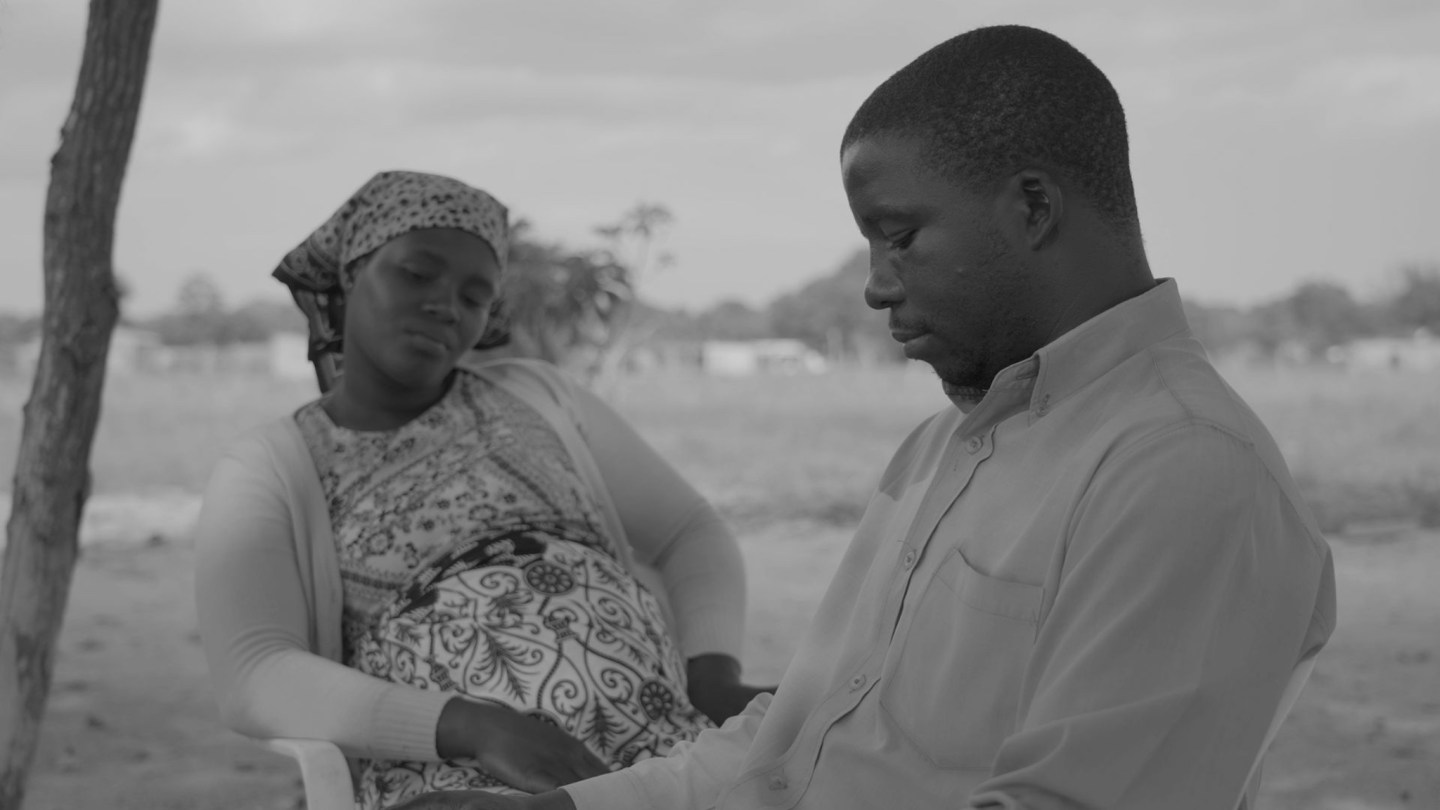
He created the striking black-and-white movie, which unfolds at a smoldering, meditative pace with some unusual camera angles, in a nine-year journey with a non-professional cast in Manjacaze, a small town in southern Mozambique.
The movie follows Pastor Hélder, who, as his faith wanes, turns to witchcraft and sacrifice to reclaim it. But can anyone really open Pandora’s Box without consequences?
The non-professional cast of the Portuguese-language film from producer Sousa Domingos includes Admiro De Laura Munguambe, Nora Matavel, Alexandre Masnado Coana, Venâncio Jaime Langa, Armando José Macave, and Yara Bonga.
Denilson Pombo handled cinematography, Sara Carneiro the editing, and Langa himself was responsible for the production design. Luminalia is handling sales.
Langa talked to THR about The Prophet, how transcendental filmmakers, Mozambican art and the inflation of pastors in the country inspired it, how he wrote and visualized the film in black and white, and what’s next for him.
“The story came from a very personal place,” the creative shared in an interview. “It takes place in a village where I spent a lot of my childhood; my dad was born there, so I used to go there a lot. And in recent years in Mozambique, there’s been a huge surge of these pastors, with a lot of rumors about them using alternative powers. There are all these churches that are coming out of nowhere with these pastors that are quote, unquote prophets.”
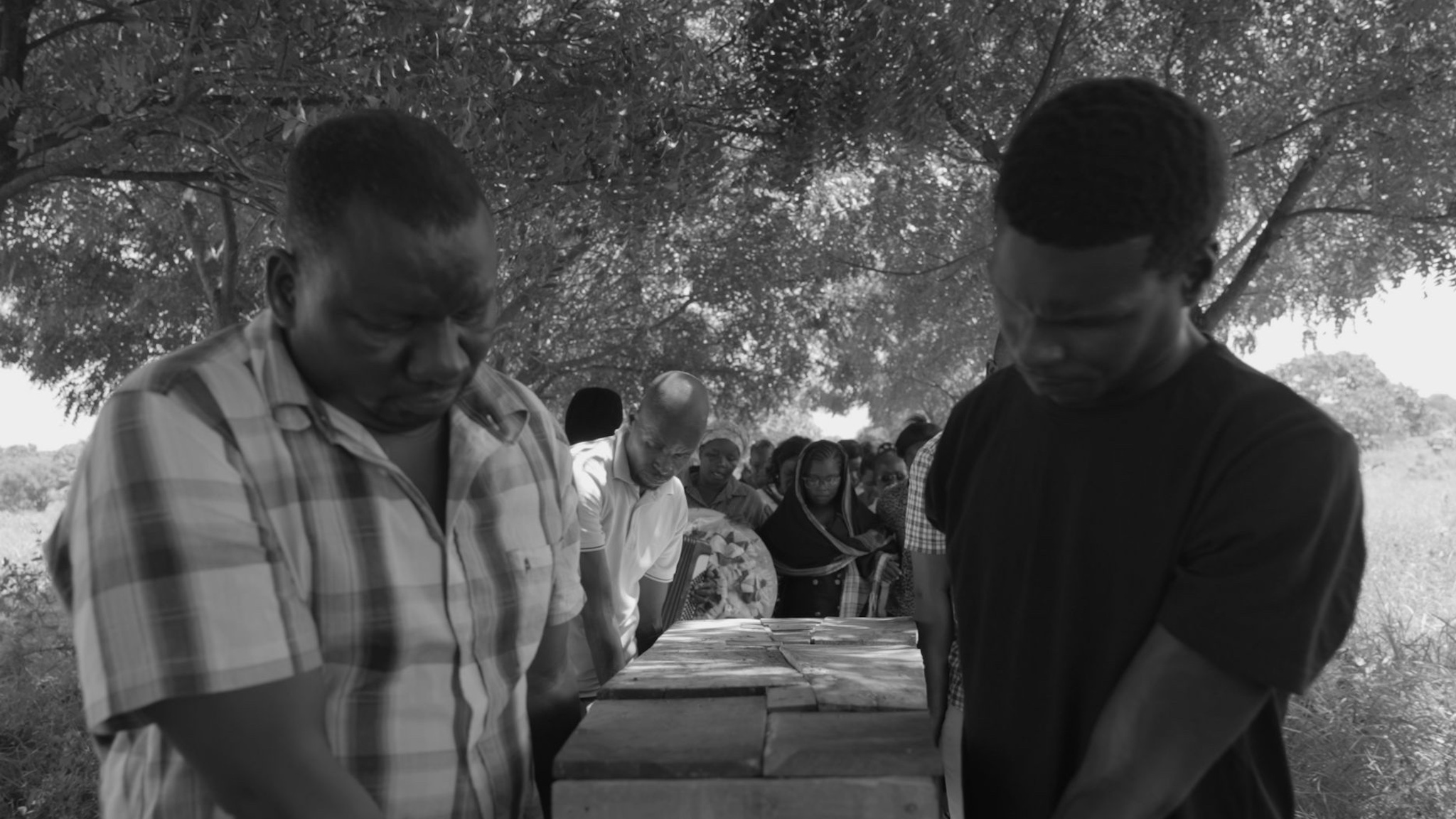
The filmmaker experienced this rapid increase himself during visits to the village. “I went to visit my aunt one time, and there was one church like that. When I went back two months later, there were three such churches,” he recalled. “And when I went six months later, and there were seven. And the village is so small that they are at a five-minute distance.”
The spiritual themes of The Prophet allowed Langa to work through his “own questions about faith, about God, about where I come from,” he shared. “So, the film became this metaphor of a pastor dealing with his faith. I started imagining, the same way that I sometimes have my struggles creatively and sometimes doubt myself, how it would be for a pastor who wants to grow his church in one way, and then sees someone with these shiny objects. Would he be tempted to go in that direction and also get shiny objects? And I thought even if someone is connected to a higher power, they’re not fully disconnected from their human desires. Even though he is coming from a good place, he struggles.”
In contrast, the pastor’s wife represents someone who is more grounded and satisfied with her place in the world. “She is a lot more connected to something profound,” Langa explained. “She sees his true nature and still connects him to his true nature.”
Burdens of the present and the past loom underneath the surface as the film unfolds without any hurry. As such, The Prophet also allowed its creator to explore the “traumas, as well as gifts from my lineage, and consider what I can contribute to society, and what happens to our ancestors after they pass away.” After all, in Mozambique, “we have a belief that once someone we love passes away, they become a spirit, and then eventually they become an ancestor. They go through their own journey,” Langa emphasized. “So the movie explores that, but also the existence of traditional beliefs alongside Christian beliefs, and how they almost become one and inhabit the same place. Even though the pastor is in a Christian setting, he is still affected by the desire for something supernatural and seeking that.”
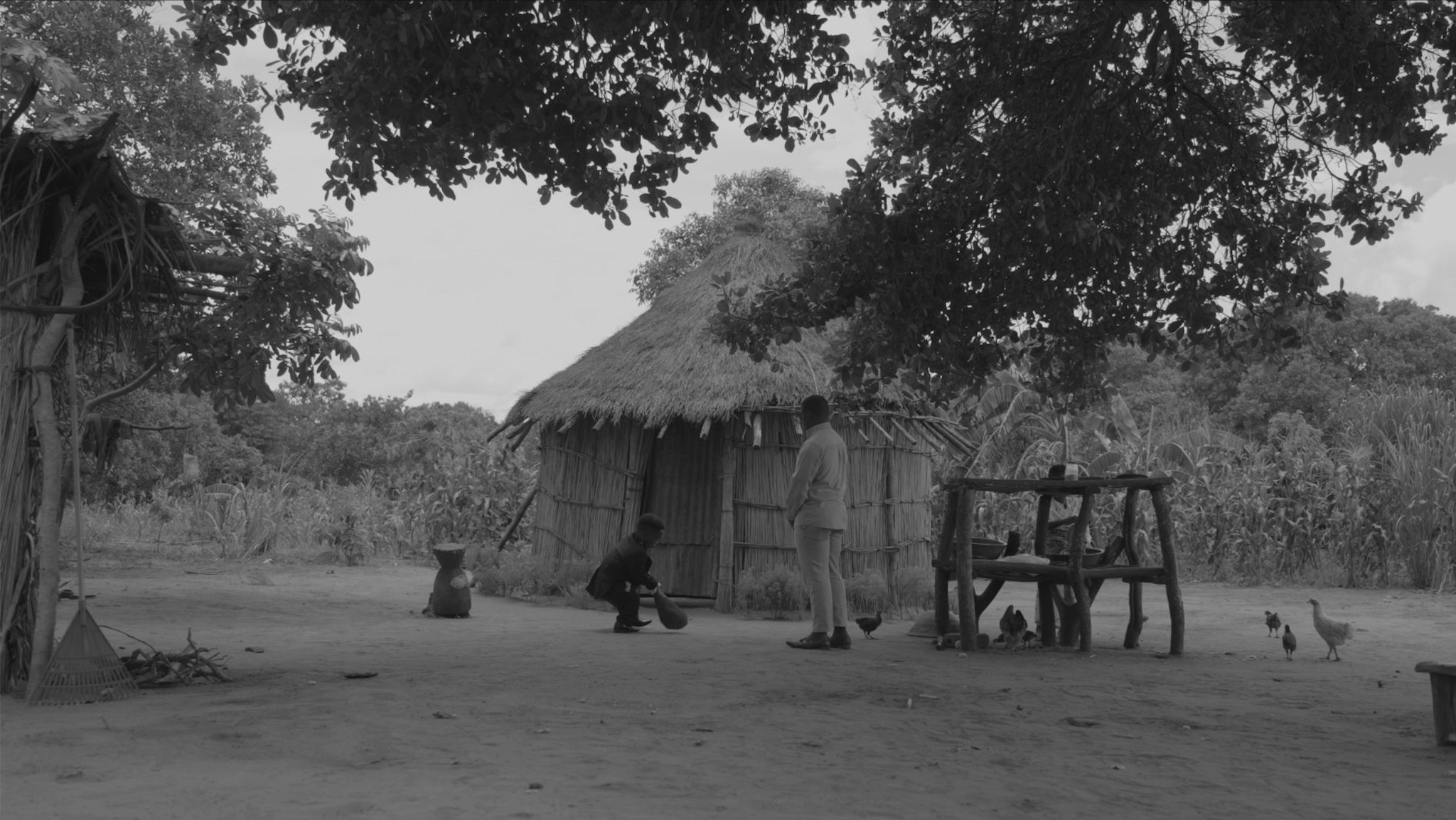
The film’s protagonist may be a pastor, but his journey will feel recognizable, even familiar, to audiences, given mankind’s search for more and better things. “He opens this door to get what he wants, but he doesn’t know what he is going to get in exchange,” highlighted the writer-director. “So, be careful with the doors you open, because you don’t know what’s in or behind them. It’s a very human thing. There’s always a door that we could open, and maybe there’s a bunch of rewards, but we don’t know what we’d be given in exchange. In the case of this movie, it’s a spiritual door.”
Langa’s choice to keep the film in black and white was clear to him early on in his creative journey. “When I started writing this film, I was telling my friends that I’m writing it in black and white,” he recalled. “Everyone would tell me, not just friends, but everyone: ‘You should do it in color.’ But when I tried imagining it in color, it just never came out. So, I just decided to write and imagine the whole movie in black and white. That’s what my heart wanted it to be.”
As his cinematic influences, he mentioned such transcendental cinema legends as Robert Bresson, Yasujirō Ozu, and Carl Dreyer, pointing to his love for using “silence and pause” to make viewers think and imagine what may come or happen next. He also cited inspirations from Mozambican art, such as the country’s famous painter Malangatana Ngwenya, that made their way into the film. “We found [the aesthetic] as a collective,” he told THR.
As a matter of fact, he didn’t see his role as an auteur pushing through his vision, given that it was an independent production and he worked with non-professional actors steeped in local experiences and traditions. “This movie was all done with non-actors. Nobody’s a professional,” Langa highlighted. “Once I was in the village and started casting, I realized this film had to be made by the community. Everyone there was from this community, except for three people from Maputo. So, everyone brought a little bit of their own experiences to their performances.”
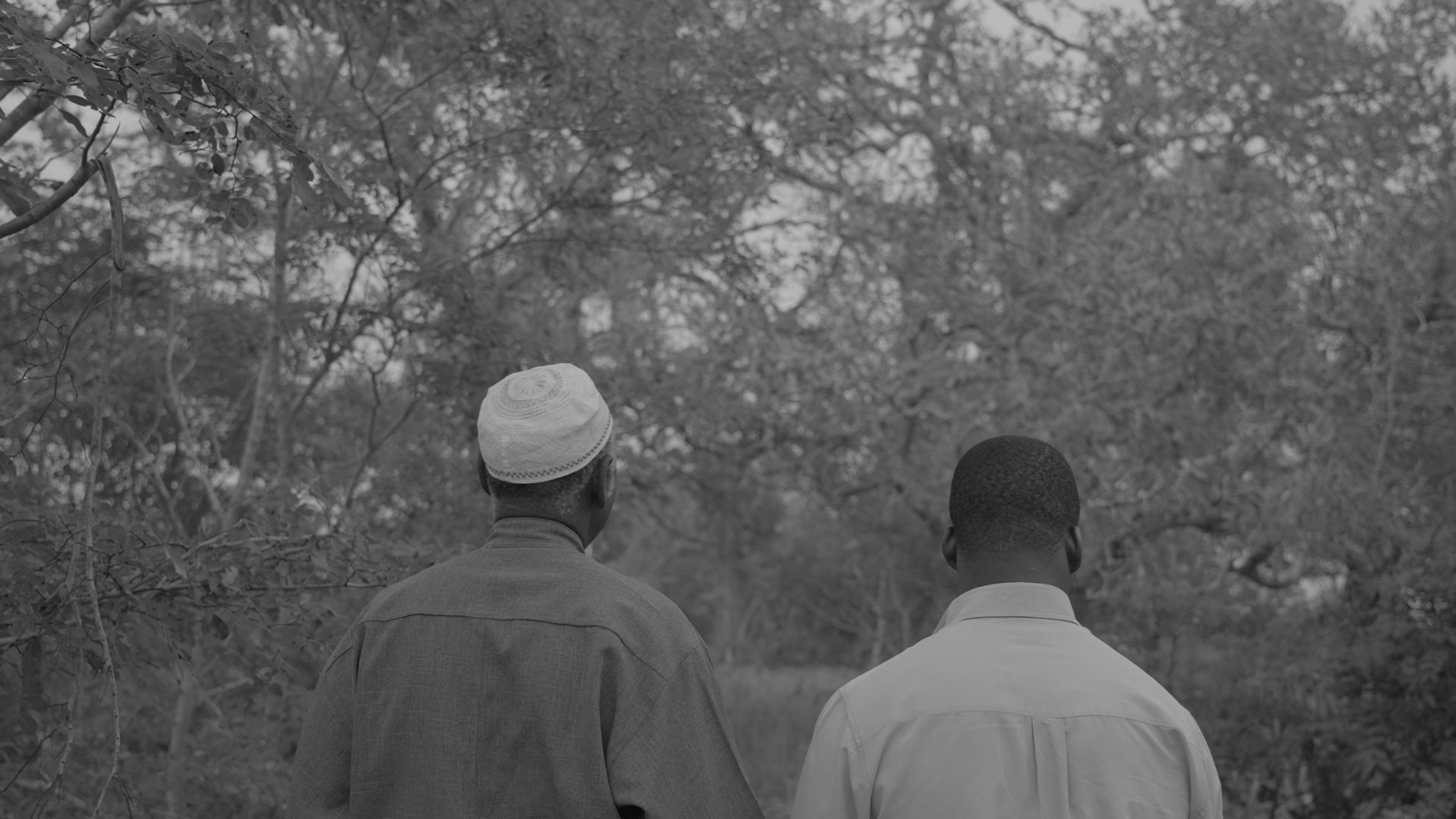
Over the lengthy production process, two actors died, namely an uncle of the filmmaker and a store owner. “I think those experiences affected some of the energy of the story as well, because we integrated them into the film, in a sense, almost honoring these people.”
Langa is happy to now finally get to present O profeta to the world. “It’s been a long, long journey of nine years,” he told THR. “When we started making this film, we just wanted to make a movie and be able to say we completed it. And it was a story that mattered to us. But now it is very exciting to premiere it in Rotterdam.”
And Langa is ready to bring us more cinematic stories. “I’ve started writing a new film, and it’s coming along very well. I have a first draft already, which I’m quite excited about, and it’s been part of a few labs and just won a prize at the Atlas Workshops” at the Marrakech Film Festival, he shared with THR. “The movie is called Chapa 100, and it’s a fictional story inspired by the city where I grew up and lived my whole life, which is the capital, Maputo, and its people.”
Langa concluded by sharing this about his second feature about aging street vendors: “It’s the story of an older couple that meets later in life. And something magical happens.”