The samizdat spirit from the days of the Soviet Union, which kept dissident voices in underground circulation, carries on today as material critical of Vladimir Putin’s contemporary dictatorship steadily makes its way to the world. Internationally, films made in and about Ukraine are understandably more in the forefront as the war with Russia rages on. But several outstanding recent documentaries such as Navalny and My Undesirable Friends: Part I — Last Air in Moscow prove resistance is far from dead back in Mother Russia.
Indeed, some may feel puzzled as to why that latter title wasn’t nominated for the best documentary feature Oscar this year. Perhaps its five-hour running time discouraged Academy viewers, despite its impressive haul of prizes from other bodies. But at least the touching, intimate chronicle Mr. Nobody Against Putin will fly the flag for Russian dissent in that category.
Mr. Nobody Against Putin
A small but moving act of resistance in itself.
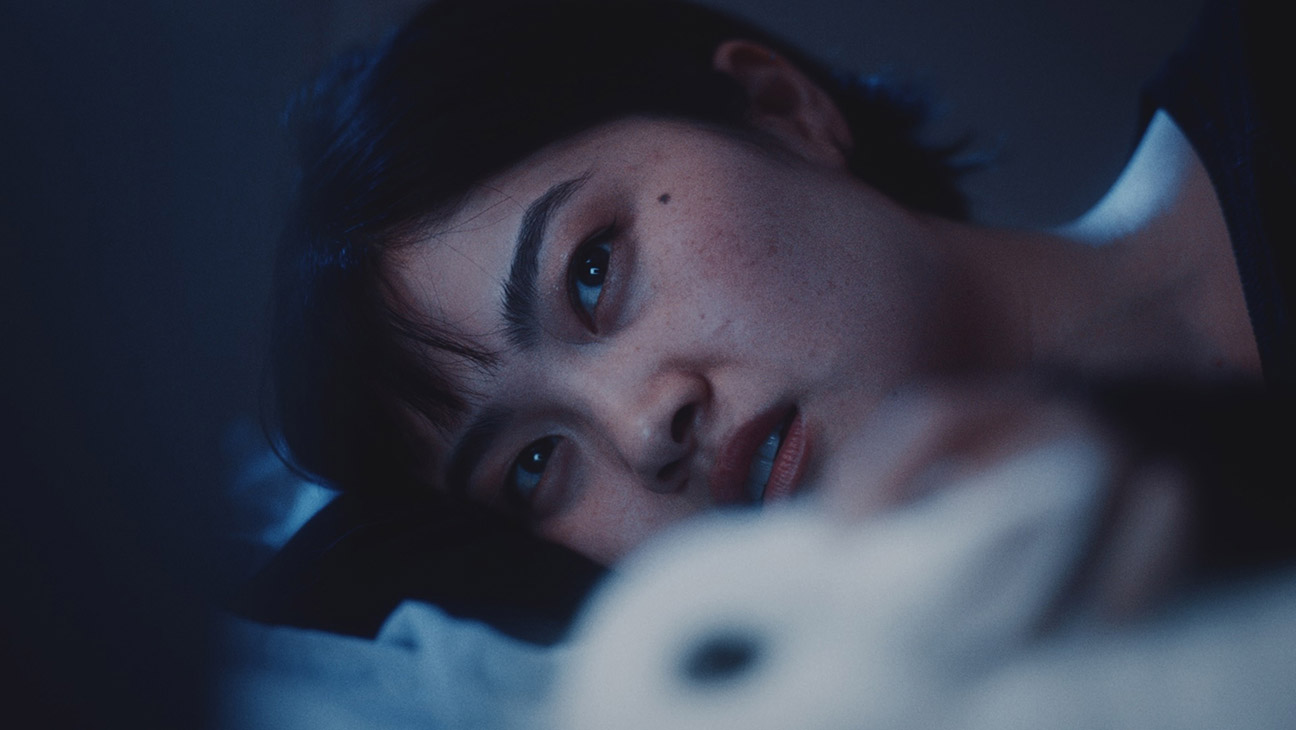
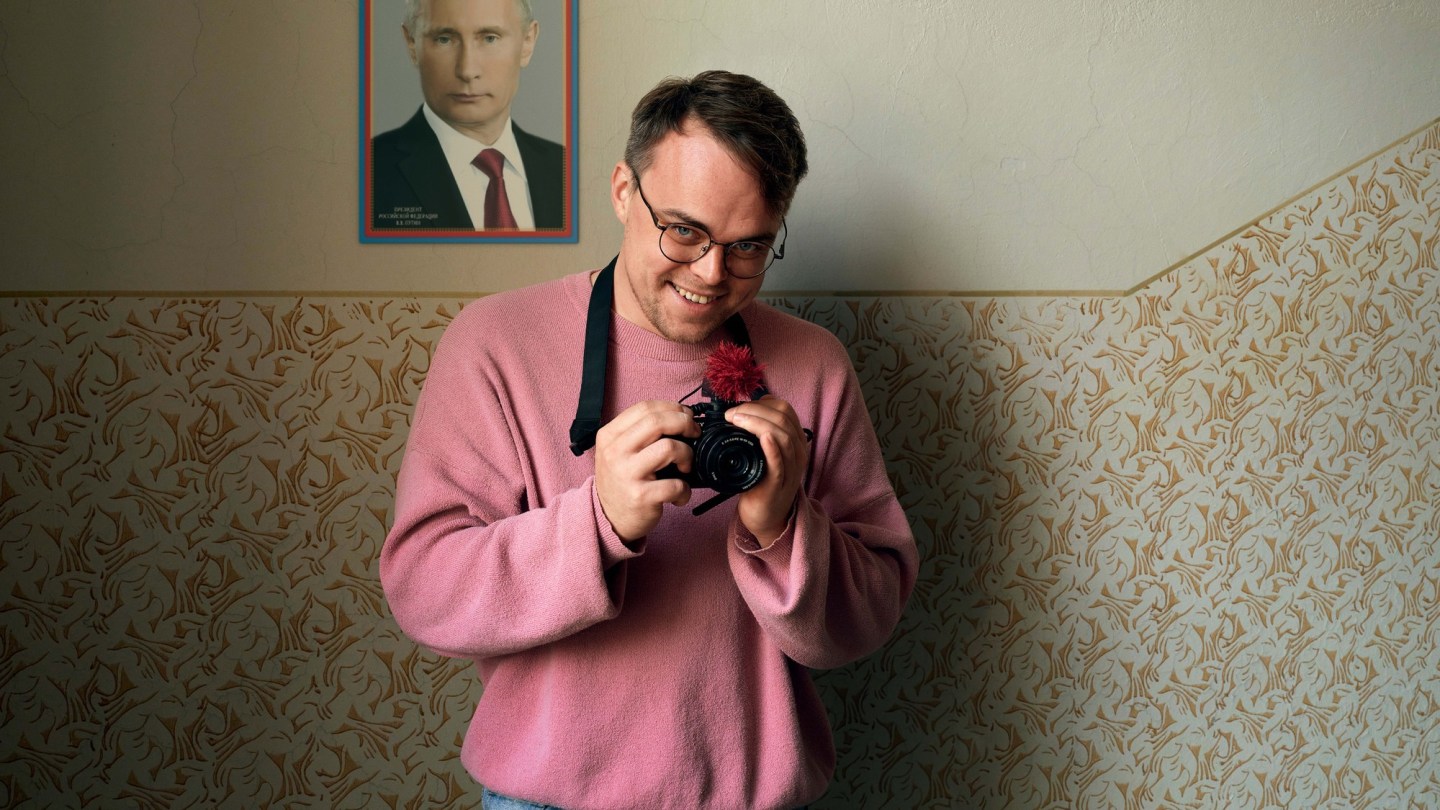
It is in almost every way a more modest, soft-spoken film about primary-school events coordinator Pasha Talankin, who decides to smuggle footage shot as part of his daily workload via an encoded web application to Copenhagen-based filmmaker David Borenstein, who takes the director credit here, with Talankin listed as co-director and cinematographer. Pasha’s recordings show how Putin’s propaganda machine is blasting the brains of even the youngest kids, penetrating every school in Russia, including those in Pasha’s hometown Karabash — notoriously one of the most polluted and depressing places in the world — all while the death toll rises for the town’s students, brothers and fathers.
Without being overdramatic about it, Pasha notes how the penalty for what he’s up to if he’s caught could result in a long prison sentence, up to 25 years. (The film’s press notes explain that the filmmakers were careful to ensure Pasha is the only one in the film who says anything negative about the regime, in order to protect those still living in Russia.) As the film draws to a close, Pasha reflects on his love for Karabash’s near-unbreathable air, fragrant with the noxious odors of the local copper smelting plant; he would still miss this place deeply if he made the decision to leave it, his grumpy pro-regime librarian mother, and his sweet dog Dakota behind.
His final decision won’t surprise many viewers, but there’s plenty here that nevertheless packs an unexpected punch. For starters, there’s the poignancy of watching the local teens age before our eyes as they hang out in Pasha’s office over the years, enjoying a tiny bit of free-thinking while it lasts in a room decorated with pictures of Emma Watson as Hermione Granger, mildly satirical comic strips, and the Russian flags, missing the typical red stripe, that denote anti-war sentiment.
One adolescent, Masha, never says a word against the regime, but you can see her soul being snuffed out bit by bit once her brother gets sent to the front. Littler kids in outfits that intentionally recall the Young Pioneers of the Soviet era, recite back the sinister nationalistic nonsense that’s being pumped into them by educators like history teacher Pavel Abdulmanov. He’s a stooped, creepy-looking character who lists Lavrentiy Beria, the torture-happy chief of Stalin’s secret police for years, as one of the fascinating characters he’d most like to meet from the past. Naturally, Abdulmanov, and not Pasha, gets “voted” teacher of the year, in an election one suspects may have been rigged.
Borenstein and Talankin keep the focus mainly on the kids and the slow creep of authoritarianism, rather than the adults, but Pasha’s voiceover and occasional address to camera hint at qualities the filmmakers seem hesitant to discuss. For example, shots of him wearing flamboyant outfits as a youth while lamenting that he never felt like he fit into Karabash culture even as a child hint at a possible gay identity, which goes unaddressed.
Technically as well, the film keeps it all very simple, with a straightforward approach to editing, a light sprinkling of electronic music to nudge the mood along, and very sparing use of slow motion and other post-production effects to add a bit of sparkle. In a way, it feels more of a piece with much of the documentary output from Denmark, cleanly assembled, empathic and very story-focused. There’s none of the funky, freaky flights of fancy that make the work of so many Russian documentary-makers (Viktor Kossakovsky, for example, or Vitaly Mansky back in the day) so innovative and fresh. Putinism has been anathema to creative expression in the last few years, a toxin nearly as deadly as copper-smelting plant fumes.