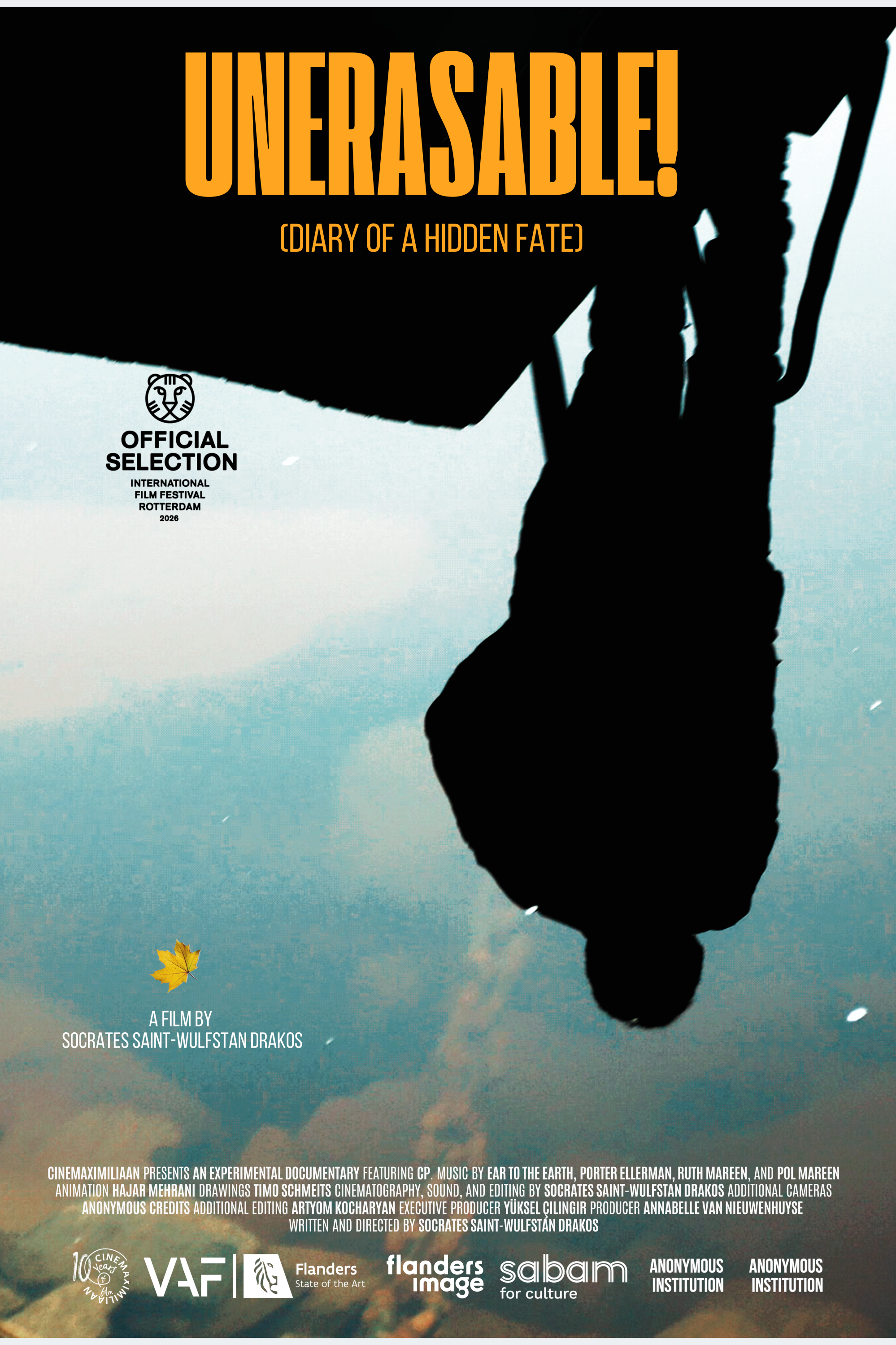
The International Film Festival Rotterdam (IFFR) and its CineMart market have established themselves as a safe haven for displaced filmmakers and alternative cinematic voices. One case in point is this year’s Tiger Competition film Unerasable! by Socrates Saint-Wulfstan Drakos.
No, that’s not the creator’s real name, but it may well be one of the most memorable pseudonyms you’ll ever come across. Those who watch Unerasable! will fully understand why the filmmaker needs an alias.
“Politics meets personal survival, in this urgent, courageous and poetic bricolage diary that traces an exiled filmmaker’s escape from violent repression to the West via Thailand,” notes the IFFR website. And it describes the movie as “a film shaped by pure heart and true dedication” and “a politically outspoken work, one that confronts both the limits of civil liberties in an authoritarian Southeast Asian regime and the inner colonialism of a very neoliberal European country.”
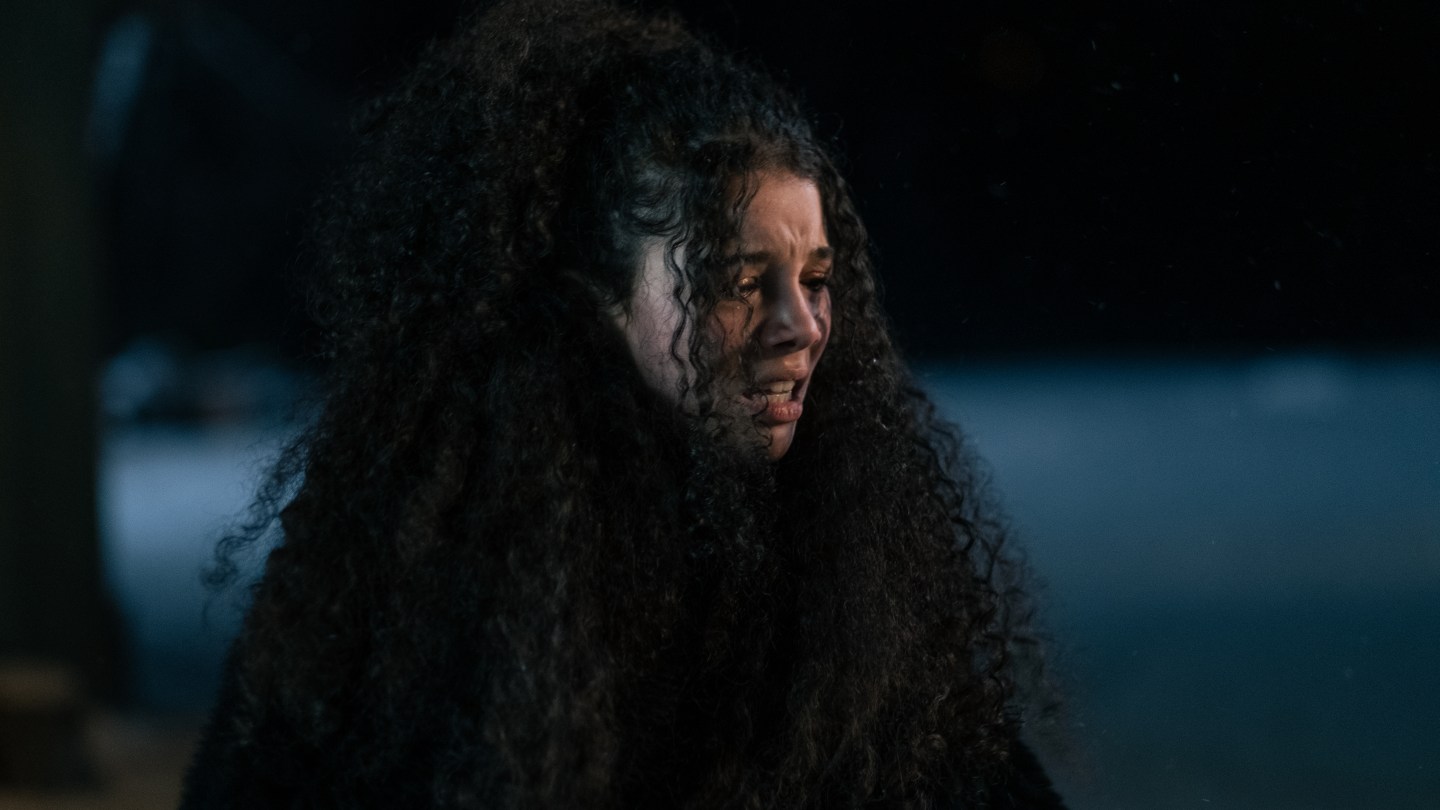
Unerasable! tells the story of CP, an independent filmmaker who was tortured for participating in a pro-democracy movement in his Southeast Asian home, fled in 2018, and relocated to Thailand, undocumented. After five years, he left for the West in hopes of finding a dignified life, only to get caught up in another struggle, this time with bureaucracy.
THR met Drakos to discuss Unerasable! and the journey of the filmmaker behind the camera and the filmmaker in front of the camera, always carefully protected from being identified. To keep both out of harm’s way, certain identifiers and details that could put them at risk are not mentioned here.
What can you share about the genesis of Unerasable! and how you know CP?
The protagonist of this film, CP, and I knew each other 10 years ago. We had a friendship, and we used to be young newbies in film. We knew each other well. Suddenly, in 2018, he disappeared and did not get in touch with me anymore, and he did not get in touch with anyone among our filmmaking community. He disappeared for several years. But then, in 2022, he got in touch to say, “Hey, I would like you to help me with a film project. Can you come to Thailand?” And when I did, he shared his entire story.
What did you find out and what was your reaction?
I felt like my heart was broken. And especially when I heard that he was tortured, I felt breathless. And I reflected and realized that a part of his life was erased from the collective memory of the filmmaking community and of the people he knew. I realized that a human life was erased from the collective consciousness.
And you wanted to make a film about that…
I grabbed my camera, and I just followed him. I did not say, “I want to make a film.” I wanted to create something and return something that was erased, at least to him, some documentation that is a part of his own memory and not known by other people. And for me, that is heartbreaking that a human life is simply vanished like that.
Where did you shoot the footage for the film?
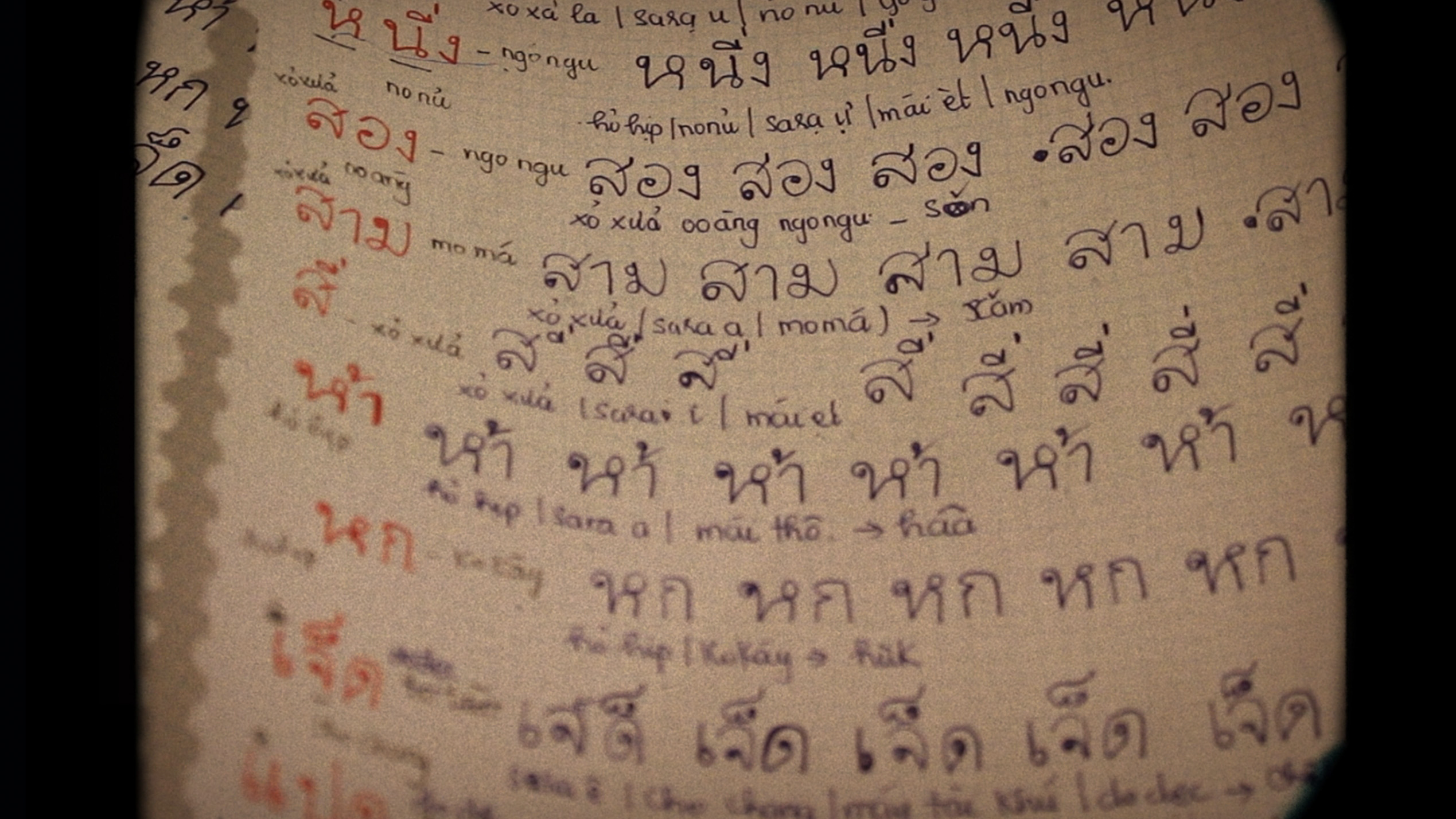
I went to Thailand twice, and then I came to Sweden, also twice. And I also shot back home. So, there has been a lot of back and forth.
For people who haven’t seen Unerasable! yet, how would you describe the film, its tone and its aesthetics?
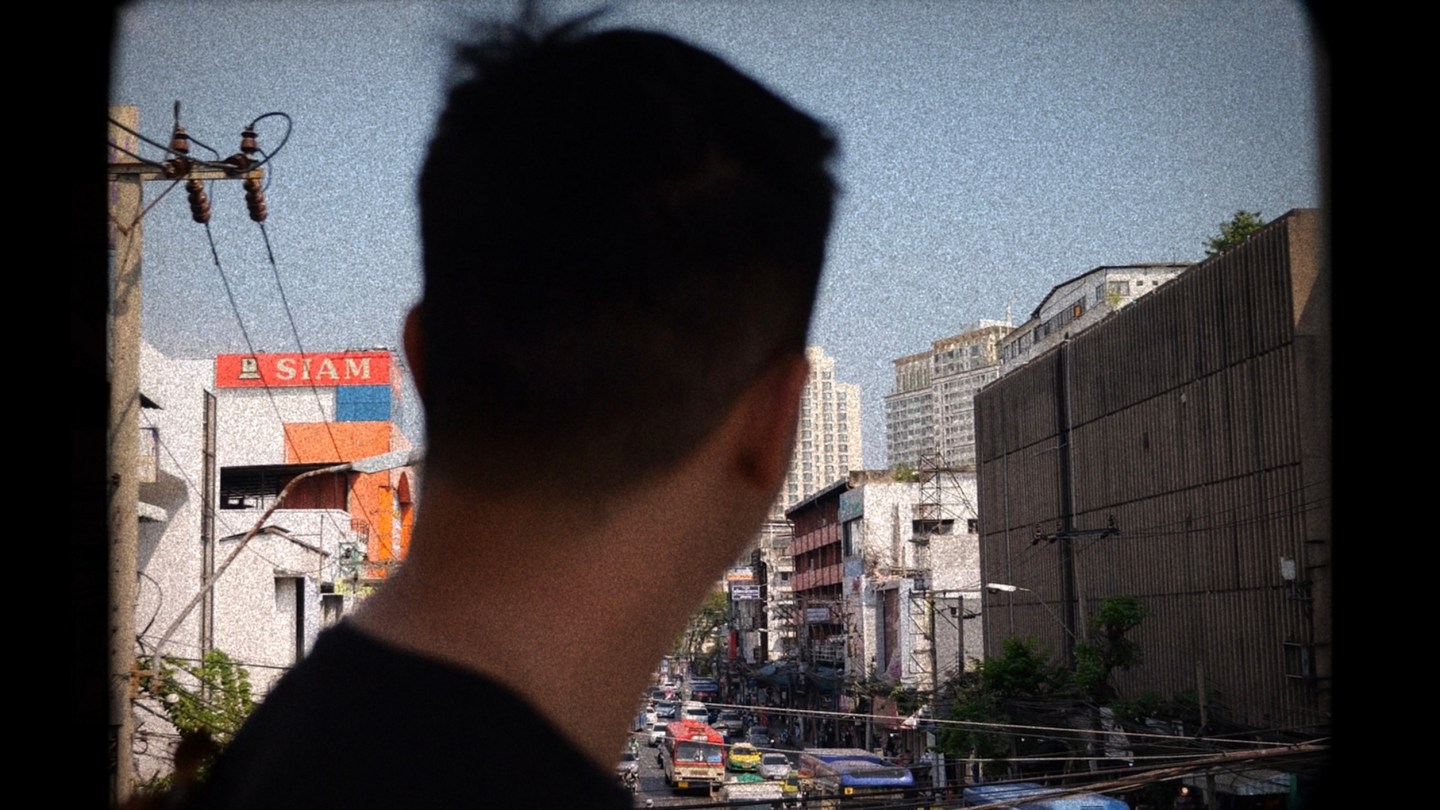
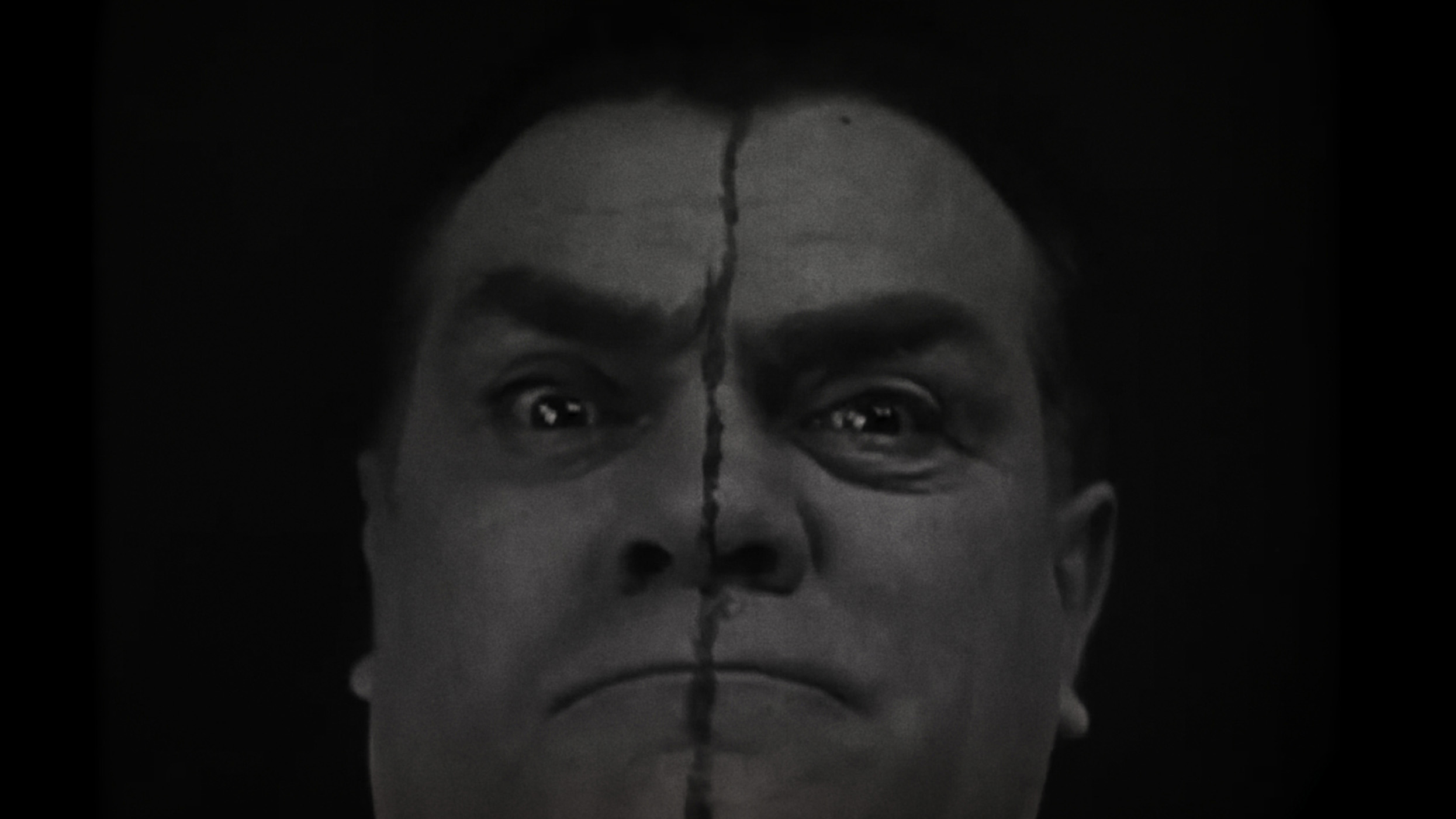
It’s not a documentary that tries to be provocative or confrontational. This film is more a diary and also uses found footage. The choice of found footage is related to the theme of returning memory, because this film is about memory. Parts of the film are made from footage that has been recycled from the vast history of cinema. This film is about us, and also about censorship, so the experimental layers also try to talk to this sense of rupture. The canvas of the film is very ruptured, very fragmented.
You cannot see it as a very clear picture. It is a picture that has a lot of holes, a lot of here and there. Trying to trace back memory in a land of censorship can sometimes be like walking on earth with mines underneath. There are also a lot of fragments in this film from other movies or from the history of cinema, including from the colonial archive. By putting them together, I would like the film to be a site of exile, of refuge, and also of resistance from the bottom of the ocean of images.
This film is also the first time I have worked with musicians. I’m very lucky to have found this group called Ear to the Earth. They make experimental classical music, which fits with my experimental approach. We were a very good team and really matched. I explained to them what kind of emotion I would like for a sequence, and they would create something.
How would you describe your hope for the film?
I hope for CP to get over this situation. Maybe when the film is out, he will feel better, and he can move on better with his life. And I really hope that the film can travel at least the film festival circuit.
Has CP seen Unerasable! yet?
Yes, CP watched Unerasable! for the first time at the world premiere here at IFFR on Feb. 4. On stage during the Q&A, he told the audience that he cried three times while watching the film. And he also cried on stage when he said those words. It was a very emotional Q&A when the audience, the film crew and the programmer witnessed those moments. Later, he told me that he cried during the scene [in the film] about his mother and his family, at the scene about the female friend writer that he considered as his own sister. And lastly, he cried about the last sequence of the film: the chapter of his life in Sweden. He says that I touched an exact, deep, private corner in his heart. His solitude is something he has struggled to cope with recently, but he can’t really put that into proper words to anyone. When he watched those scenes, he felt it was someone telling exactly what he wanted to tell the world.
Sincerely, I was taken by surprise that the film had such an extent of an emotional impact on CP.
How did you end up finding your Socrates moniker?
I went to a website to look at a list of names that are the very least known. Saint-Wulfstan is a very rare surname. So, I chose it. But then Socrates and Drakos are Greek names because I used to like Greek mythology when I was a kid and read Greek mythology a lot. And I liked Socrates because he is a philosopher who died for speaking the truth.