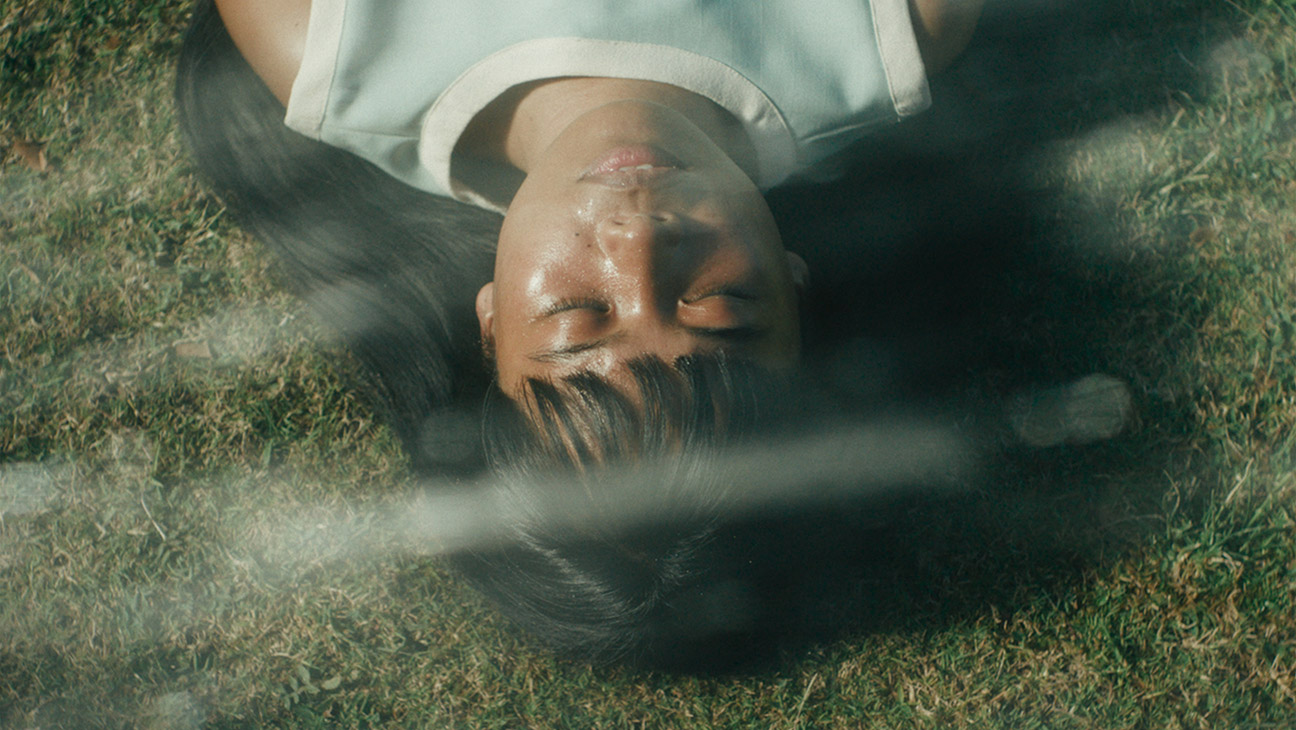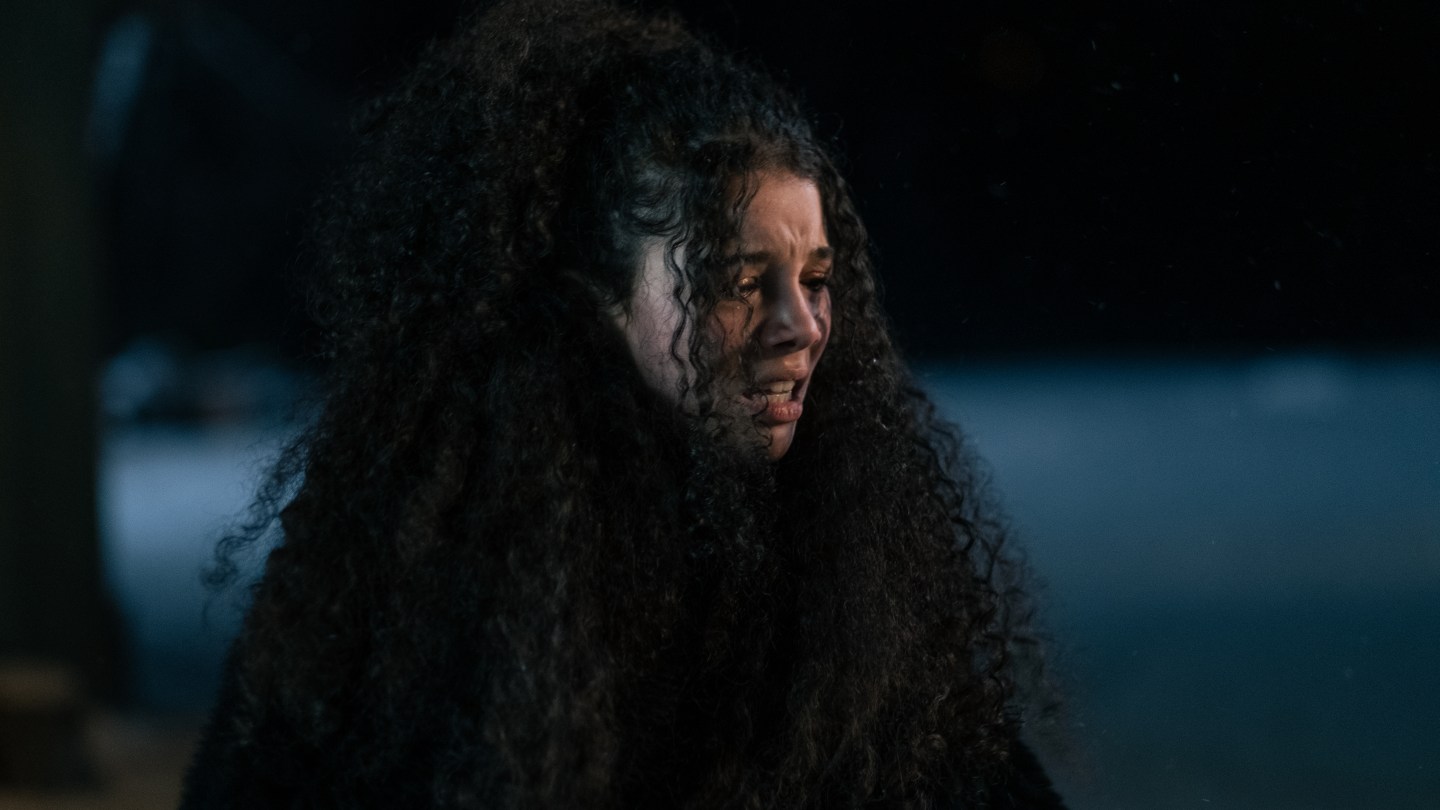

Rafael Manuel’s Filipiñana opens with a provocation coyly disguised as serenity. The film’s early images — lush fairways, orderly golf course rituals, bodies moving through a dewy, manicured world of leisure — project an intoxicating, utopian calm. But the longer one dwells in Manuel’s debut feature, the clearer it becomes that this ASMR-inducing landscape of shimmering tranquility is built upon brutality.
Making its European premiere at the Berlin International Film Festival this week, where political gestures are de rigueur, Filipiñana makes its bold statement subtly, with steadily accumulating formalist assurance, leveraging framing, sound design, a vivid color palette and some Busby Berkeley-esque choreography to create an unnerving sense of stasis that slowly reveals itself as complicity.
Set almost entirely on a posh country club outside Manila, Filipiñana follows Isabel, a 17-year-old “tee girl” newly arrived from the rural north, whose job — a real one in the Philippines — is to sit at the feet of wealthy men all day and place golf balls between their legs as they practice their swings on the range. New to the job, she wanders the immaculate grounds observing its exotic luxuries and members, including an industrialist and his expatriate niece, the club president and his pampered wife, and a slew of Chinese tourists, all engaging in a complex dance with the club’s subservient staff. But something is rotting beneath these pristine fairways, as Isabel discovers when she tries to return a mislaid golf club to its gallant, patriarchal director, Dr. Palanca. Manuel gradually turns this doting errand into a descent, leading Isabel deeper into the club’s hidden chambers and, in parallel, into both the Philippines’ dark past and the personal memories she has long suppressed.
Manuel traces the origins of the project to a single image that lodged itself in his mind years before the feature took shape. While still in film school, he became fixated on the world of Philippine golf courses — spaces he describes as both “absurd” (among their other excesses, they often sit in drought-afflicted regions) and uniquely revealing of the country’s brutal power structures.
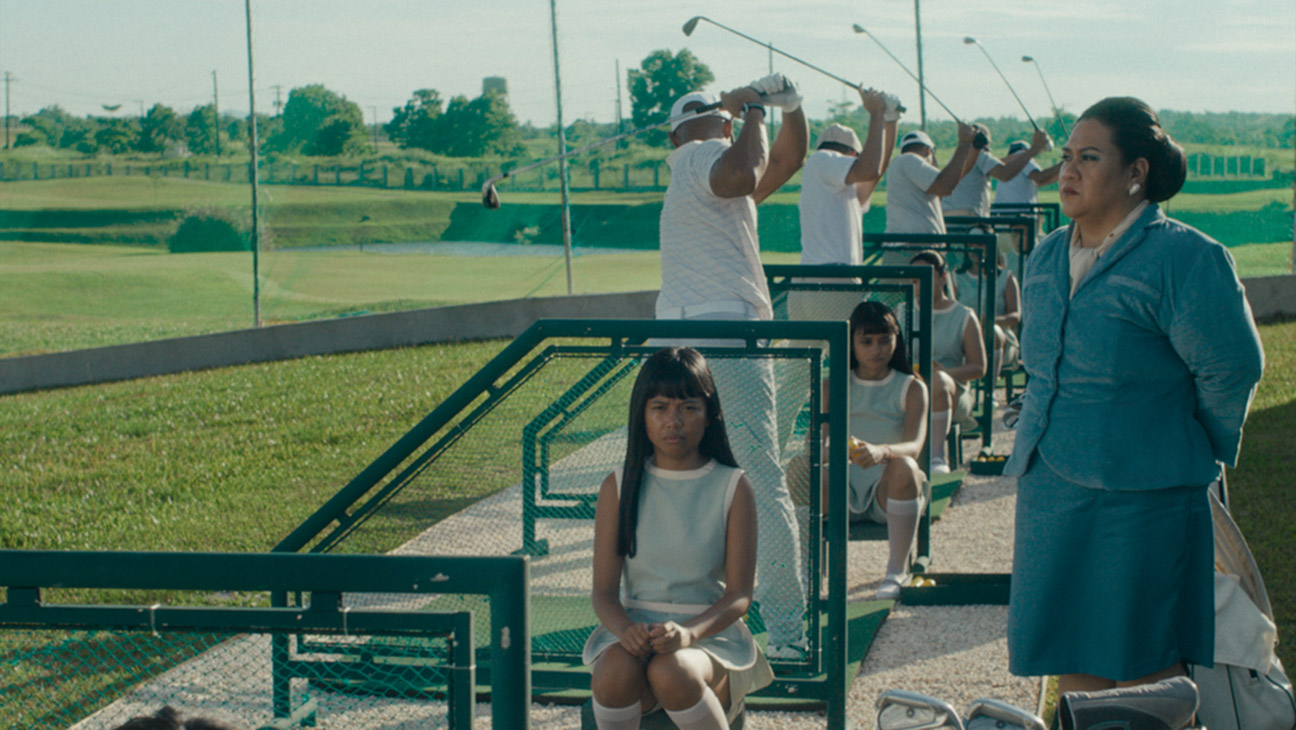
“The whole genesis of the project was this image of Isabel, the tee girl, serving golf balls in between the legs of a golfer,” he recalls. “Just that image alone kind of illustrated all the power relations that I felt were very inherent in these spaces.”
Golf courses, he argues, are historically charged terrains rather than feel-good sporting playgrounds. In the Philippines, the game arrived with the colonialist American military presence, and when the bases emptied, control of the enclaves passed seamlessly to the ruling local elite.
“They’re very rich spaces to explore the many problems that plague my country, rooted in very imbalanced social structures,” he says.
Manuel embedded these imbalances in Filipiñana’s form by shooting the film in a 4:3 aspect ratio, a somewhat peculiar choice given the horizontal expanse of his golf course setting.
“What we lost in width, we gained in verticality,” he says. “Verticality being a very natural tool in expressing power relations — being able to put country club workers low in frame and members higher.”
The visual language throughout the film, though often strikingly beautiful, is never merely decorative, he says. The sunshine gleams both gloriously and menacingly off the aluminum shaft of a five wood in one early sequence, an implied phallic saber.
“This isn’t just style,” Manuel explains. “We weren’t just trying to make everything pretty. It’s really married with the themes.”
The sly blend of beauty and brutality is also apparent in the film’s sound design. The crack of golf clubs striking balls recurs throughout Filipiñana, amplified until it begins to resemble a gunshot. In a defining early set piece, Isabel sits perilously close to the point of contact as the men practice their drives. Her fear, visceral for the viewer, is then undercut by some grimly pragmatic reassurance from a coworker: If you get hit, it’s not so bad — the golfer will feel guilty and tip more, she says.
For Manuel, the moral universe of the golf course — as well as the game itself — functions as an underlying metaphor for the Philippines’ cycles of political stasis. Golf, he notes, is a game of inaction — of minimizing swings and movement, of achieving success by doing as little as possible. That logic, he suggests, extends far beyond the course to the way the Philippines’ elites regard their economic and political stewardship of the country.
“For me, this is representative of a malaise plaguing my country — we have a short collective memory, represented by the fact that less than 40 years after the Marcos family were ousted, they are now back in power,” Manuel says. “Inaction comes to reflect something deeper in the story in terms of its underlying violence — ongoing inaction becomes a kind of complicity.”
Reflecting this, time itself feels suspended in the world of Filipiñana. Manuel and his production designer worked deliberately to obscure temporal markers, creating an aesthetic of “nostalgic futurism,” with visual motifs drawn loosely from the 1950s and ’60s. The resulting costume design and look of the country club feel simultaneously retro and timeless. “It could be happening right now, 50 years ago, or 50 years in the future,” Manuel says.
Manuel bristles at the language of post-colonialism so often applied to Philippine society. “That kind of makes no sense,” he argues, “because we’re still very much living in a colonial reality.” By refusing to anchor Filipiñana to a specific moment, he suggests that the structures governing Isabel’s life are not historical residues but ongoing conditions.
Isabel’s journey through the film is less a narrative of forward momentum than a path to political consciousness, with the act of clearly remembering the prerequisite to revolution or reform. As she learns more about the club’s undercurrents — and about Dr. Palanca, a figure who initially commands her admiration — memories from her past in rural Ilocos resurface, forcing her to confront both personal and collective amnesia.
Manuel adds: “In the end, it’s really a coming-of-age film, where growing up has a lot to do with turning inward — where awakening is the first step to inspire action.”