You wait eons for a great tragic film set on the American frontier in the 19th century from a little-known director that features an outstanding male lead performance, a scene-stealing turn from a veteran character actor, and a forest fire — and wouldn’t you know it, two come along at once. Well, not quite at once, but just a little over a year apart. Close enough to make you wonder if there’s something in the air, a conspiracy afoot, or just great minds thinking alike and taking inspiration from fine literary works.
Director Clint Bentley’s Train Dreams, adapted from Denis Johnson’s novel of the same name, premiered at Sundance in 2025, but didn’t really build up a critical wind behind it until last fall, as awards season heated up, which is why it feels so recent. This year, A Prayer for the Dying, similar to Train Dreams in all the ways listed above and just as good a film, debuts at Berlin in the newish Perspectives showcase, where it’s created a substantial buzz.
A Prayer for the Dying
A blessing in so many ways.
Prayer will definitely make a name for, or at least cement the reputations of, many of the talents attached to it. That goes especially for writer-director Dara Van Dusen, a New Yorker who trained at the Polish National Film School in Lodz and now lives in Norway. Following some well-received shorts, she makes her fearsomely confident debut with this mostly faithful adaptation of Stewart O’Nan’s elegant novella.
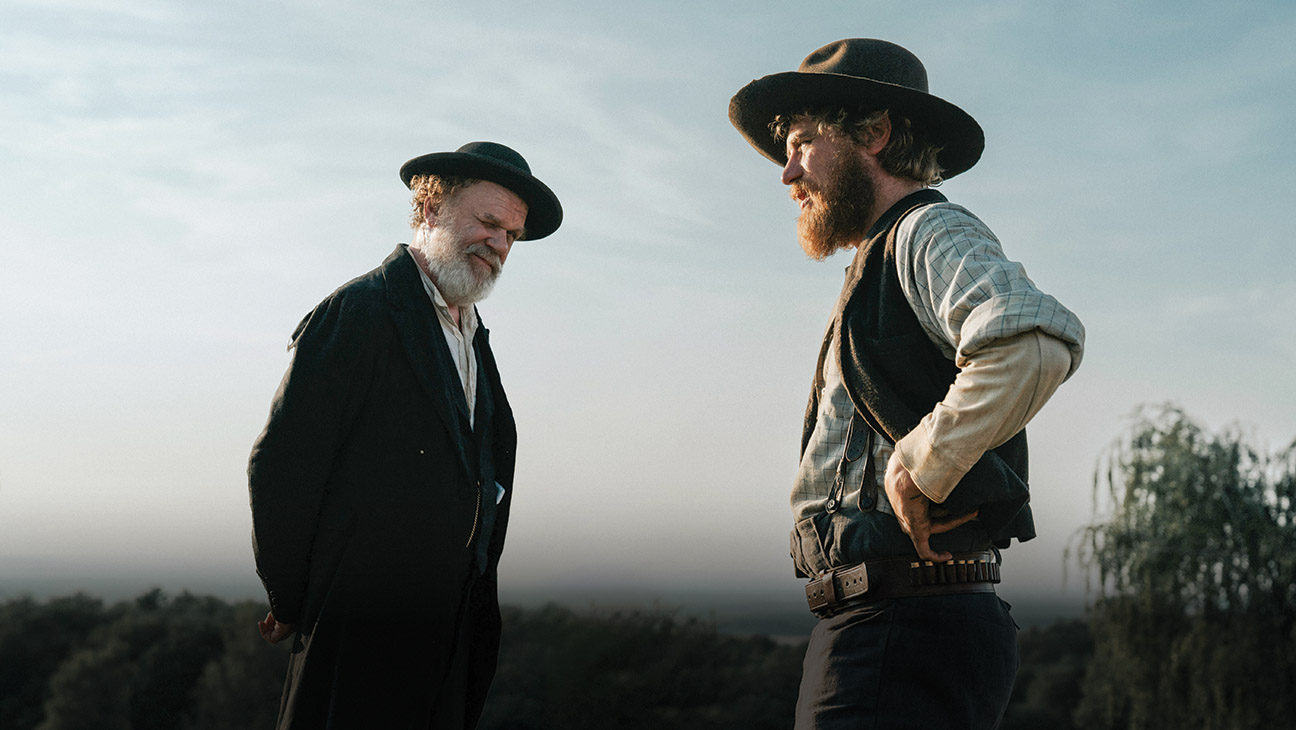
A more known quantity on the other hand, Johnny Flynn (Emma, Operation Mincemeat) knocks it out of the park playing Norwegian immigrant and Civil War veteran Jacob Hansen, who also serves as the Wisconsin town of Friendship’s local constable, undertaker and preacher. Present in nearly every frame, Flynn’s Jacob is a Victorian Job on a bicycle, constantly in motion as he tries to deal with not just an outbreak of diphtheria that threatens the lives of his loved ones, neighbors and everyone in town, but also wildfire getting nearer to Friendship by the minute.
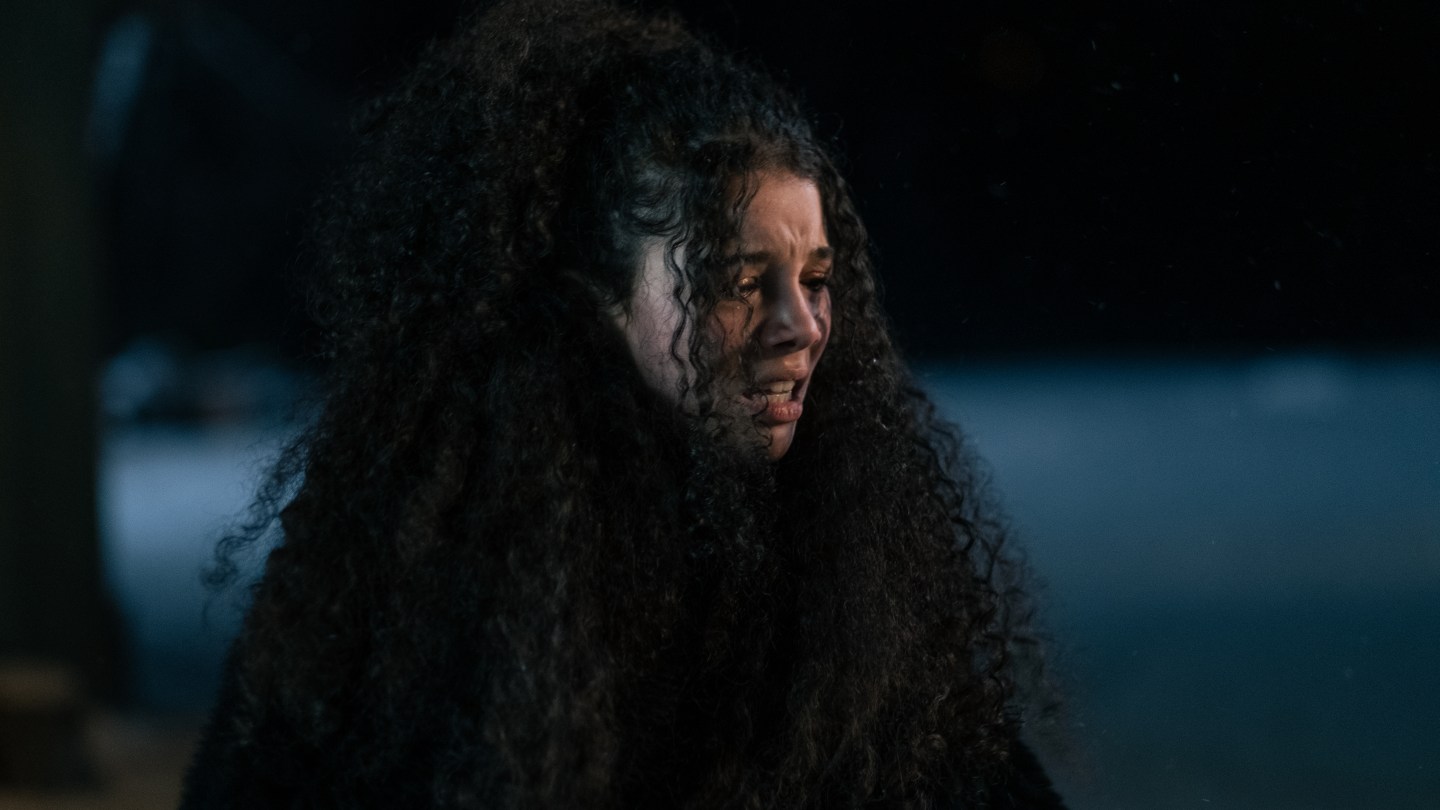
But kudos are due also to John C. Reilly, serious as a grave after a long run of comic turns (you could say he fills a slot similar to that occupied by William H. Macy in Train Dreams, although Reilly’s role is more substantial); up-and-coming Norwegian actor Kristine Kujath Thorp, who plays Jacob’s fragile wife Marta; and an international cast of supporting players, who bring surprising, layered depths to the smallest roles.
And we haven’t even gotten started on the craft contributions, all top-notch, but with special praise due to DP Kate McCullough’s stylized, sun-bleached and blood-colored lensing that darts, dashes and dares to zoom; the dead-on period sets by Hubert Pouille; and the patchworked, lovingly dirtied and thoroughly distressed costumes by Ján Kocman. The international cohort shot the film on location in Slovakia, passing plausibly for 1870 Wisconsin.
Where Train Dreams was, for some, a little too under the ponderous spell of Terrence Malick, with all those wind-ruffled landscapes and figures backlit by magic-hour sunsets, A Prayer for the Dying appears to draw inspiration from grubbier, more gothic visions of the American West. Although set during a summertime drought, the scuffed and slovenly sets and clothing recall Robert Altman’s iconic, mud-soaked revisionist western McCabe and Mrs. Miller or, if you prefer something more recent, Deadwood.
Meanwhile, Van Dusen is upfront about how the sui generis compendium of photograph and news stories Wisconsin Death Trip, compiled by Michael Lesy and later made into a film by James Marsh, is also a touchstone here, with its portrait of Midwestern despair and madness in the wake of economic hardship and high mortality rates from diphtheria and other maladies of the time. There are echoes of Death Trip’s monochrome 1880s photographs of dead children, miserable hausfraus and other unsmiling locals in the frontal way Van Dusen and McCullough position and frame the characters here, often posed carefully in the horsehair-stuffed furniture these people have saved and scrimped to buy. Their possessions are meager and modest but thoughtfully arranged, the floors meticulously swept, which makes it all the more shocking when vomit starts puddling up everywhere.
The land looks wide open and empty, but for Jacob, as everything starts to fall apart, there’s nowhere to go. Plus, he is a man carrying a heavy freight of trauma from the war, which only ended a few years ago. It’s hinted that some of what we see might be figments of his imagination, like the red-toned dream sequences where sifts of hot ash, presaging the fire that’s coming, fall over dollhouse versions of the town. There is a dead dog in the road in the first few scenes, echoing a slaughtered horse on a battlefield we see in one early flashback to Jacob’s war years. The dog’s guts are strewn across the road on a subsequent day, and then — even more eerie and disturbing — the dog seems to have disappeared entirely, although Jacob circles around the spot where it used to be on his bicycle as if he can still see it. Later, someone shoots a perfectly harmless-looking tuxedo cat, lest it might be a disease vector. Animal lovers will find this a challenging watch.
But the suffering of companion animals pales beside the torment meted out to the humans here, as many succumb to the quick-spreading bacterial infection. The camera pans slowly around or inches closer to tableaux of horror as if on railroad tracks, suddenly revealing a hanged figure or a dioramic arrangement of dead women, all dressed in the same ivory-colored gowns, the corpses and their still-living mourners stacked like firewood.
Through it all, Jacob struggles not just to endure and protect those he can, but also to keep the faith with his God. Often he kneels to pray, and this marks one of those very rare period films made these days that acknowledges, even celebrates, how profoundly central religion was to nearly everyone only a few generations ago. But true to its Old Testament inspiration and underlying theology, there’s no knowing why God has sent these torments to Jacob and his town. He works in mysterious ways, and A Prayer for the Dying stitches that mystery into every frame.