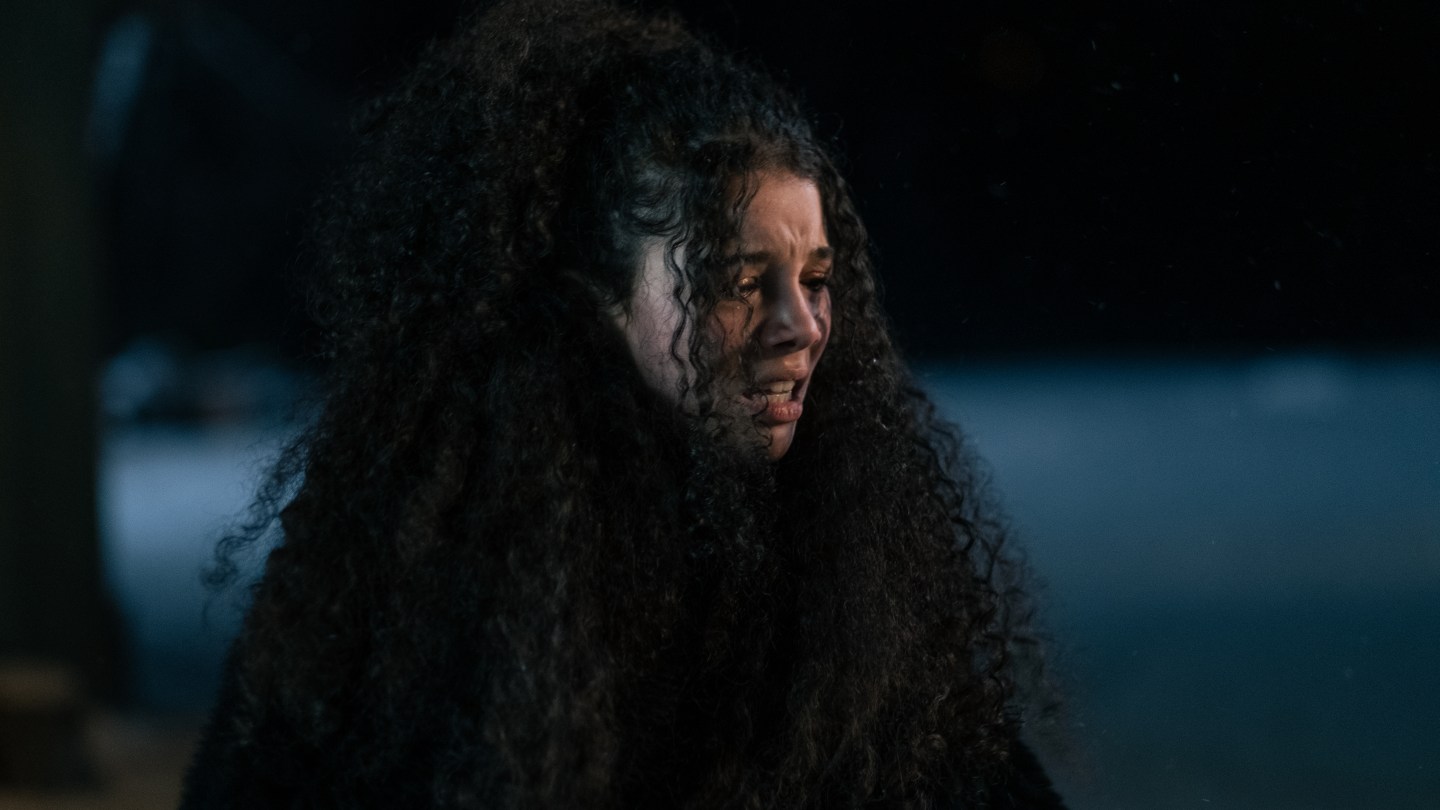
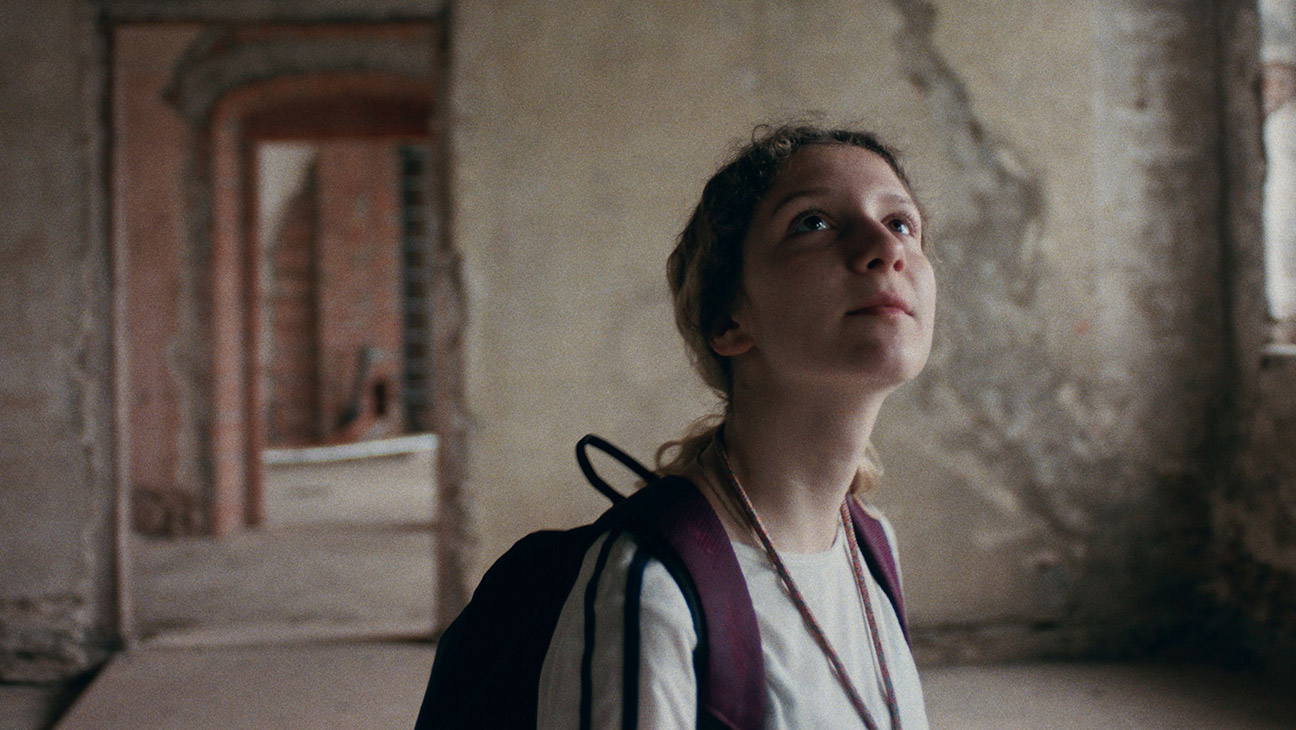
After 16-year-old Lea (Frida Hornemann) scores a place on a national TV talent show, she experiences a micro-existential crisis when it’s time to decide how to present a pasteurized version of herself, her family and her East German hometown in writer-director Eva Trobisch’s Home Stories (Etwas ganz Besonderes). A more ambitious, multi-stranded work compared to Trobisch’s well-received debut All Is Well and its successor Ivo, this represents a thoughtful but ultimately unresolved feature that’s a bit all over the place, and literally so.
Like a lot of realist, character-focused dramas these days, this plays like the first couple of episodes of what might have been an eventually rewarding but slow-to-get going limited series for a streaming service that didn’t get picked up. Still, as an intentionally contrapuntal portrait of contemporary German identity with some of the many contradictions and complications one would expect, it just about works, although local audiences will naturally get the most out of it.
Home Stories
A bit too scattered, but not uninteresting.
Indeed, there is a fascinating paradox about these talent shows — all the rage back in the 2010s but definitely waning in popularity now — in that many are spin-offs of basic universal templates that then produce softly nationalistic episodic television. Over and over again, they offer up regional heroes for folks to root for, like sports figures or beauty pageant competitors, whose backstories (or “home stories” as the film’s English title calls them) are hewed from cozy, familiar stereotypes — the small-town girl, the inner-city kid and so on.
Like any real people, Lea and her family, residents of the picturesque southeastern town of Greiz in the Thuringia region, don’t fit easily into any of the tidy categories such shows usually peddle unless you squeeze hard or shear off the tricky contours. For starters, her parents, dad Matze (Max Riemelt) and mother Rieke (Gina Henkel), recently split up, and although the reasons are never directly explained, the fact that Rieke is pregnant now with another guy’s child probably has something to do with it. (One of the film’s first scenes wryly depicts the awkward comedy of blended families as Matze arrives to pick up Lea and strives to seem friendly towards Rieke’s new partner.)
Meanwhile, Matze’s own parents, Christel (Rahel Ohm) and Friedrich (Peter René Lüdicke), are struggling to make ends meet running a sprawling hotel plus a horse-riding and stable business that simply doesn’t attract enough customers. Simple, working-class folk who had factory jobs in the days before the Wall fell, the older couple don’t get why they shouldn’t let a group of far-right political activists hold a conference at the hotel, although the younger members of the family are horrified.
That’s especially true of Matze’s sister Kati (Eva Löbau), an educated curator-historian who has been trying to raise funds to restore a local palace, long since fallen into disrepair, that was an old-folks home during the East German regime. Kati’s son Edgar (Florian Geisselmann), who is close to cousin Lea in age, is also opposed to the far-righters’ visit and is involved in a leftist youth group who are planning what appears to be either a protest or some kind of performance art piece. It’s hard to tell the difference.
To be honest, non-German speakers may struggle to understand what exactly is going on since the dialogue is quick, overlapping and dense, so the subtitles struggle to keep up. Trobisch and her editor Laura Lauzemis switch between different story strands relatively smoothly, but it’s a lot to take in and some characters and subplots just sort of dissipate by the end. It’s not a massive loss to not know what happens to Edgar and whether Bonny (Ida Fischer), Lea’s best friend, ever managed to cop off with him. But some may feel frustrated not to have more closure over what happened to one major character, who literally goes missing, launching a manhunt, around two-thirds into the film.
Cinematography by DP Adrian Campean favors grainy-looking, low-lit textures and swoops nimbly around the players, creating a spontaneous, semi-documentary feel. This forms a striking contrast with the scenes fashioned to look exactly like a typical cheesy reality TV show, with all the glitter balls, high-resolution close-ups and corny cutaways to crying family members, when Lea gets on the show. At least those visual mannerisms and tropes are pretty much universal, baked into the DNA of TV casting-and-talent shows worldwide.