Mayumi Yoshida’s Japanese-language coming-of-age drama Akashi marks a pioneering effort in Canadian film. No wonder it’s winning film festival awards.
The Canadian-Japanese director’s multigenerational love story picked up the best first feature film prize at the 2025 Reel Asian Film Festival and earlier earned the audience award at the Vancouver Film Festival. That’s ahead of being a frontrunner this week in the Borsos Competition at the Whistler Film Festival.
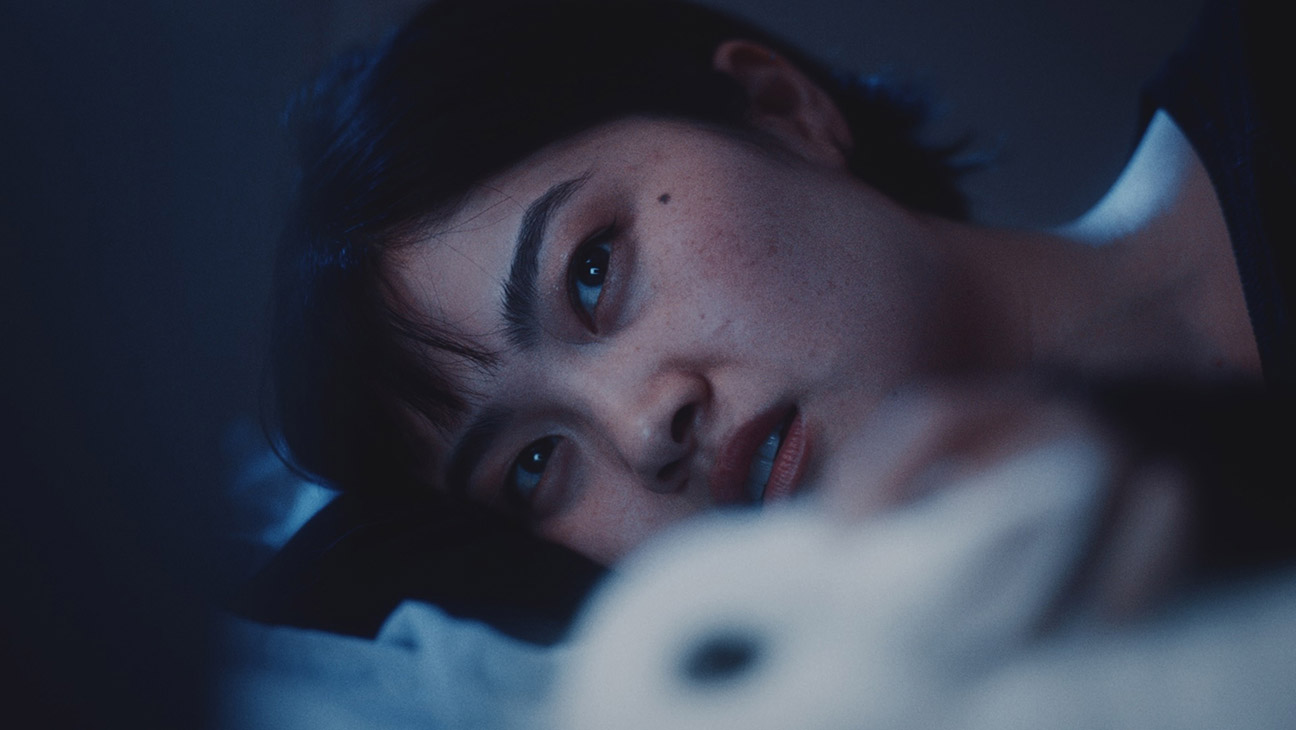
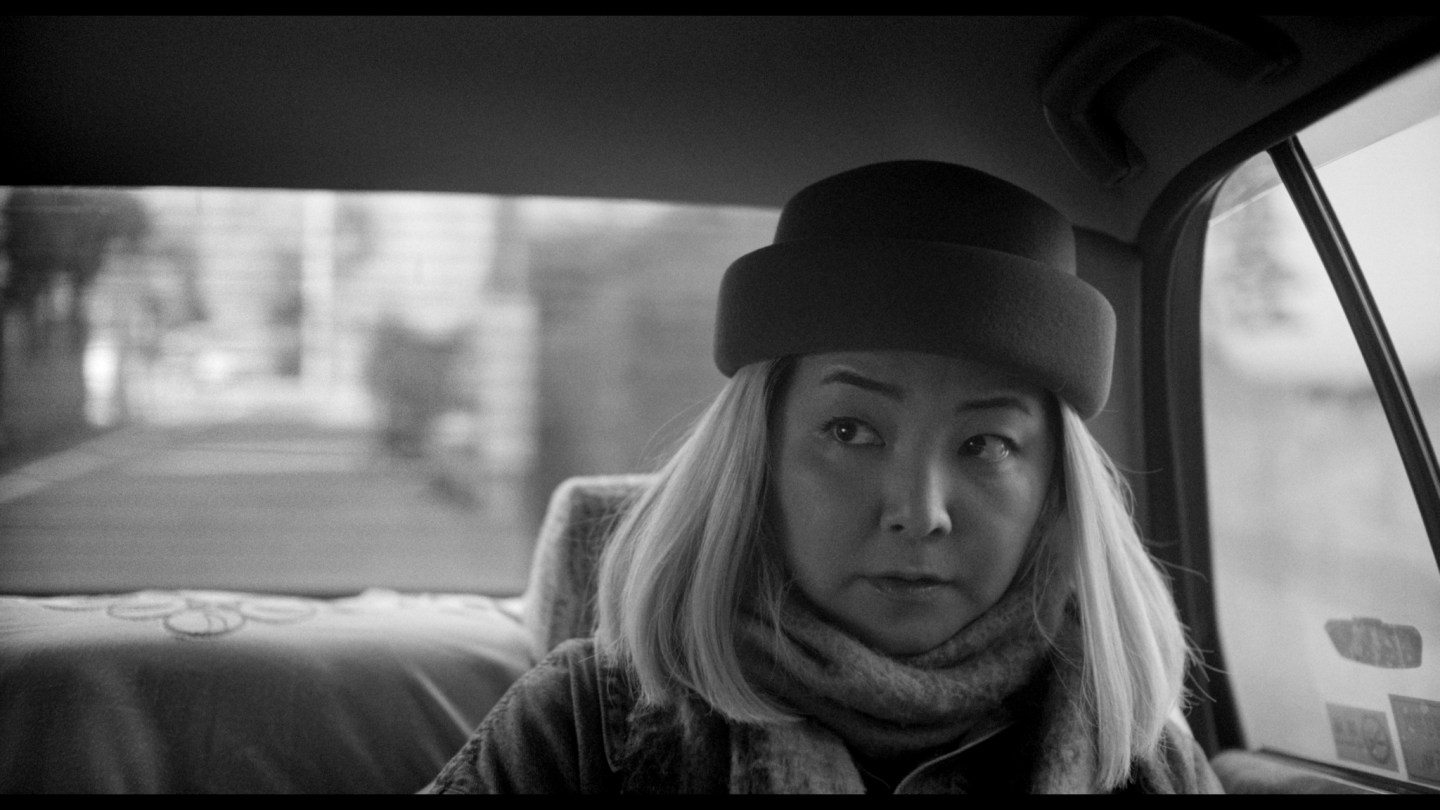
In Akashi, Japanese-born and Canadian émigré Yoshida plays Kana, a struggling artist in Vancouver who returns to Tokyo for her grandmother’s funeral, and feels out of place after ten years abroad. With subtitles, the director argues global film audiences will be able to understand her Japanese-language film as it represents a universal immigrant story.
“I felt is was very important that I tell this story as a Canadian, because that is my identity,” Yoshida explains. But completing her 9-year journey to write, produce and direct Akashi, which intertwines a Canadian filmmaker with her native Japanese language, resulted from both chance and struggle.
Yoshida’s film was initially inspired by a real-life 2011 lunch where her grandmother suddenly revealed her grandfather had another lover whom she tolerated during a marriage in Japan forged in the wake of the Second World War. “I had no choice,” her grandmother added of the decision to protect her family’s reputation by looking away from what her husband did outside the home.
“For the longest time, I kept thinking I don’t know what to do with this information, with this big secret that she just dropped on me — but I know there’s a bigger story,” Yoshida recalled. Here, Akashi tells a universal story of a grandparent anywhere waiting a lifetime to suddenly reveal to a family member a dark secret about what happened in their youth, and why.
Yoshida was also left questioning differences between women today and their grandmothers. “When I heard this story, and my grandma telling me that we had it better in my generation, versus her restricted generation, I just felt I don’t know if it is better in my time, because it seemed like the more choices we have in our lives, it’s actually more complicated and it is harder for us to make decisions,” she argued.
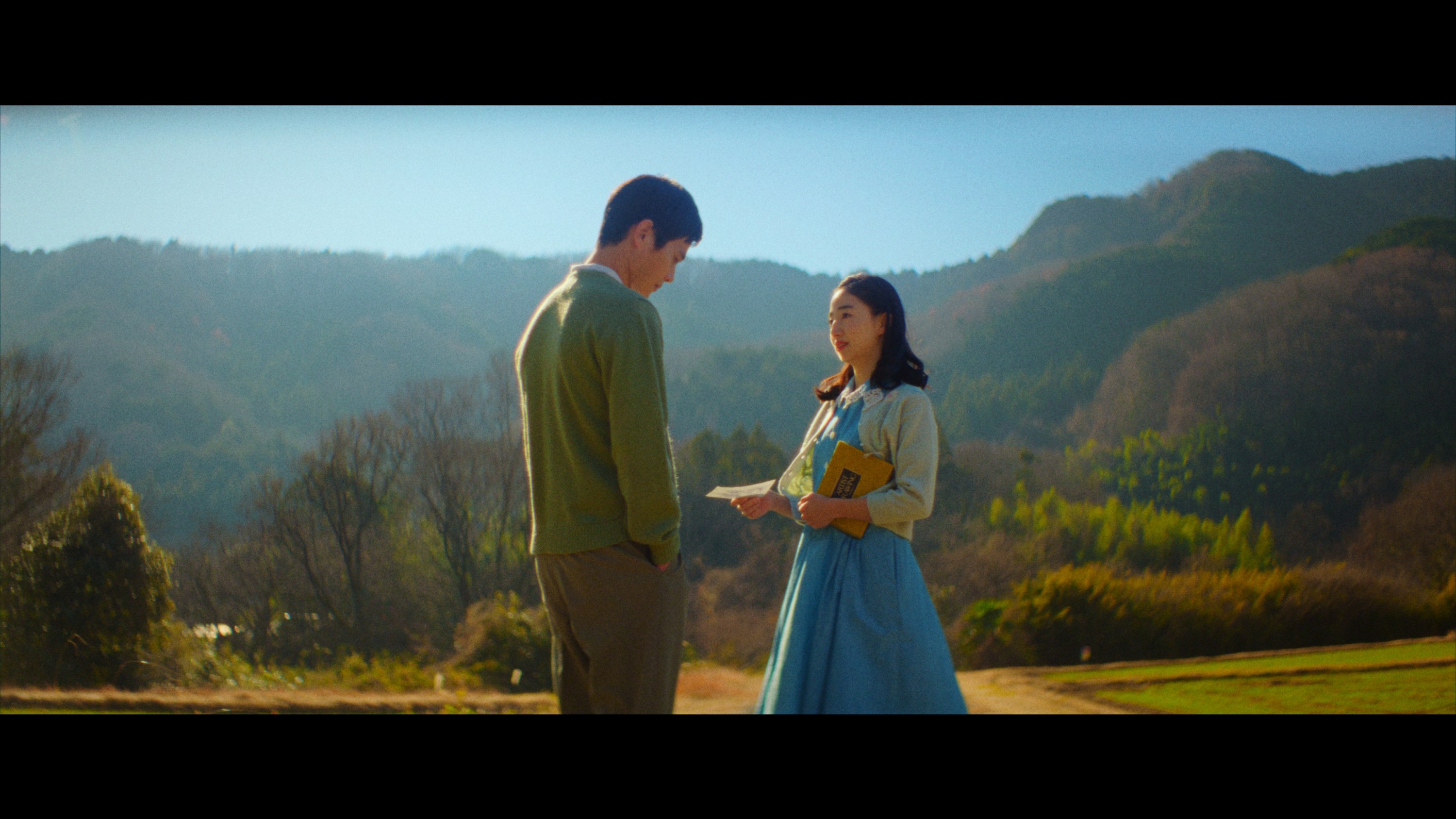
In Akashi, Kana, after uncovering her family secret during a flashback scene, soon after reconnects with Hiro, an old love. And that forces Yoshida’s character to confront her own choices and that of her grandmother in life as each generation of women navigate the complexities of love, sacrifice and family expectations.
“I thought her love for my grandfather and the generosity she had for the lovers, this was a story I wanted to tell,” Yoshida insisted, especially as her grandmother didn’t feel her story deserved the big screen treatment. “I felt, no, no grandma. You’re wrong. You and your story is actually something that’s really important and universal,” she recounted.
Yoshida’s debut feature, filmed in Japan and Canada, joins a bumper crop of Canadian films that are not just in English and French — the country’s official languages — or films in indigenous mother tongues also made eligible for government funding. Significantly, this vanguard of new homegrown pictures are written and directed by Canadian immigrant talent finally getting onto the big indie film stage, or established directors working mainly with foreign languages.
These include Iranian-Canadian director Alireza Khatami’s Turkish language thriller The Things You Kill, Canada’s 2026 Oscar contender for best international feature; Matthew Rankin’s Farsi and French language deadpan comedy Universal Language; Somali-born K’naan Warsame’s directorial feature Mother, Mother; and Anthony Shim’s Korean language family drama Riceboy Sleeps.
In 2022, the Canadian government and its film financier, Telefilm Canada, changed their eligibility requirements to allow for more authentic storytelling reflecting the diversity of the country’s immigrant communities. The policy shift followed the Hollywood awards season success of Lulu Wang’s semi-autobiographical comedy-drama The Farewell and Lee Isaac Chung’s Minari, an autobiographical film about a Korean family trying to make it in 1980s Arkansas.
“That sparked this conversation about what makes a film American and what makes a film Canadian, and that helped me realize this story had to be told from my own experience, which is a first generation immigrant experience of going back home and then feeling othered in both countries, and feeling like I don’t belong in my own country anymore,” Yoshida recounted.
Those changes allowed foreign language directors that emigrated to Canada to no longer feel marginalized by dominant English and French language directors, and for Canadian film overall to reach out to the country’s expanding multicultural communities. The relaxed eligibility requirements didn’t come without pressure. Yoshida had to campaign to have Canadian films in diverse languages like Japanese, Mandarin and Arabic be made eligible for financing.
The result, she argues, is more authentic storytelling where actors in their original languages can better embody their characters and nothing gets lost in translation between words spoken and actions captured on screen. “The way my character [Kana] speaks in English versus Japanese is totally different. Her mannerisms are different. You won’t be able to portray that subtlety authentically when the language is restricted. So it matters everybody around her only speaks Japanese,” Yoshida explained.
She adds Akashi could not have been made with the Japanese actors she chose if Telefilm Canada had not changed its rules on diversity languages. “I don’t think I would have been able to cast them and I don’t even think it would have made sense to shoot in Japan, or maybe it’s a different movie,” Yoshida argued.
The Akashi leads alongside Yoshida include Hana Kino, Ryo Tajima, Chieko Matsubara, Kunio Murai, Shun Sugata, Bun Kimura, Sayaka Kunisada, Hiro Kanagawa and Jess McLeod.
“I don’t think any of the [cast members] speak English fluently. And it doesn’t make sense this Japanese family living in Japan would talk to family members in English, unless it’s a specific choice,” she added.
Akashi is produced by Musubi Arts and Experimental Forest Films in Canada and Flag Pictures in Japan. The executive producer credits are shared by Mallory Schwartz, Julie Waters and Evan Dyal, and funding came from Telefilm Canada, Canada Media Fund, Creative BC, Watermark Media, Crave and Hollywood Suite.