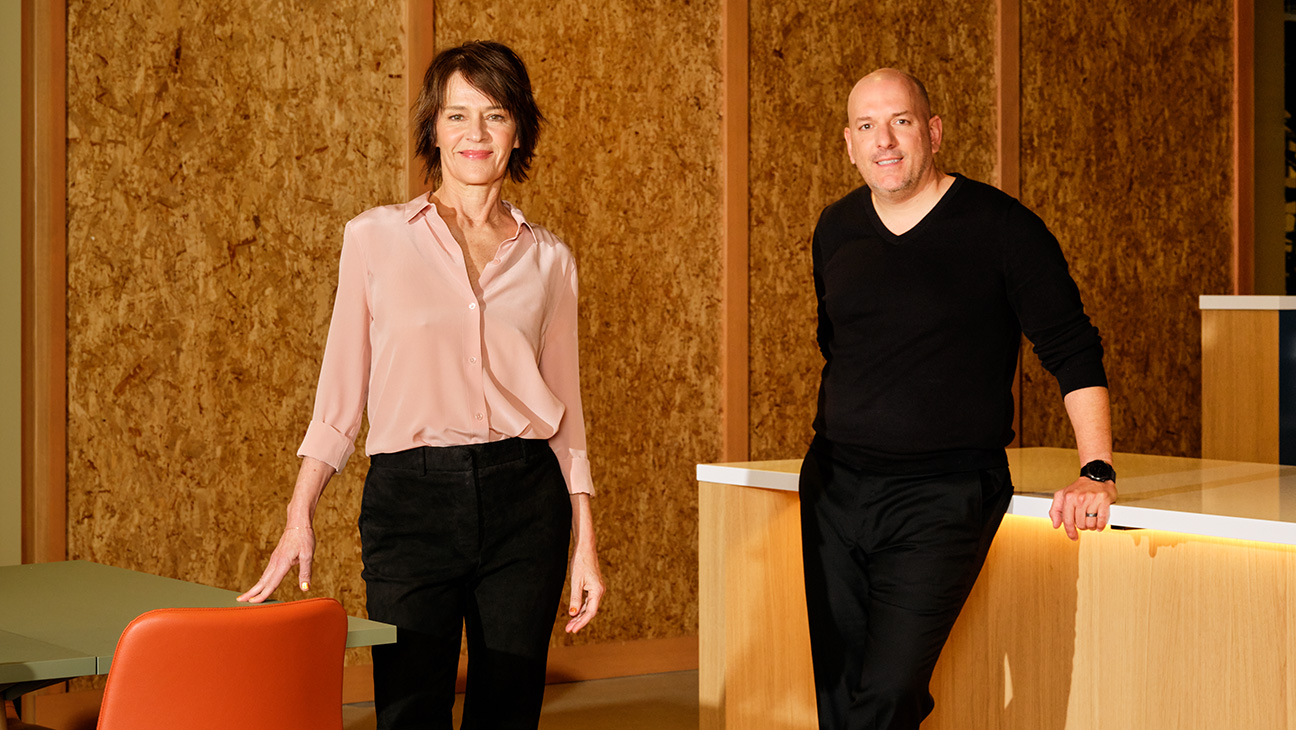
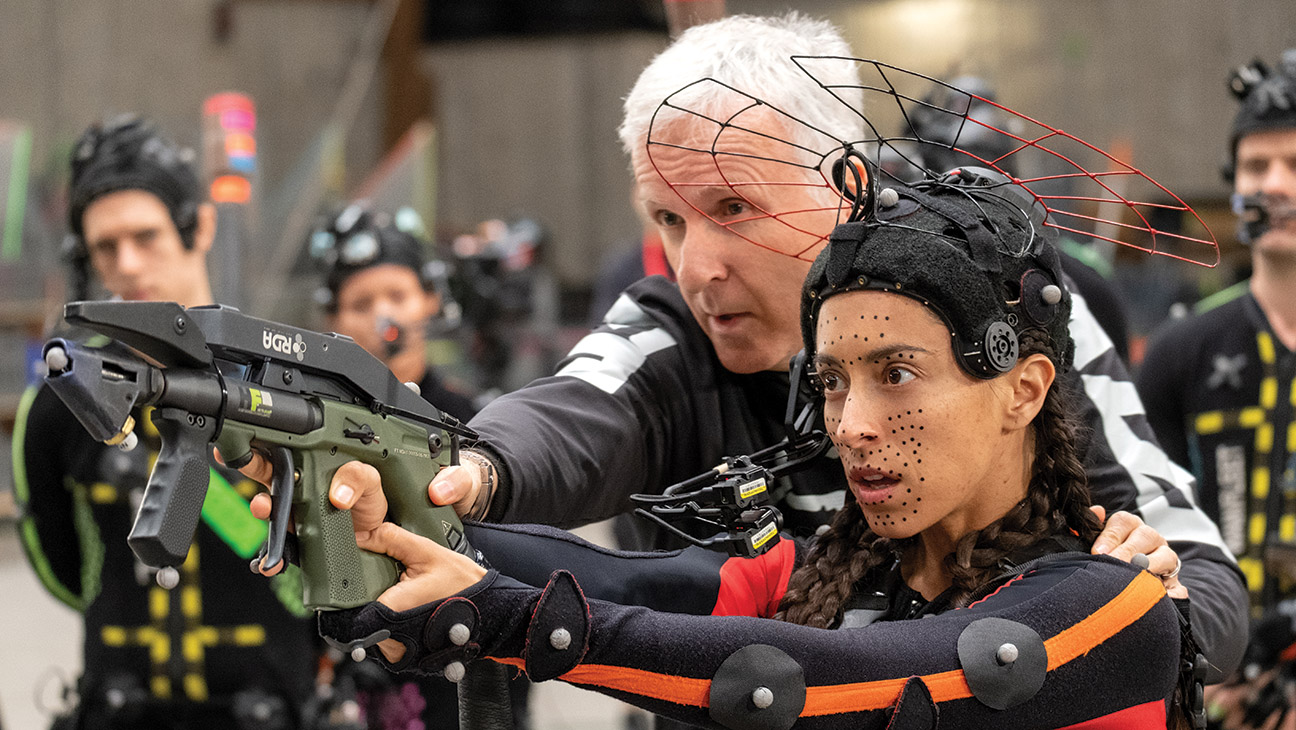
The Avatar saga’s effects team has been wowing audiences for 17 years, so it’s perhaps easy to take for granted that James Cameron‘s latest blockbuster is arguably the greatest special effects spectacle theater audiences have ever seen. With Avatar: Fire and Ash, the Oscar-winning VFX team once again raised the bar for transporting a cast into the world of Pandora and delivered a film where every shot has at least some kind of CG element. But what were the toughest visual aspects in Fire and Ash to pull off? What shots did Cameron personally obsess over? And can the Academy really compare costumes worn by actors in traditional films to those rendered digitally? To find out, we spoke to a trio of leads on the project: executive producer, VFX supervisor and second unit director Richard Baneham; Weta FX senior visual effects supervisor Eric Saindon; and Weta FX senior animation supervisor Daniel Barrett.
What was the hardest effect in Fire and Ash to do?
ERIC SAINDON People are going to expect it’s the big explosions and the water, but the subtle shots are the hardest for us. It’s all the shots of Jake [Sam Worthington] being real subtle — he’s not an over-actor by any means.
DANIEL BARRETT It’s true. When [franchise newcomer Oona Chaplin] began as Varang, Sam’s advice to her was [to perform as if] “every shot is a close-up because you don’t ultimately know where the camera is going to be.” Those are the tricky ones because the whole performance is in the subtleties.
RICHARD BANEHAM Your perception of an actor’s eye direction is fundamentally affected by the lighting that’s put in. So we sometimes have to make very, very tiny adjustments to keep the emotional connection between the characters onscreen. That connected feel from character to character is what we fundamentally invest in as a viewer.
What’s tougher, fire or water? I would assume water.
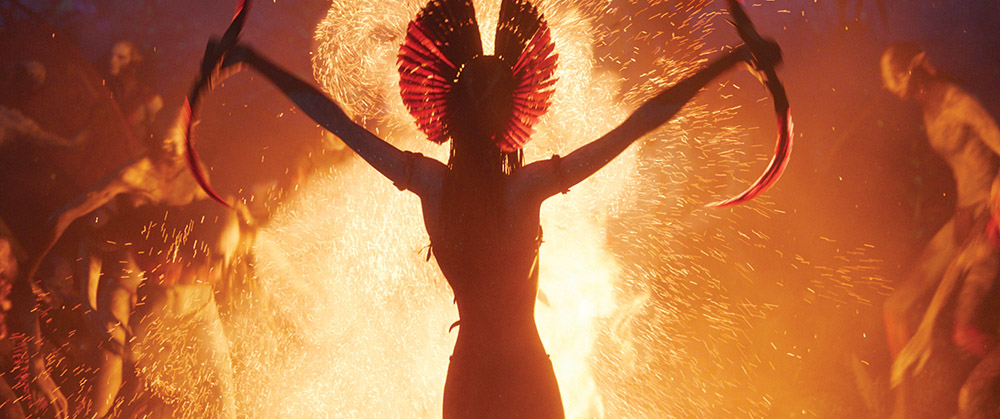
SAINDON You would think water. But fire is so unpredictable, and in every shot it can look a little different. And if the speed is a little off, if the exposure is a little off, then it’s real easy for it to look wrong. There’s a little more flexibility with water. It’s still very difficult, but you can get away with a bit more for some reason.
BANEHAM We’re so familiar with the fundamentals of water and the predictability of it. Fire depends on a lot of outside forces, and those outside forces — like fuel and wind — shift the very character of fire as you change them.
SAINDON We spent a lot of time doing practical fire, too — a lot of flamethrowers.
What is James Cameron particular about when it comes to looking at effects shots?
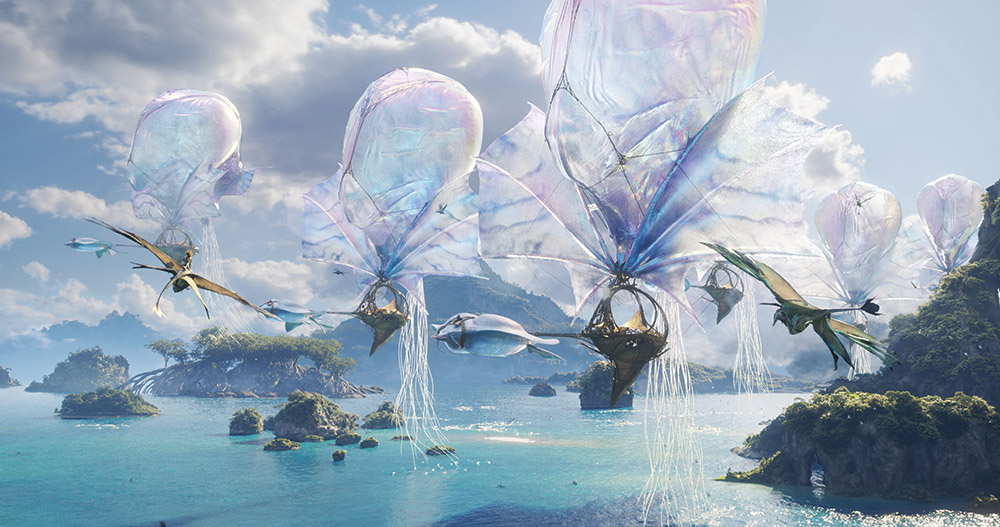
SAINDON The thing he always asks is: “What’s this shot about?” He’s [worried if] an effect is too big, it’s going to take away from the shot. Or if the lighting is too dark, you won’t see the facial performance. We had gigantic shots in the third-act battle that showed three times as many [warriors] as we do in the final movie. But Jim wanted you to be able to follow the action of every single little battle that was happening in the background. If the shot gets too cluttered, you couldn’t follow it.
What’s the shot Cameron agonized over, or went back and forth on the most?
BANEHAM There were very few where we had that kind of iterative process. The effect that did take a couple of iterations was when we were developing the look for the [hallucinogenic drug trip tent scene with Varang and Stephen Lang’s Miles Quaritch]. We spent a ton of time trying to work out the appropriate visual approach, and then Jim added a secondary effect, which was a rapid pulsing of the camera.
Fire and Ash was nominated for the Oscar for best costume. How would you respond to those who say, “But they’re not actually wearing the costumes when they film”?
BANEHAM We take real issue with that statement! [Costume designer] Deborah L. Scott and her team built almost 2,000 pieces of costume props. And then we actually did a huge amount of physical testing with the costumes. So every single thing you see that’s represented in CGI was handwoven and then tested [with the actors] to understand its movement. There are a couple of departments that are overlooked because they have their final representation onscreen as CG, and that’s just like saying our performers are not actors.
There’s a sense that Fire and Ash felt so photorealistic that it’s roughly as good as Avatar is probably going to look for a possible fourth movie. Or do you think there will be another leap in VFX even when rendering the world of Pandora by then?
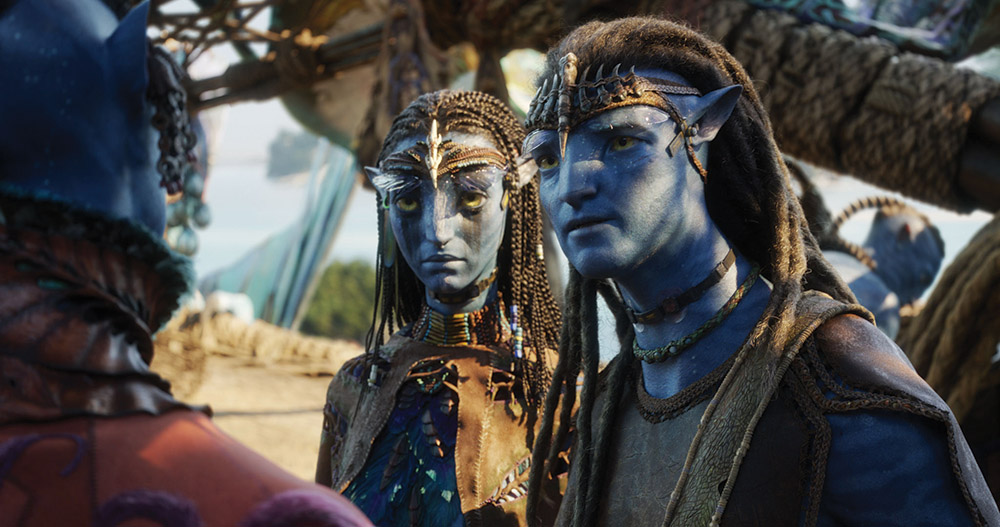
BANEHAM The quality of visual effects doesn’t stop developing, but it has hit a level of visual reality that is pretty damn close to photographic. The subject that we’re covering tends not to be real, and it’s hard in that respect, but I think there’s real room for improvement in the process and cleaning up the workflows. I also think [Avatar 4 and 5] have some real interesting challenges from a visual effects standpoint.
BARRETT The more you learn, the more you sort of learn the little things you don’t know. The detail that you’re chasing becomes smaller and smaller and smaller but in many ways becomes more and more important. So yeah, I think it can get better.
SAINDON If we weren’t pushing for more, most of our artists would get really bored.
This story first appeared in a February stand-alone issue of The Hollywood Reporter magazine. To receive the magazine, click here to subscribe.