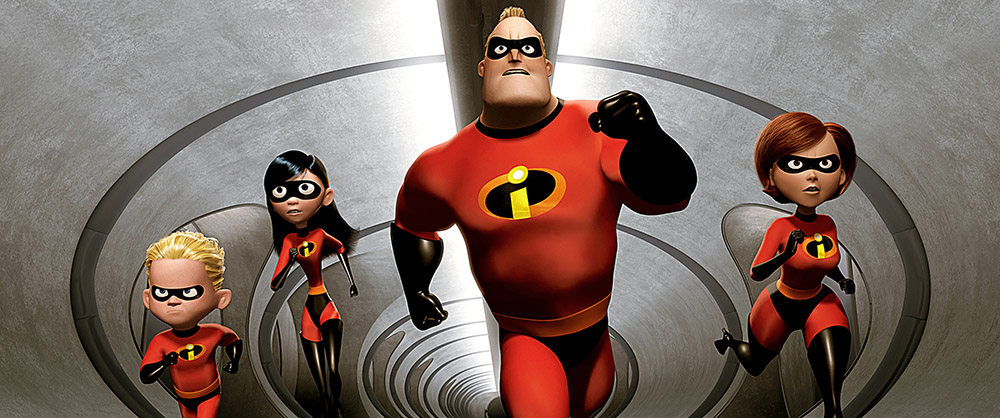
High Society, The Big Chill, The Karate Kid, Glory, Philadelphia, Clueless, The Incredibles, The Grand Budapest Hotel and the first mainstream documentary from Ken Burns have been inducted into the National Film Registry, it was announced Thursday.
The Thing — the top title nominated by the public last year — White Christmas, Before Sunrise, The Truman Show, Frida, The Hours and Inception also are among the 25 “culturally, historically or aesthetically” significant works selected for preservation by the Library of Congress.
Six silent films from 1896 to 1926 are in the class of 2025, as are four documentaries: George Nierenberg’s Say Amen, Somebody; Burns’ Brooklyn Bridge; Danny Tedesco’s The Wrecking Crew; and Nancy Buirski’s The Loving Story.
There are now 925 films in the registry (selections began in 1989, and a film must be at least 10 years old to be eligible). The six-week government shutdown delayed the 2025 announcement by about a month.
“When we preserve films, we preserve American culture for generations to come. These selections for the National Film Registry show us that films are instrumental in capturing important parts of our nation’s story,” acting Librarian of Congress Robert R. Newlen said in a statement. “We are proud to continue this important work … as a collective effort in the film community to protect our cinematic heritage.”
TCM will screen a few of the inductees starting at 5 p.m. PST on March 19, with TCM host Jacqueline Stewart, chair of the National Film Preservation Board, introducing the films.
Also considered were 7,559 titles nominated by the public. Nominations for 2026 will be accepted through Aug. 15 here.
In an interview with the Library of Congress, Burns said that “with the exception of The American Revolution, which is a subject that predates photography, we’ve used the Library of Congress in every single film we’ve worked on. [For Brooklyn Bridge], I spent between eight and nine weeks, Monday through Friday, 8:30 to 4:30 in the paper print collection, filming on an easel with gloves and magnets.
“When I think about the National Film Registry and all the films that are contained in it, I think of it as a giant mirror of the United States, reflecting back all of the complexity, all of the intimacy, all of the variety of the people and ideas and forces and movements that have taken place over our history. And you realize what an extraordinary repository it is.”
Wes Anderson said he also took advantage of the LOC to create The Grand Budapest Hotel.
“There’s a specific set of postcards in the Library of Congress Photochrome Prints collection. They’re photographs from the turn of the century and hand-tinted,” he said. “When we were first starting to figure out how to tell this story, the views and images that we were looking for, the architecture and the landscapes that we wanted, they don’t exist anymore.
“We went through the entire Photochrome collection, which is a lot of images. We made our own versions of things, but much of what is in our film comes directly from that collection from the Library of Congress.”
Here are the 2025 inductees in alphabetical order, with descriptions supplied by the Library of Congress:
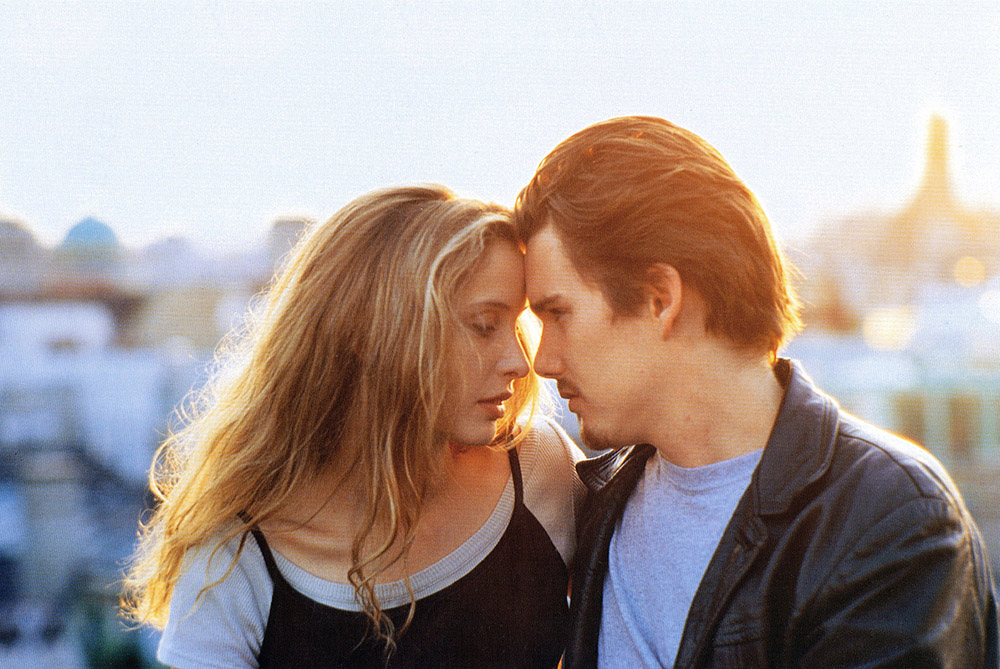
Before Sunrise (1995)
Richard Linklater has explored a wide range of narrative storytelling styles while consistently capturing ordinary, everyday American life. However, his innovative use of time as a defining and recurring cinematic tool has become one of his most significant accomplishments. As the first film in his Before trilogy — each film shot nine years apart — Before Sunrise unfolds as one of cinema’s most sustained explorations of love and the passage of time, highlighting the human experience through chance encounters and conversation. With his critically acclaimed 12-year production of Boyhood (2014) and a new 20-year planned production underway, his unique use of the medium of film to demonstrate time passing demonstrates an unprecedented investment in actors and narrative storytelling.
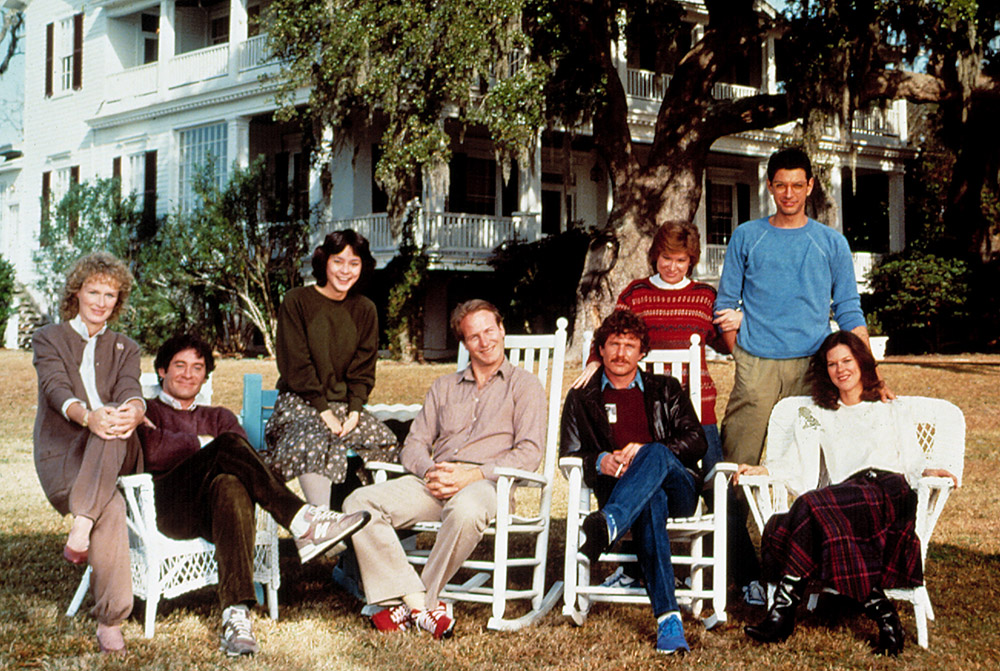
The Big Chill (1983)
Lawrence Kasdan’s Oscar best picture nominee offers an intimate portrait of friends reunited after the suicide of one of their own and features actors who defined cinema in the 1980s — Glenn Close, William Hurt, JoBeth Williams, Kevin Kline, Jeff Goldblum and Meg Tilly. This powerful ensemble portrays American stereotypes of the time — the yuppie, the drug dealer, the TV star — and deftly humanizes them. Through humor, tenderness, honesty and an amazing soundtrack, it shows formerly idealistic Americans making and dealing with the constant compromises of adulthood while buoying one another with uncompromising love and friendship.
Brooklyn Bridge (1981)
Here Burns introduced himself to the American public, telling the story of the New York landmark’s construction. As with later subjects like the Civil War, jazz and baseball, Burns connects the building of the Brooklyn Bridge to American identity, values and aspirations. Released theatrically and nominated for an Academy Award for best documentary feature, this marked the beginning of Burns’ influential career in public media. More than just a filmmaker, he has become a trusted public historian. His storytelling presents facts, but maybe more importantly, invites reflection on what America is, where it’s been and where it’s going. His influence is felt not only in classrooms and through public broadcasting, but across generations who see history as something alive and relevant.
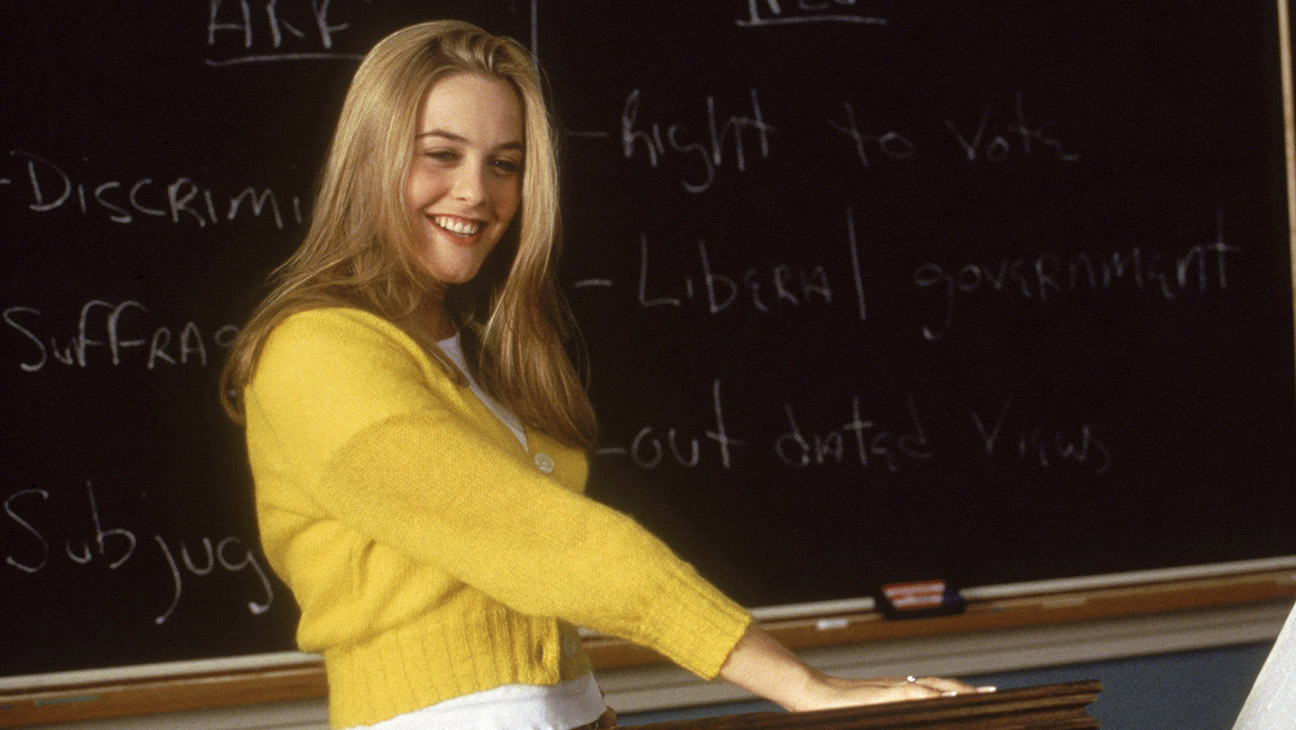
Clueless (1995)
A satire, comedy and loose Jane Austen literary adaptation dressed in teen-movie designer clothing, Clueless, written and directed by Amy Heckerling, rewards the casual and the hyper-analytical viewer as well. It’s impossible to miss its peak-1990s colorful, high-energy, soundtrack-focused onscreen dynamism, and repeated viewings reveal its unpretentiously presented, extraordinarily layered and biting social commentary about class, privilege and power structures. Heckerling and the incredible cast never talk down to the audience, creating main characters that viewers root for, despite the obvious digs at the ultra-rich. The film centers on Cher (Alicia Silverstone) as a well-intentioned, fashion-obsessed high school student who is convinced she has life figured out. In the age of MTV, the film’s popularity launched Paul Rudd’s career and Silverstone’s iconic-’90s status. The soundtrack, curated by Karyn Rachtman, helped solidify the film as a time capsule of clothing, music, dialogue and teenage life.
“I’m often asked, how did I decide to make [Austen’s 1816 novel] Emma into an updated film, which is kind of backward because what I wanted was to write the kind of characters that really amused me, people that were very comfortable, ardent and optimistic,” Heckerling told the Library of Congress. “I would get up, read the news and then just want to cry and be depressed.
“So, I thought, what if you really were always positive? How would that be? And what if you were doing things and you just knew that you were right? I remembered reading Emma when I was in college, so I reread it. It was like Jane Austen was pulling up from the grave and saying, ‘I already got it!’”
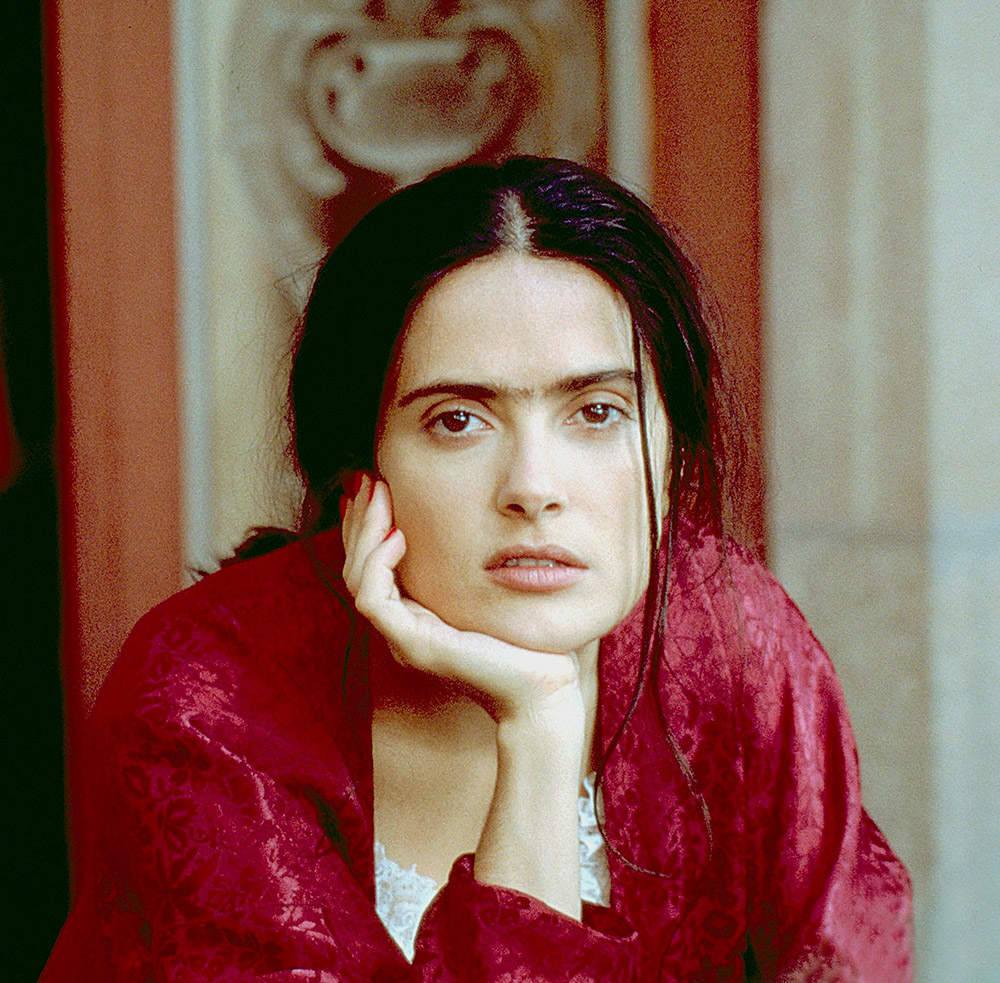
Frida (2002)
Salma Hayek produced and stars in this biopic of Frida Kahlo, adapted from the book Frida: A Biography of Frida Kahlo by Hayden Herrera. The film explores Kahlo’s rise as an artist in Mexico City and the impact disability and chronic pain from an accident as a young adult had on her life and work. The film centers on her tumultuous and passionate relationships, most significantly with her husband, painter Diego Rivera (Alfred Molina). Directed by Julie Taymor, it was nominated for six Oscars, including best actress, winning for makeup and original score.
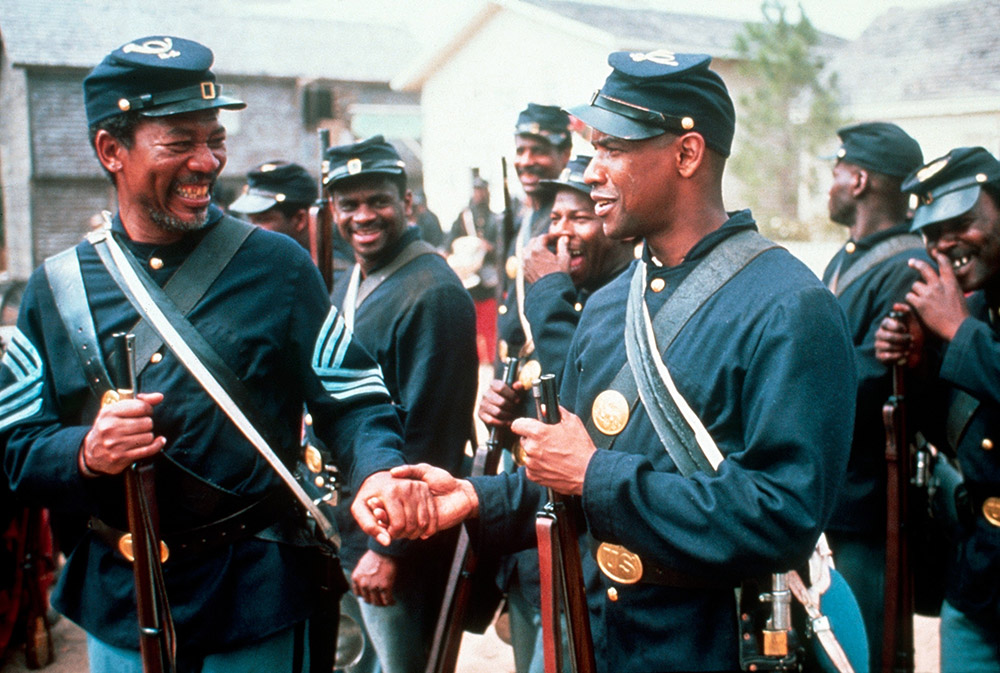
Glory (1989)
Described by Leonard Maltin as “one of the finest historical dramas ever made,” Glory portrays a historical account of the 54th Regiment, a unit of African American soldiers who fought for the North during the Civil War. Authorized by the Emancipation Proclamation of 1863, the regiment consisted of an all-Black troop commanded by white officers. Matthew Broderick plays the young colonel who trains the troop, and Denzel Washington (in an Oscar-winning turn) is among an impressive cast that includes Morgan Freeman, Cary Elwes and Andre Braugher. American Civil War historian James M. McPherson said the Edward Zwick-directed film “accomplishes a remarkable feat in sensitizing a lot of today’s Black students to the role that their ancestors played in the Civil War in winning their own freedom.”
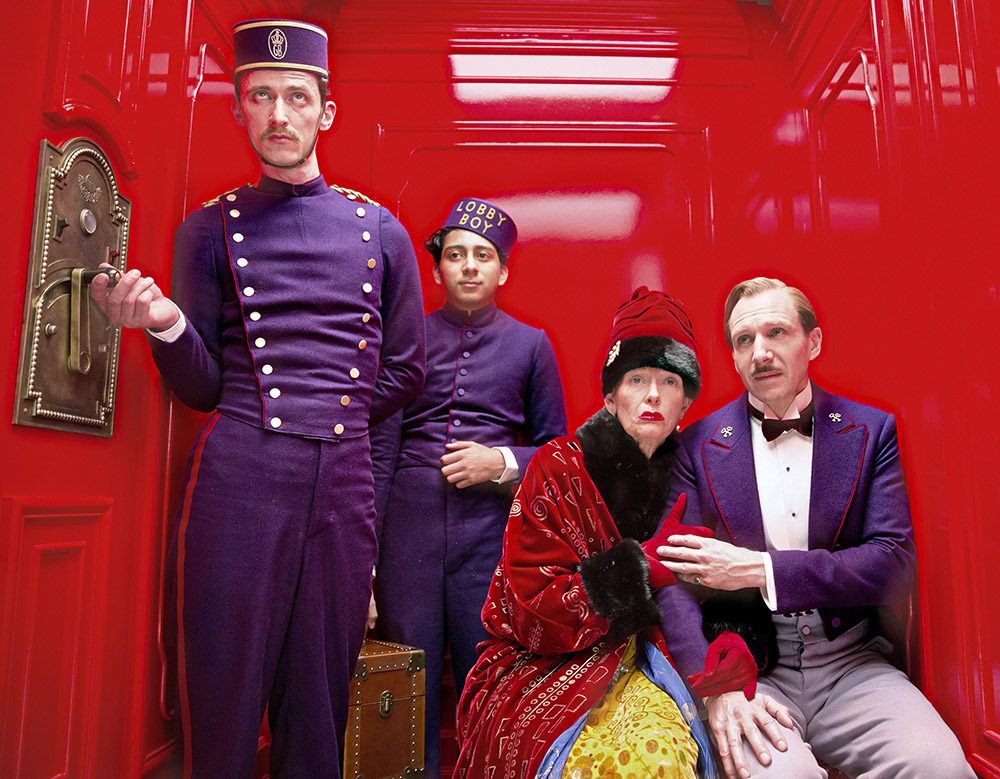
The Grand Budapest Hotel (2014)
This stands as one of Anderson’s most successful films and demonstrates his brand of unique craftsmanship, resulting in a visually striking and emotionally resonant story. As one of the most stylistically distinctive American filmmakers of the past half-century, he uses historically accurate color and architecture to paint scenes to elicit nostalgia and longing from audiences, while at the same time weaving in political and social upheaval. This is an example of Anderson as a unique artist who uses whimsy, melancholy, innovative storytelling and a great deal of historical research, all on display in this visually rich gem.
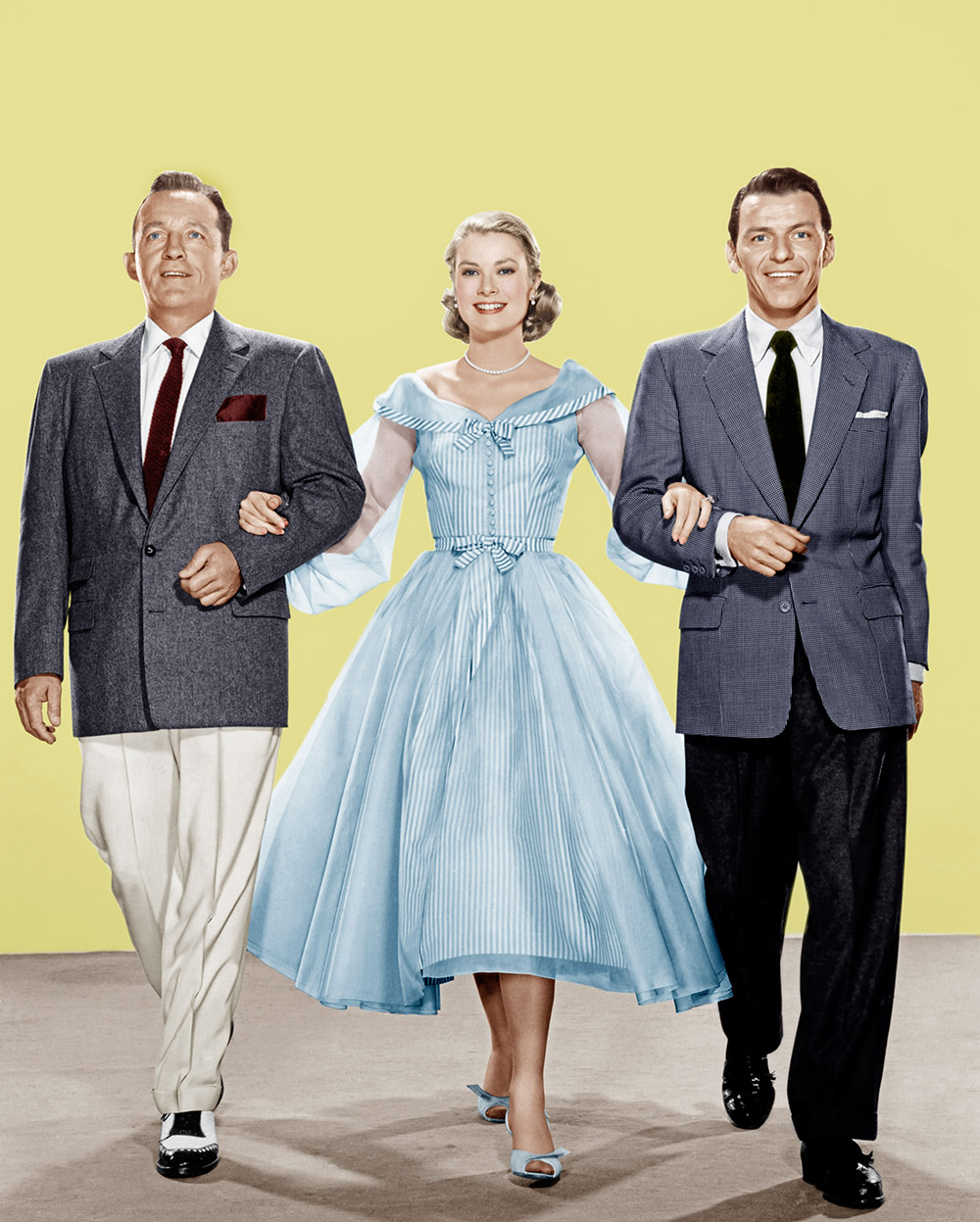
High Society (1956)
Often referred to as the last great musical of the Golden Age of Hollywood, this features an all-star cast including Bing Crosby, Grace Kelly, Frank Sinatra and Louis Armstrong (and his band), along with a memorable score of Cole Porter classics. Set in Newport, Rhode Island, it showcases the Newport Jazz Festival (established in 1954) and includes a remarkable version of Porter’s “Now You Has Jazz.” It offers the first big-screen duet by Sinatra and Crosby, singing “Well, Did You Evah?” This was Kelly’s last movie before she retired from acting and married the Prince of Monaco; she wore her Cartier engagement ring during filming.
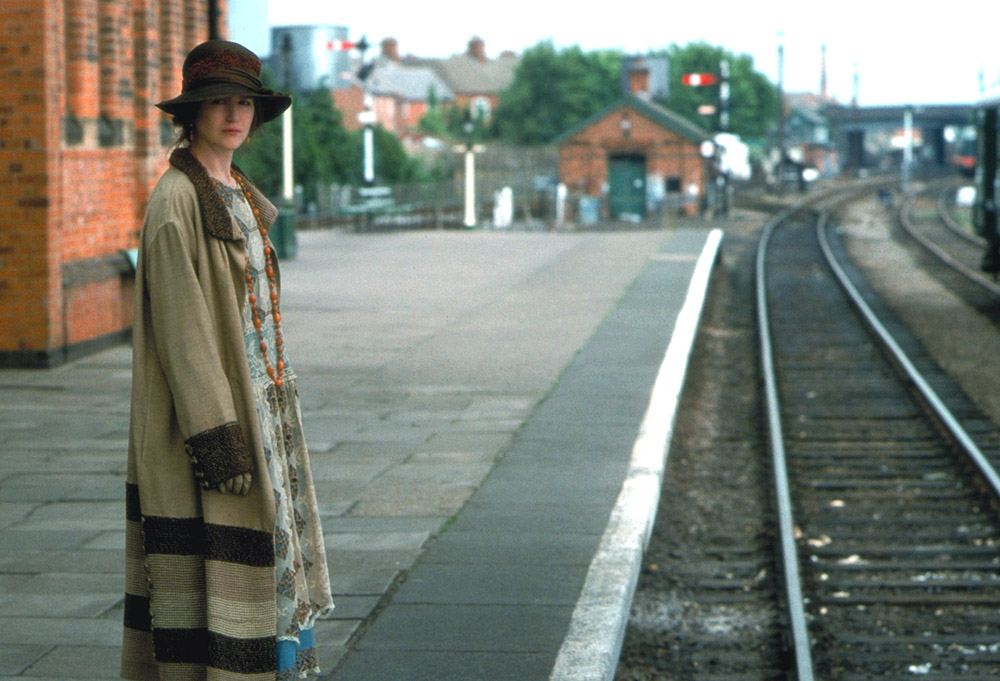
The Hours (2002)
Stephen Daldry weaves the novel Mrs. Dalloway into three women’s stories of loneliness, depression and suicide. Virginia Woolf, played by Nicole Kidman (who won an Oscar for her performance), is working on the novel while struggling with what is now known as bipolar disorder. Laura, played by Julianne Moore (nominated for best supporting actress), is unfulfilled in her life as a 1950s housewife and mother. Clarissa (Meryl Streep) is — like Mrs. Dalloway — planning a party, but for her close friend who is dying of AIDS. The film, based on Michael Cunningham’s Pulitzer Prize-winning novel, received nine Oscar nominations, including the one for best picture.
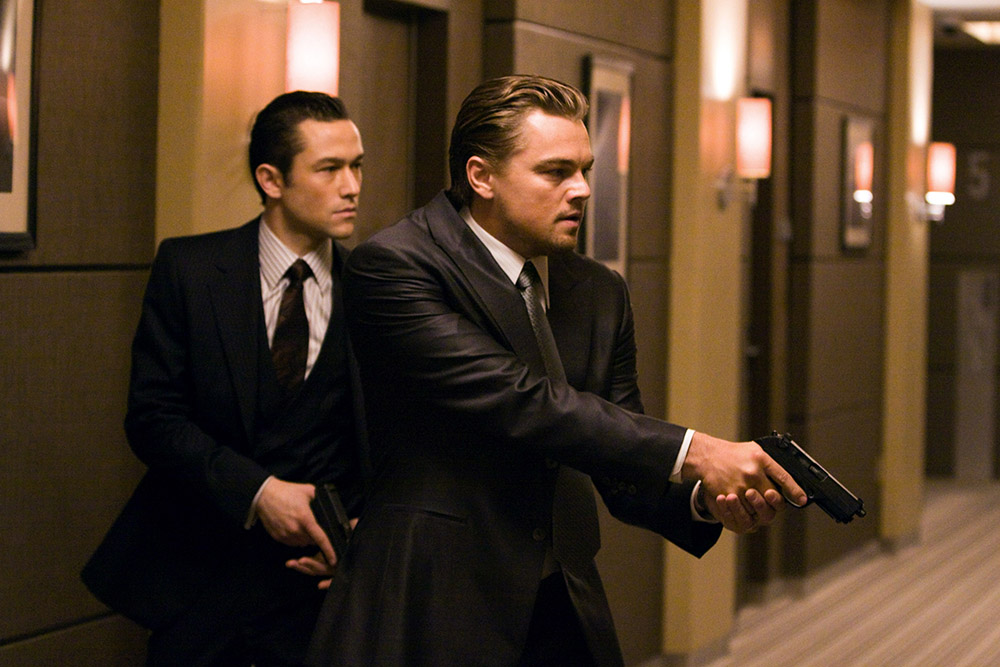
Inception (2010)
Christopher Nolan once again challenges audiences with multiple interconnected narrative layers while delivering thrilling action sequences and stunning visual effects. Inception asks the question, “Can you alter a person’s thoughts by manipulating their dreams?” Taking almost 10 years to write, the film was praised for its aesthetic significance and Nolan’s ability to create scenes using cameras rather than computer-generated imagery. A metaphysical heist drama with an emotional core driven by grief and guilt, Inception offers a meditation on how dreams influence identity, and it resonates deeply in an age of digital simulation, blurred realities and uncertainty. The film earned $830 million at the box office and collected four Academy Awards.
The Incredibles (2004)
With an all-star cast and a memorable soundtrack, this Oscar-winning Pixar hit uses thrilling action sequences to tell the story of a family trying to live normal lives while hiding their superpowers. For the first time, Pixar hired an outside director, Brad Bird, who drew inspiration from spy films and comic books from the 1960s. The animation team developed a new design element to capture realistic human anatomy, hair, skin and clothing, which Pixar struggled with in such early films as Toy Story. The film spawned merchandise, video games, LEGO sets and more. The sequel was also a blockbuster, with both films generating almost $2 billion at the box office.
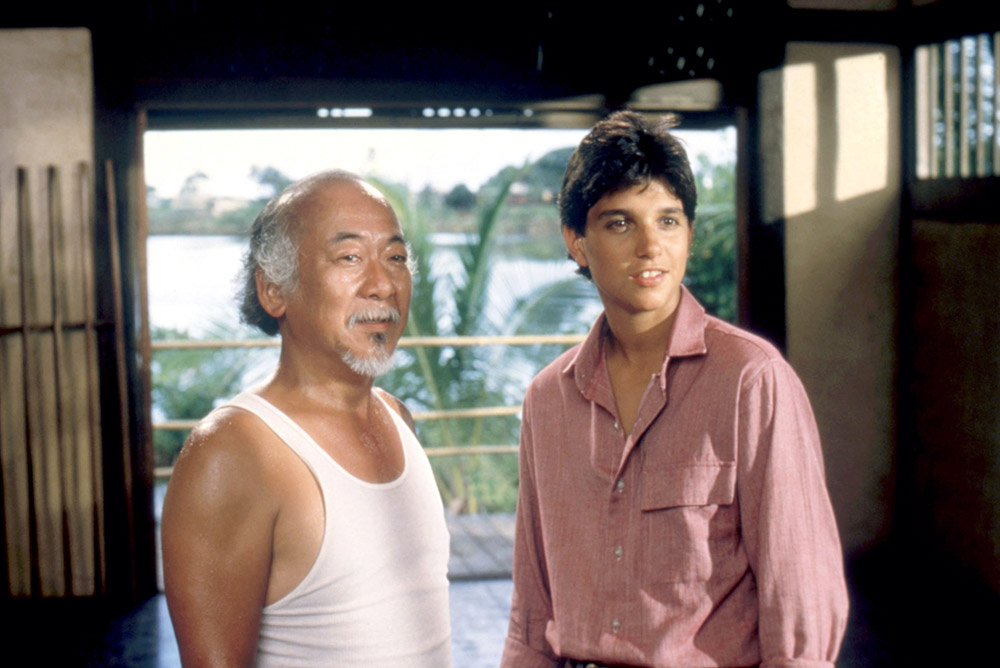
The Karate Kid (1984)
An intimate story about family and friendship, this also succeeds as a hero’s journey, a sports movie and a teen movie — a feel-good picture, but not without grit. It offers clearly defined villains, romance and seemingly unachievable goals, but also an elegant character-driven drama that’s relatable and touching. A father who has lost his son meets the displaced son of a single mother and teaches him about finding balance and avoiding the pitfalls of violence and revenge. Race and class issues are presented honestly and dealt with reasonably. Our hero practices a lot, gets frustrated, gets hurt, but still succeeds. It’s as American as they come, and it’s a classic.
“The magic of Pat Morita as Mr. Miyagi and me as the Daniel LaRusso character, that sort of give and take, that instant soulful magic, was happening from our first meeting,” Ralph Macchio told the Library of Congress. “Those scenes in Miyagi’s yard, the chores, the waxing on of the car, the painting the fences, the sanding the floor, all of that is now a part of cinematic pop culture. For me, the heart and soul of the film is in those two characters.”
The Lady (1925)
When this debuted in theaters, the silent film era had hit its stride, and this represents a powerhouse of artists at their peak. Director Frank Borzage was a well-established expert in drawing out intense expressions of deep emotion and longing in his actors. He did just that with the film’s lead actress, Norma Talmadge, also at the height of her career, both in front of and behind the camera. Talmadge produced The Lady through her production company and commissioned one of the era’s most prolific screenwriters, Frances Marion, to deliver a heartfelt story of a woman seeking to find the son she had to give up in order to protect him from his evil grandfather. The Lady was restored by the Library of Congress in 2022.
The Loving Story (2011)
Buirski’s acclaimed documentary gives an in-depth and deeply personal look at the true story of Richard Loving (a white man) and Mildred Loving (a Black and Native American woman) who were forbidden by law to marry in the state of Virginia in the 1960s. Their Supreme Court case, Loving v. Virginia, was one of the most significant in history and paved the way for future multiracial couples to wed. The movie captures the immense challenges the Lovings faced to keep their family and marriage together through a combination of 16mm footage, personal photographs, accounts from their lawyers and family members and audio from the Supreme Court oral arguments.
The Maid of McMillan (1916)
Known to be the first student film on record, this whimsical, silent romance was shot on campus in 1916 by students in the Thyrsus Dramatic Club at Washington University in St. Louis. Club members Donald Stewart (class of 1917) and George D. Bartlett (class of 1920) wrote the screenplay. The original nitrate print was rediscovered in 1982, and two 16mm prints were made; the original nitrate was likely destroyed at this time. In 2021, with funding from the National Film Preservation Foundation, one of those 16mm prints was scanned at 4k and reprinted onto 35mm, helping to secure the film’s survival and legacy.
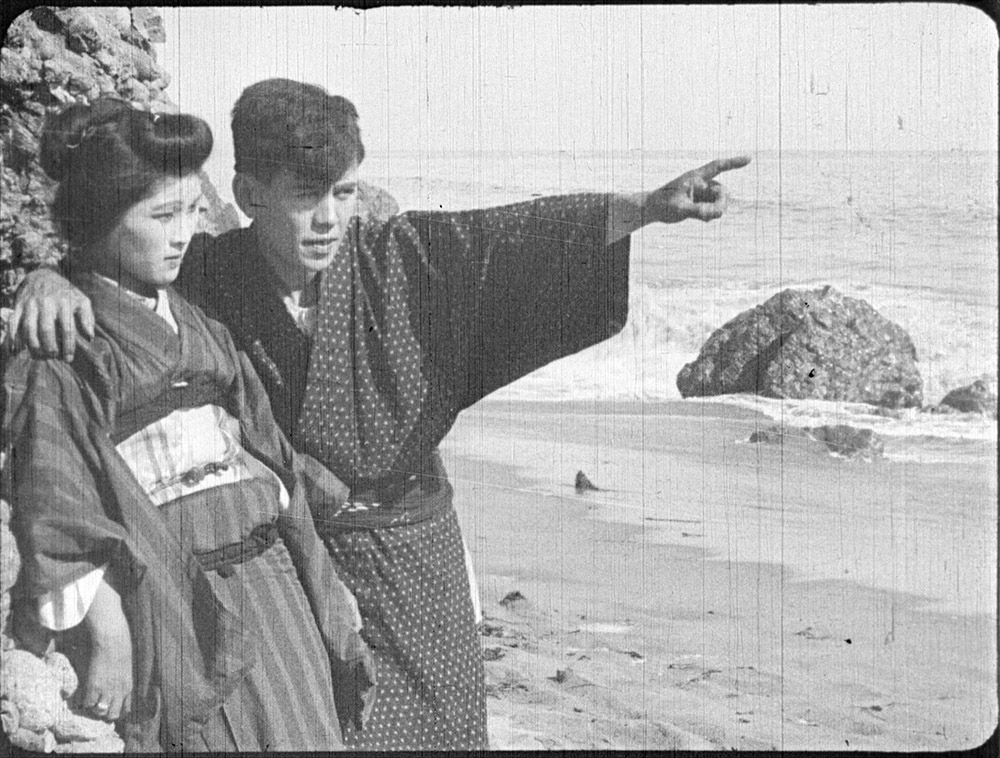
The Oath of the Sword (1914)
A three-reel silent drama, this depicts the tragic story of two young lovers separated by an ocean. Masao follows his ambitions, studying abroad at the University of California, Berkeley, while Hisa remains in Japan, caring for her ill father. This earliest known Asian American film production featured Japanese actors playing Japanese characters and was produced by the Los Angeles-based Japanese American Film Co. Made when Hollywood studios were not yet the dominant storytellers of the American film industry, The Oath of the Sword highlights the significance of early independent productions created by and for Asian American communities. James Card, the founding curator at the George Eastman Museum, acquired The Oath of the Sword in 1963. The museum made a black and white photochemical preservation in 1980. In 2023, a new preservation reproducing the original tinting was done in collaboration with the Japanese American National Museum, and the film has become widely admired.
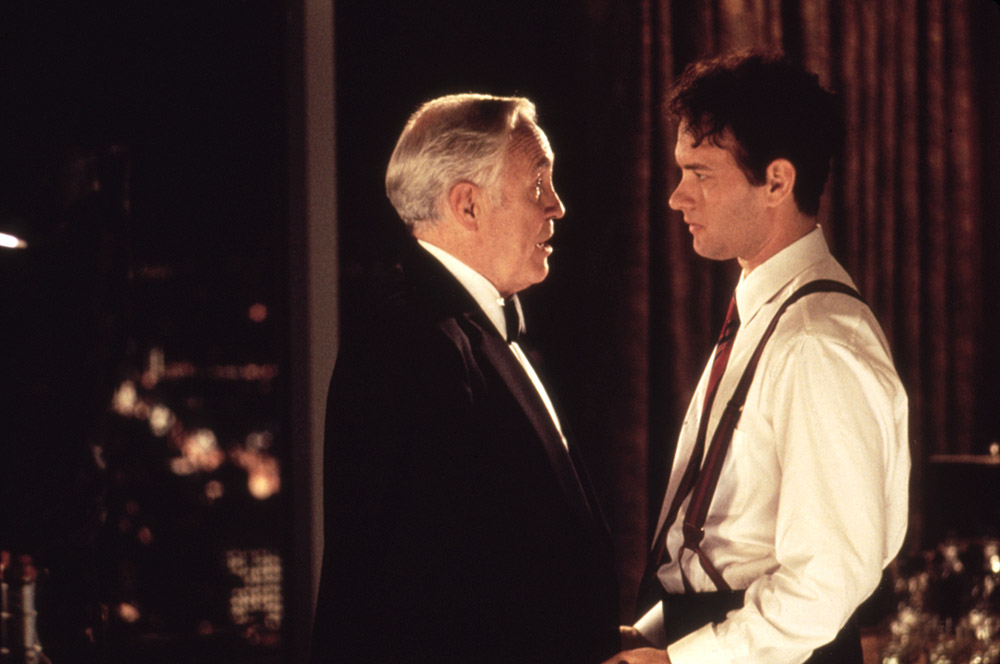
Philadelphia (1993)
This stars Tom Hanks in one of the first mainstream studio movies to confront the HIV/AIDS crisis. In the film, law partner Andrew Beckett (Hanks) is fired when it’s discovered that he’s gay and has AIDS. He hires personal attorney Joe Miller (Denzel Washington) to help him with litigation against his former employer. Director Jonathan Demme was quoted as saying, “The film is not necessarily just about AIDS, but rather everyone in this country is entitled to justice.” The film won two Oscars: one for Hanks and the other for Bruce Springsteen’s “The Streets of Philadelphia”; the song’s mainstream radio and MTV airplay brought the film and its conversation around the HIV/AIDS pandemic to a wider audience.
Say Amen, Somebody (1982)
Nierenberg’s documentary is a celebration of the historical significance and spiritual power of gospel music. With inspirational music, joyful songs and brilliant singers, it focuses on the men and women who pioneered gospel music and strengthened its connections to African American community and religious life. Before production, Nierenberg, who is white, spent more than a year in African American churches and communities, gaining the trust of the performers. Restored by the Smithsonian’s National Museum of African American History and Culture in 2020, the film features archival footage, photographs, stirring performances and reflections from the father of gospel Thomas A. Dorsey and its matron Mother, Willie Mae Ford Smith. Nierenberg shows the struggles and sacrifices it takes to make a living in gospel, including criticism endured by women who sought to pursue careers as professional gospel singers while raising families.
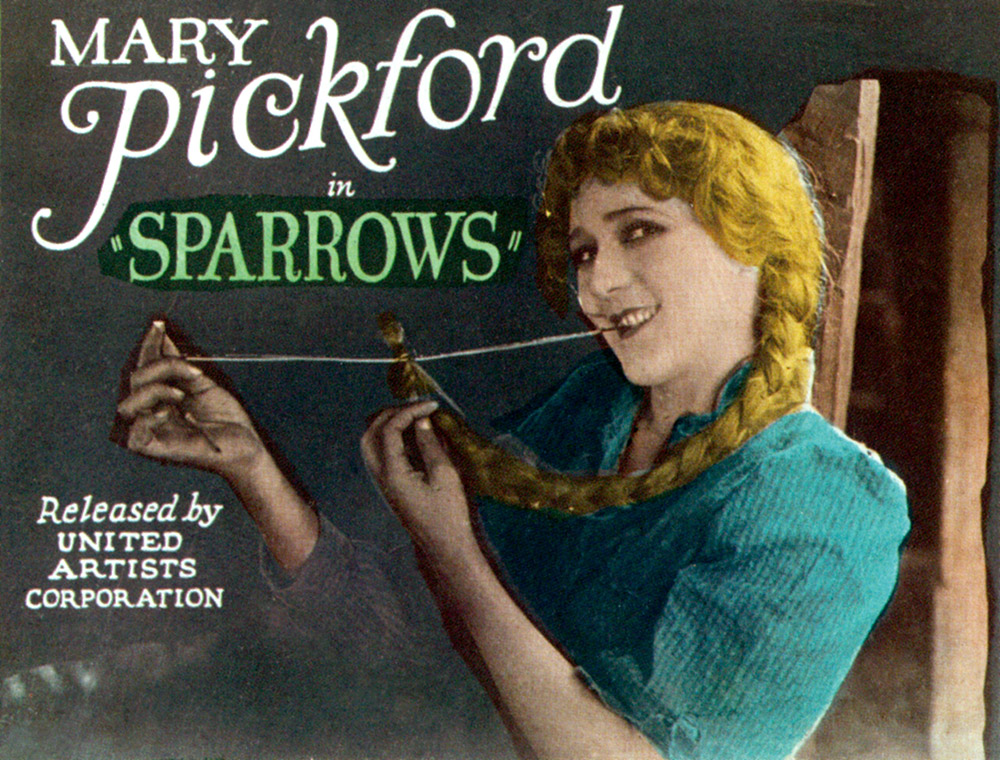
Sparrows (1926)
As a silent actress, producer and American film industry pioneer, Mary Pickford in Sparrows represents her ability to master the genre she helped nourish: sentimental melodramas full of adventure and thrills, with dashes of comedy and heartfelt endings. Pickford plays Molly, the eldest orphan held within the swampy squalor of the Deep South, who moves heaven and earth to save the other orphan children from a Dickensian world of forced labor. The film takes some departures from the visual styles found in Pickford’s other films, invoking an unusual tone of despair while deploying camera angles and lighting akin to German Expressionist cinema. Sparrows was preserved by the Library of Congress in collaboration with the Mary Pickford Co. in 2020.
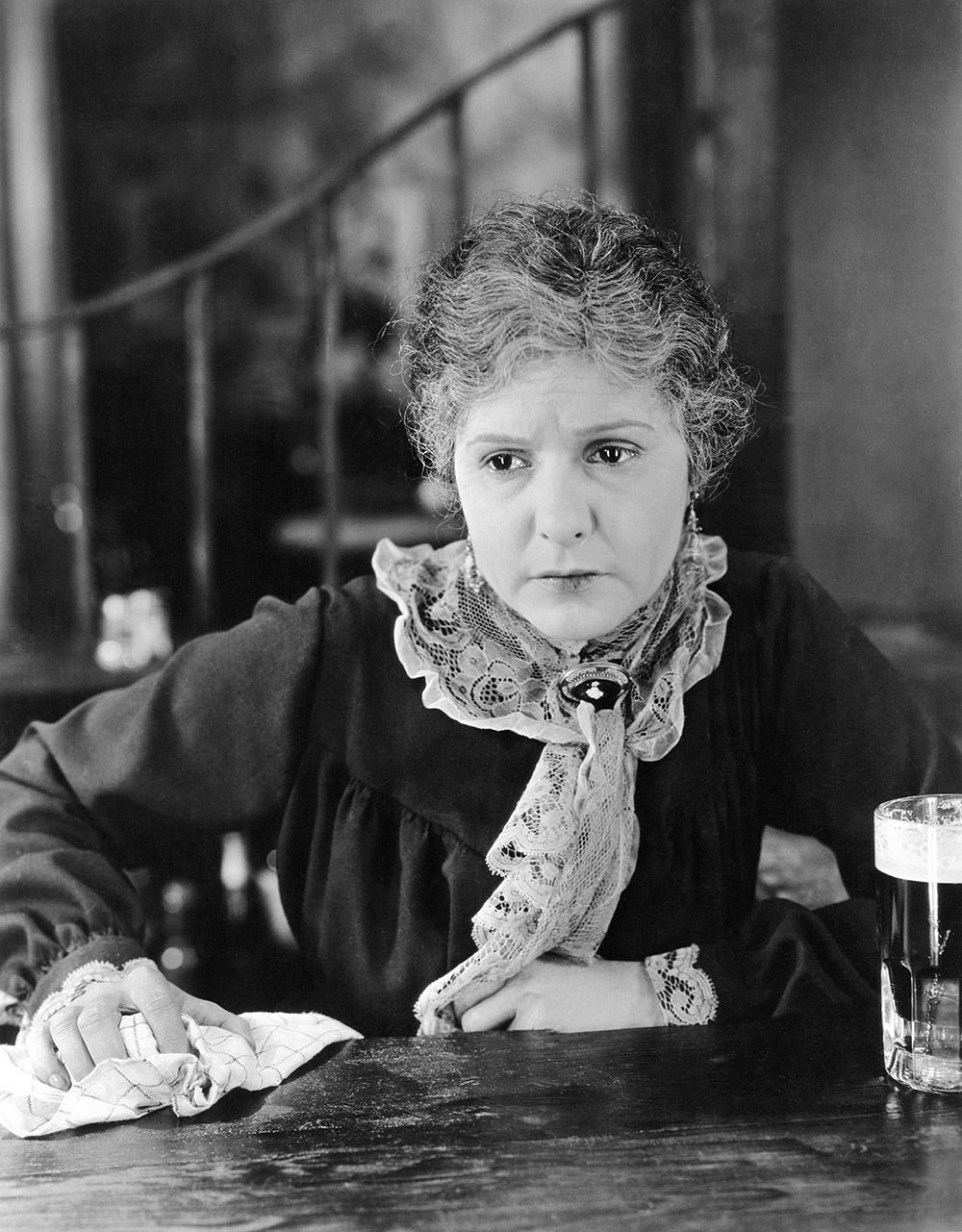
Ten Nights in a Barroom(1926)
Featuring an all-Black cast, this was produced in 1926 by the Colored Players Film Corp. of Philadelphia and is the earliest of only two surviving films made by the company. The silent picture is based on the stage melodrama adapted from the 1854 novel Ten Nights in a Bar-Room and What I Saw There by Timothy Shay Arthur. Released in 2015 by Kino Lorber as part of the five-disc set Pioneers of African-American Cinema, the compilation was produced by the Library of Congress in association with the British Film Institute; George Eastman Museum; Museum of Modern Art; National Archives; Smithsonian’s National Museum of African American History and Culture; Southern Methodist University; and the UCLA Film & Television Archive. Preserved by George Eastman Museum.
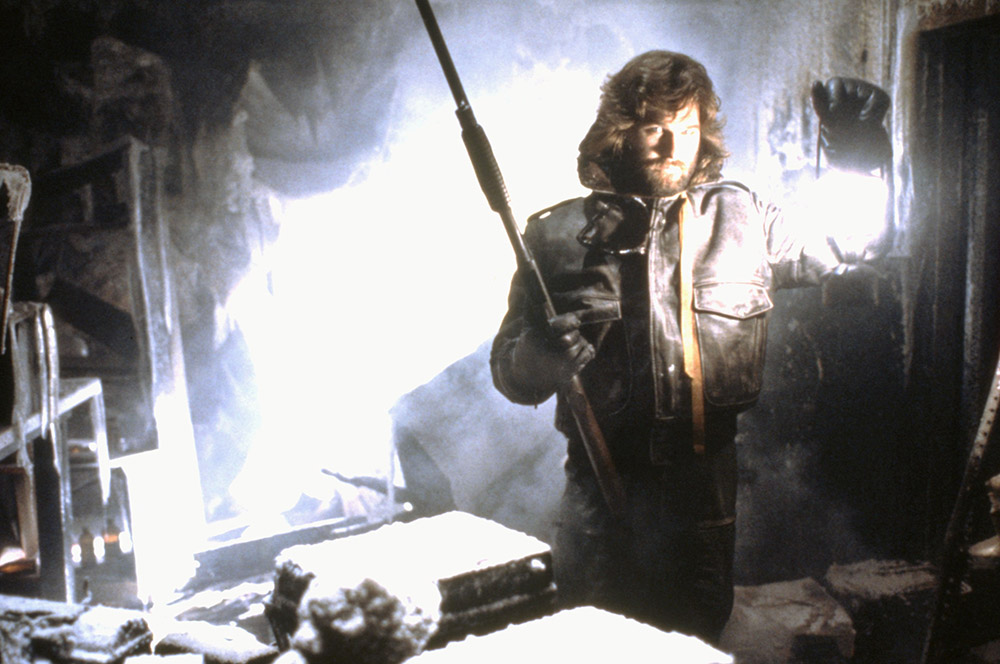
The Thing (1982)
Moody, stark, often funny and always chilling, this science fiction horror classic from John Carpenter follows Antarctic scientists who uncover a long-dormant, malevolent extraterrestrial presence. The Thing revolutionized horror special effects and offers a brutally honest portrait of the results of paranoia and exhaustion when the unknown becomes inescapable. It deftly adapts John W. Campbell’s 1938 novella Who Goes There?, influenced Stranger Things and Reservoir Dogs and remains a tense, thrilling and profoundly unsettling work of cinema.
The Tramp and the Dog (1896)
This silent from Chicago’s Selig Polyscope Co. is considered director William Selig’s most popular early work. Filmed in Rogers Park, it is recognized as the first commercial film made in Chicago. Previously lost, it was rediscovered in 2021 at the National Library of Norway. It depicts a tramp who attempts to steal a pie from a backyard windowsill, only to be foiled by a broom-wielding housewife and her dog. This is one of the first known examples of “pants humor,” where a character loses (or almost loses) his pants during an altercation. The scene inspired future comedy gags showing drifters and tramps losing their pants to dogs chasing them.
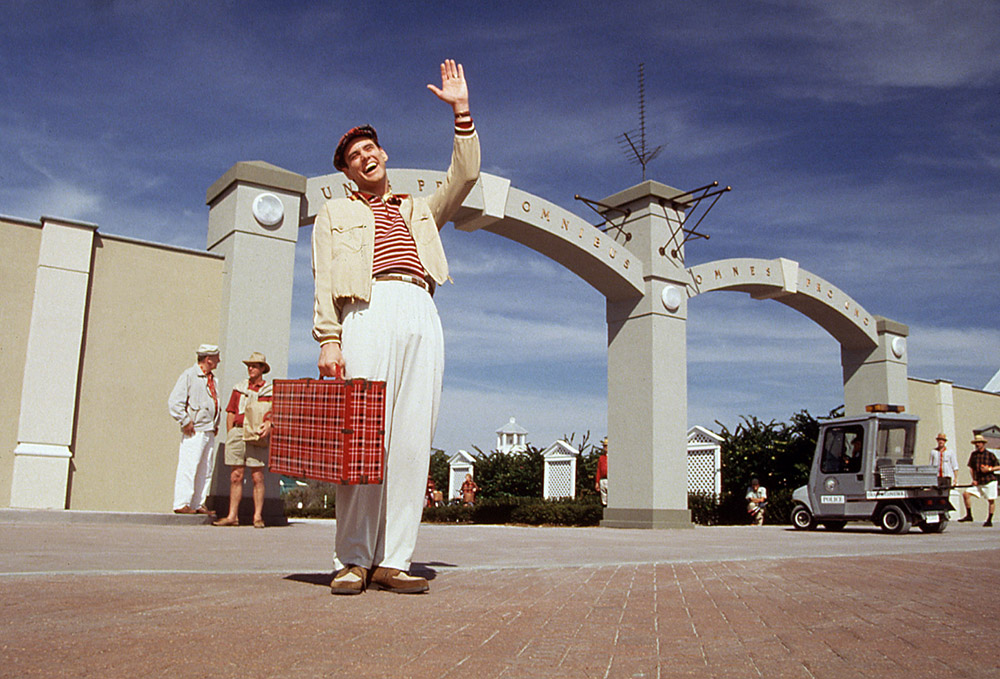
The Truman Show (1998)
Before social media and reality TV, there was Peter Weir’s The Truman Show. Jim Carrey breaks from his usual comedic roles to star in this drama about a man who, unbeknownst to him, is living his life on a soundstage filmed for a popular reality show. Adopted at birth by a television studio, Truman Burbank grew up in the (fictitious) town of Seahaven Island with his family and friends (paid actors) playing roles. Cameras are all over the soundstage and follow his activities 24/7. Almost 30 years since its release, this continues to be a study in sociology, philosophy and psychology and has inspired university classes on media influence, the human condition and reality television.
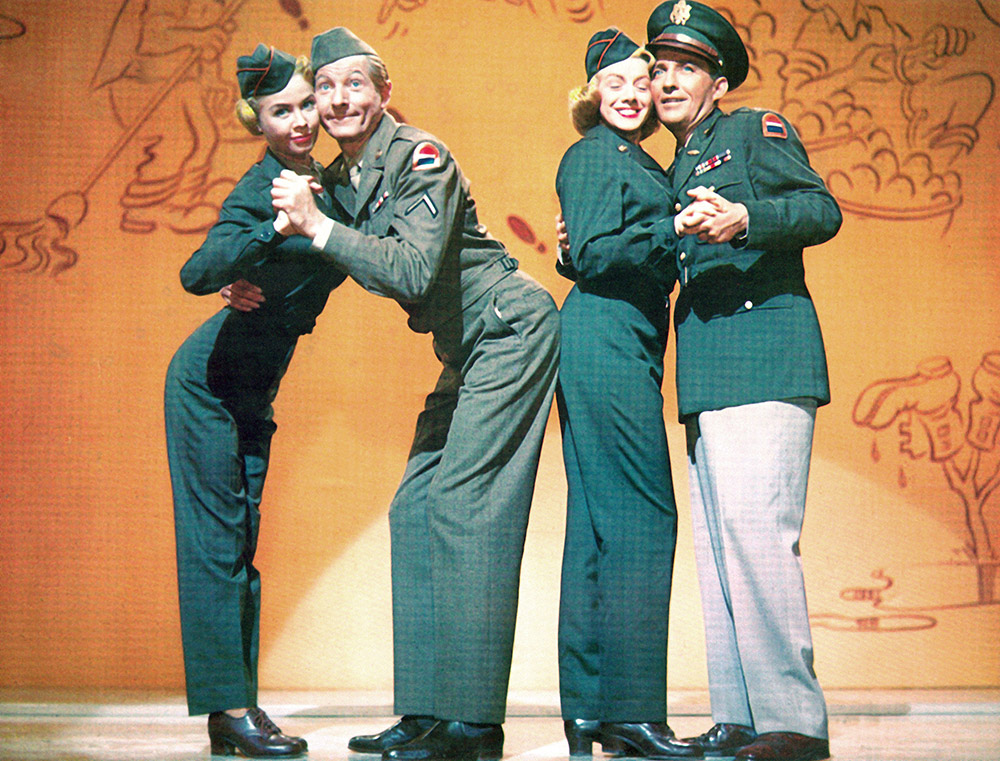
White Christmas(1954)
While the chart-topping song “White Christmas” was first performed by Crosby for Holiday Inn, its composer, Irving Berlin, was later inspired to center the song in this musical film. Crosby, along with Danny Kaye, Rosemary Clooney, Vera-Ellen Rohe and director Michael Curtiz, embedded “White Christmas” in American popular culture as a best-selling single and the top-grossing film of 1954, as well as regular holiday viewing throughout the decades. The story of two World War II veterans-turned-entertainers and a singing sister act preparing a show for a retired general, the film and its grand musical numbers were captured in VistaVision, the widescreen process developed by Paramount Pictures and first used for this movie.
The Wrecking Crew (2008)
This documentary showcases a group of Los Angeles studio musicians who played on hit songs and albums of the 1960s and early ’70s, including “California Dreamin’,” “The Beat Goes On,” “You’ve Lost That Lovin’ Feeling” and “These Boots Are Made for Walkin’.” Through interviews, music, footage and his own narration, director Tedesco reveals how the Wrecking Crew members — including his father, guitarist Tommy Tedesco — were the unsung heroes of some of America’s most famous songs. Production on the film began in 1996, and the film was completed in 2008. Because of the high cost of song licenses, the official release was delayed until 2015, when a Kickstarter campaign raised more than $300,000 to pay for the music rights.