Some years ago, Adrian Chiarella started hearing wild tales of exorcisms performed on queer teenagers from all over the world. One close friend told the Australia native about being taken to a Taoist priest who “mimed cutting the queerness off him with a knife.” Chiarella hadn’t experienced anything quite like that, but as a young gay man, he grew up deeply afraid of forces that were hard to place — and thus felt a draw to these horrific stories. “I wanted to interrogate where that fear comes from and why it affects us so deeply,” he says. “It felt right for a horror movie.”
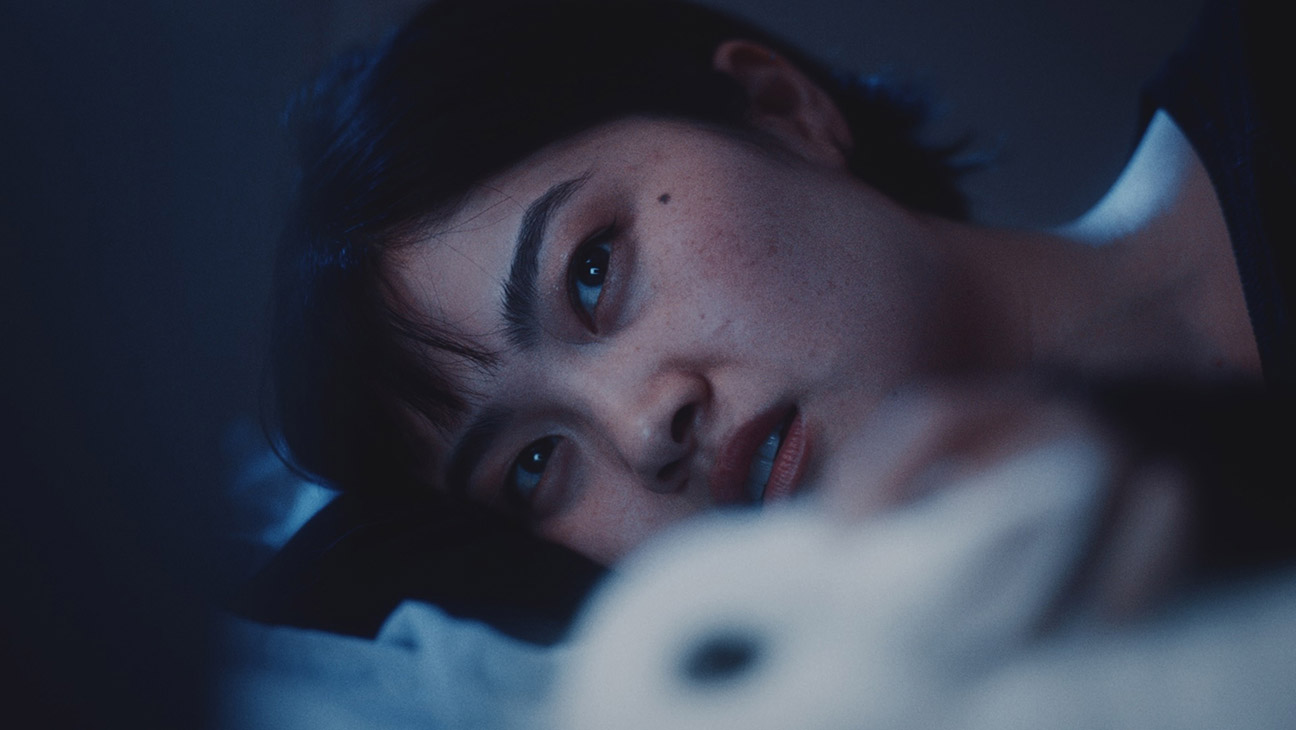
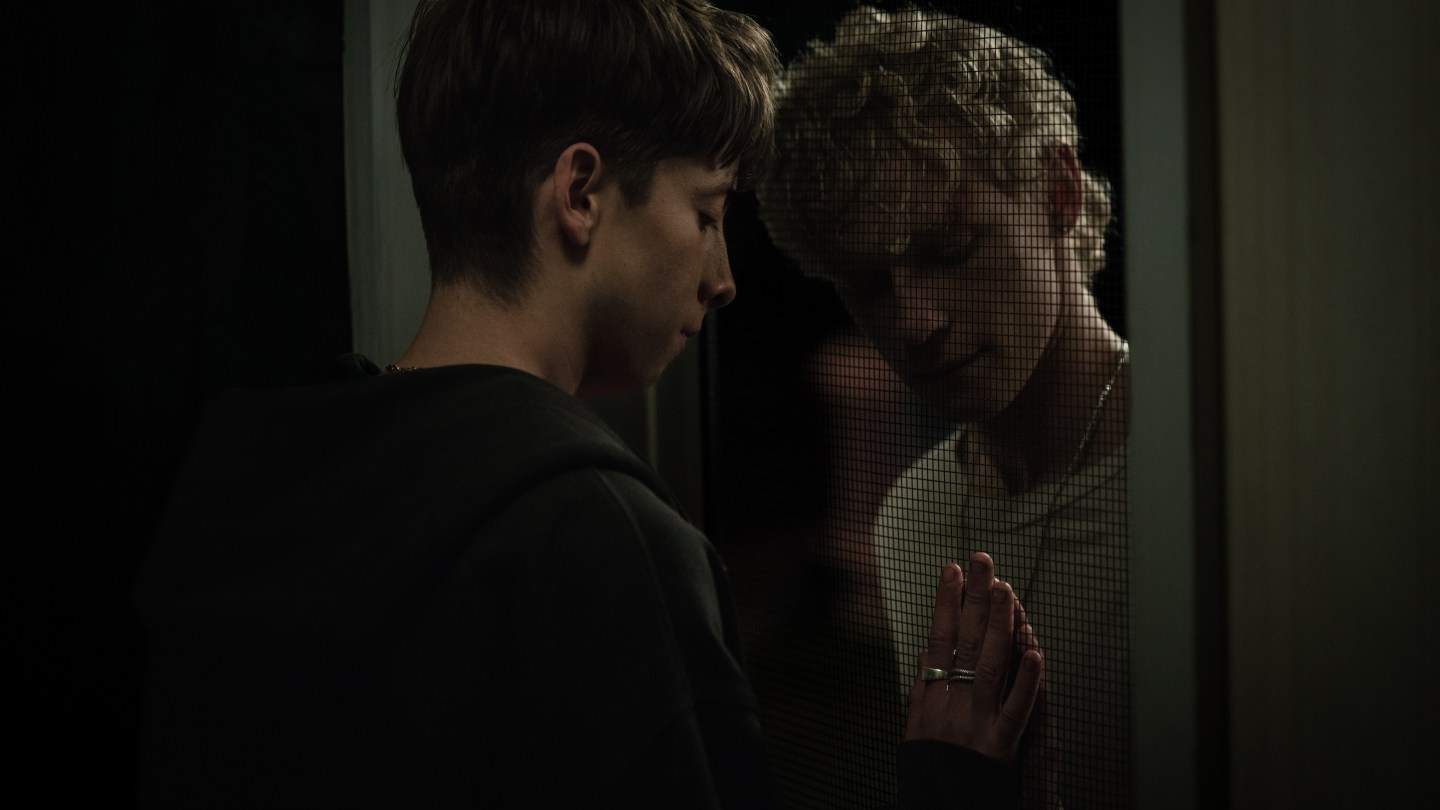
Enter Leviticus, Chiarella’s debut feature, premiering Jan. 23 in Sundance‘s Midnight section. The film follows Naim (Talk to Me‘s Joe Bird), a quiet teenager who moves with his single mother (Mia Wasikowska) to a remote Australian town defined by its fanatical religious community. After his brief, sweet romance with schoolmate Ryan (Stacy Clausen) gets exposed, Naim is subjected to a most extreme version of conversion therapy that leaves him haunted, literally — by an entity taking the form of the very person with whom he’s falling in love.
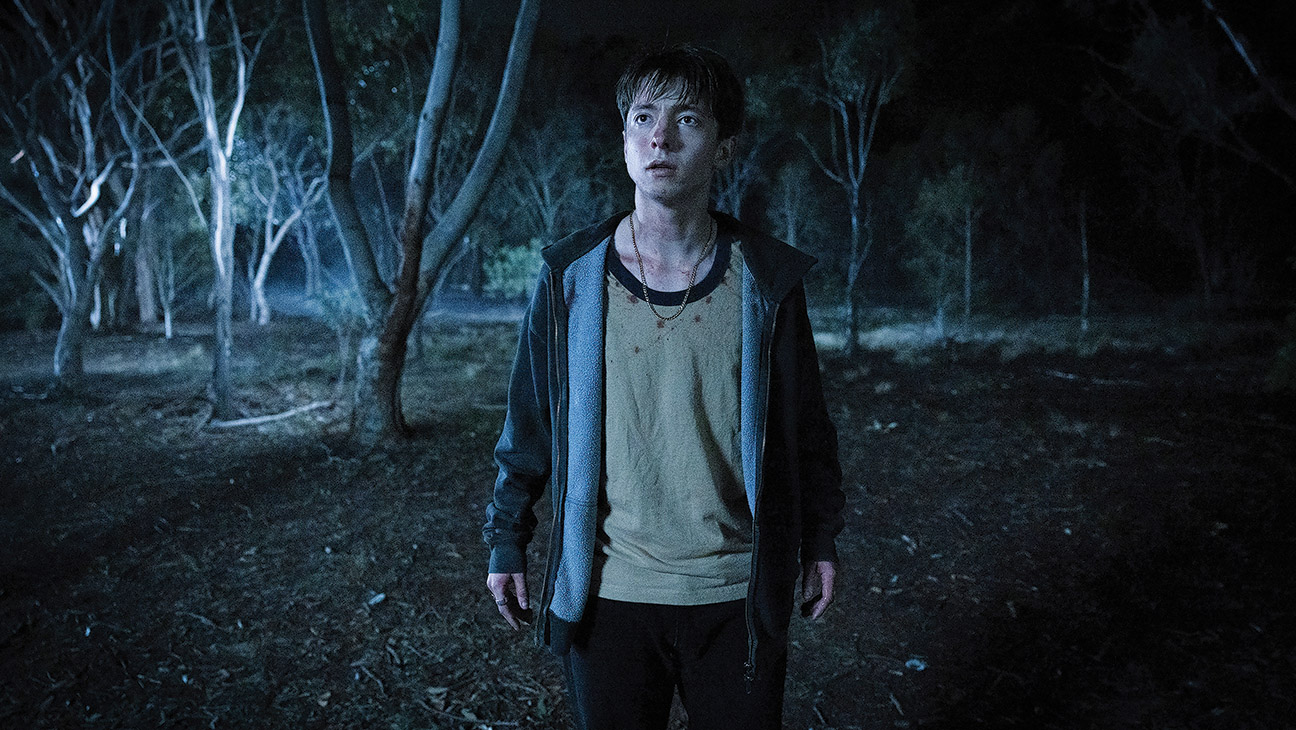
The mechanics of this brutal twist speak starkly to the effects of conversion therapy, from physicalized terror to self-loathing. Chiarella spoke extensively to those with firsthand experience. “As I got deeper and deeper into figuring out, ‘How do I turn this into a horror movie without making it feel like the queerness is the monster?’ — which is an easy trap to fall into — I asked myself, ‘What am I actually trying to say here?’ ” the director says. “A horror movie needs to have some sort of monster in it. That’s the archetype. Eventually I landed on this idea that the monster is this thing that takes the form of the person you’re most attracted to.”
But Chiarella, who got his start as an editor working under Baz Luhrmann and other noted filmmakers before pivoting to directing shorts a decade ago, was careful not to take any shortcuts in fashioning a rigorous (if still plenty terrifying) exploration of sexuality and homophobia. “We’ve seen a lot of horror movies about trauma in the last decade or so, but I don’t know that anyone’s really explored this kind of trauma in this genre,” he says. “The core of most great horror movies is not, ‘I might get scared,’ but the sense that I’m hurting the person I love. … I always wanted this to be about two teenagers in love, wrapped around that idea.”
Below, about a week out from Sundance, Chiarella explains how he pulled that off — with some jumpscares to boot.
Are you ready for Sundance? Where are you in the process?
I’m sitting in a sound studio in Melbourne, putting the last finishing touches on everything. It’s going to be a real race to the finish, but worth it. I’m very excited for Sundance. As long as I’ve been interested in filmmaking, I’ve known about Sundance. It’s got that status amongst all filmmakers and I know how special this one is going to be.
Given the origins of this project, and the very real issues it contends with, can you talk about why you made it a horror movie? It’s pretty terrifying to watch at times.
As I started writing more and more, bringing into my own experiences as a gay man, I thought about the fact that sometimes when we’re young and we’re discovering these new feelings, that can be a bit scary. I’ve always been interested in horror. My interest in horror comes from the fact that I have this quite multicultural family: I have a Chinese mother and an Italian father, and I think when I was a young kid trying to tell stories to my extended family, I just knew that certain stories would translate better than others. If I tried to tell a funny joke to my mom’s side of the family, the joke might not land on my dad’s side of the family — but scary stories always worked. If I talked about being scared that someone was maybe following me in the street, I always knew I’d have the listener in the palm of my hand. I knew from a young age that horror movies, scary stories, are really universal.
How did it all come together where you had the resources to make this?
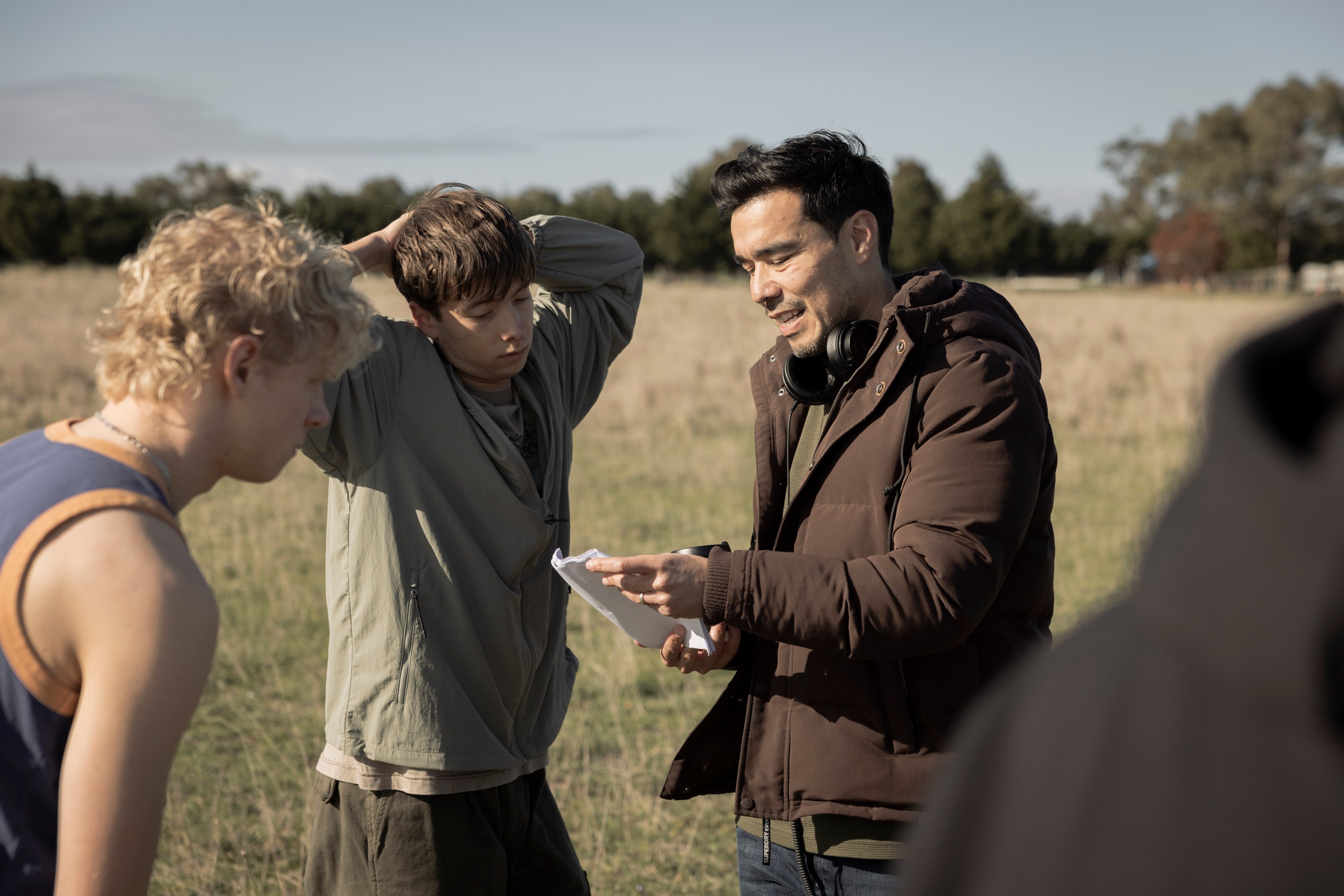
I started out as an editor…and worked on little short films in my spare time. I was learning from emerging directors who were making their first films and learning from their early mistakes, trying things out and being very experimental with their work. When you work as an editor, you get to work at the part of the process where everyone reflects on what really works and what doesn’t work in the film. About 10 years ago, I started directing my own short films. One of my earliest short films was shortlisted for a round of funding through one of our state-funding bodies here [in Australia]. And Sam [Jennings] and Kristina [Ceyton] from Causeway were on the panel for the selection committee; I actually wasn’t successful in that round for getting funding for my short film, but Sam and Kristina did pull me up later and say, “We really love your ideas. We’d like to work with you one day.” I remember at the time thinking, oh, that’s just industry babble. But sure enough, about two years ago, they called me up and said, “What are you working on?” I said, “I have this script called Leviticus.”
How did you balance the emotional, thematic elements with the scary?
What I discovered was these institutions are always trying to scare people out of their own feelings. Once I had that, I started thinking about who my main character was and why he was in the world that he was in. Those ingredients just came together quite easily once I figured out that the monster took the form of the person that you’re most attracted to, and that there were going to be two boys who fall in love in the midst of all that.
It’s set in this creepy, isolated community. How did you build that world?
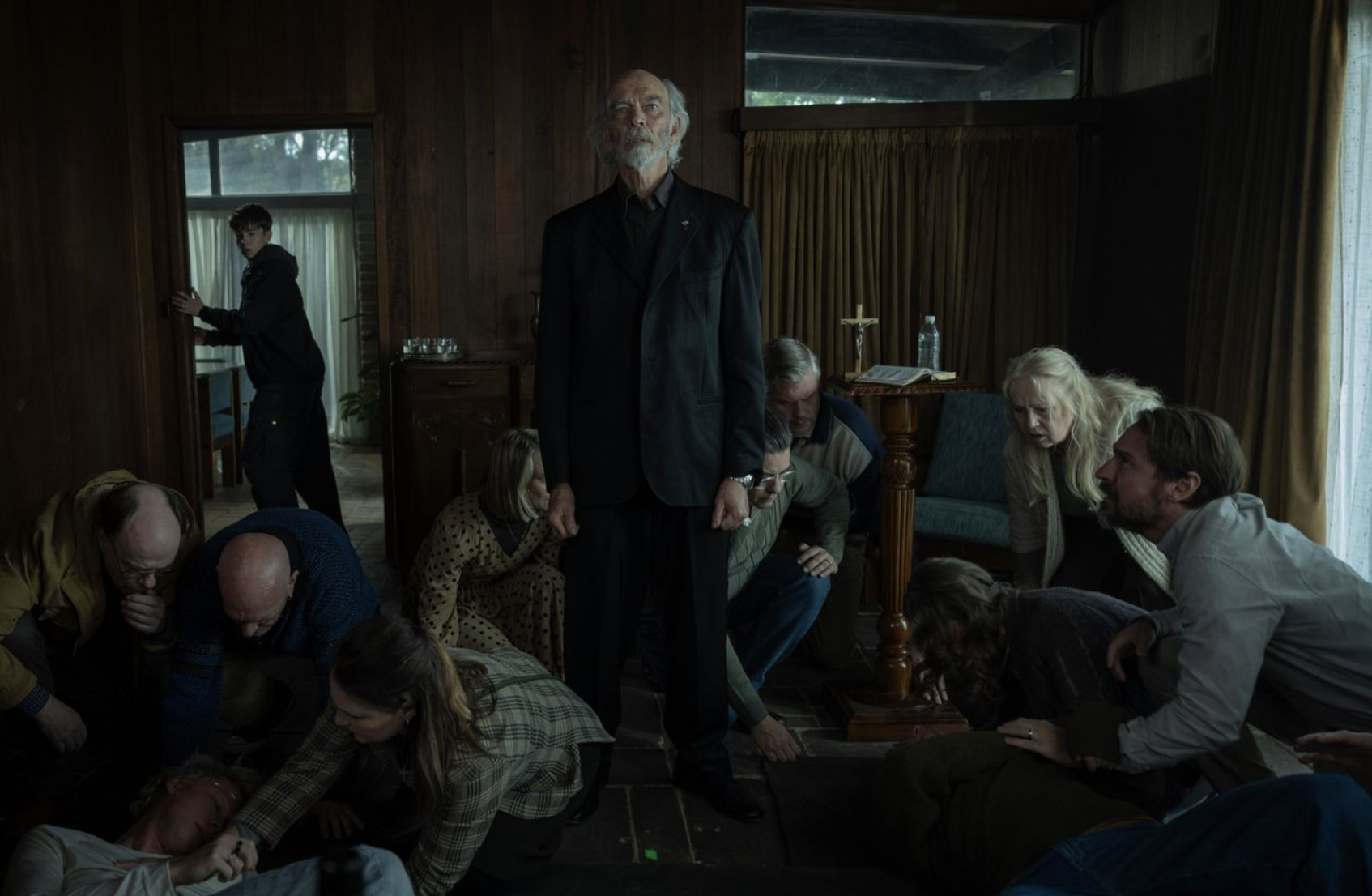
I have atheist parents, but in our extended family, there’s a lot of religion and a lot of Christianity, as you can imagine with an Italian father and a Chinese mother. But actually the world of this film came out of my research in Australia. We have a lot of Pentecostal communities all across Australia; the research for this drew me to that. And I knew that Arlene, the character that Mia [Wasikowska] plays, was going to be someone moving away from a life after some sort of trauma to get away from all of that and move to a community like the one in the film. And so that sort of was the starting point.
I wanted a slightly sort of industrial landscape — these towering factories and refineries, and that at the center of it all would be this cinder-block structure. We wanted to avoid the stained-glass aesthetic for the church in this film. I did all of that because I wanted there to be the sense of manmade structures, and I wanted the audience to question these edicts that we live by. Are they really part of some spiritual part of the universe?
Do you have any horror touchstones here?
Growing up, I really loved Halloween. I was a big [John] Carpenter fan. Nightmare On Elm Street is the franchise that I would always sneak over to the television and watch when my parents told me not to. The Shining was another one. But actually, I have this really deep connection, weirdly, to Japanese horror movies. I’m a huge, huge, huge fan of Kiyoshi Kurosawa, and even though it’s a very different film, his film Cure is a big influence on this movie. I kind of can’t explain why. it’s something tonal that’s in there.
For more news, reviews, video interviews and more from the Sundance Film Festival, visit The Hollywood Reporter’s Sundance hub.
This story appeared in the Jan. 15 issue of The Hollywood Reporter magazine. Click here to subscribe.