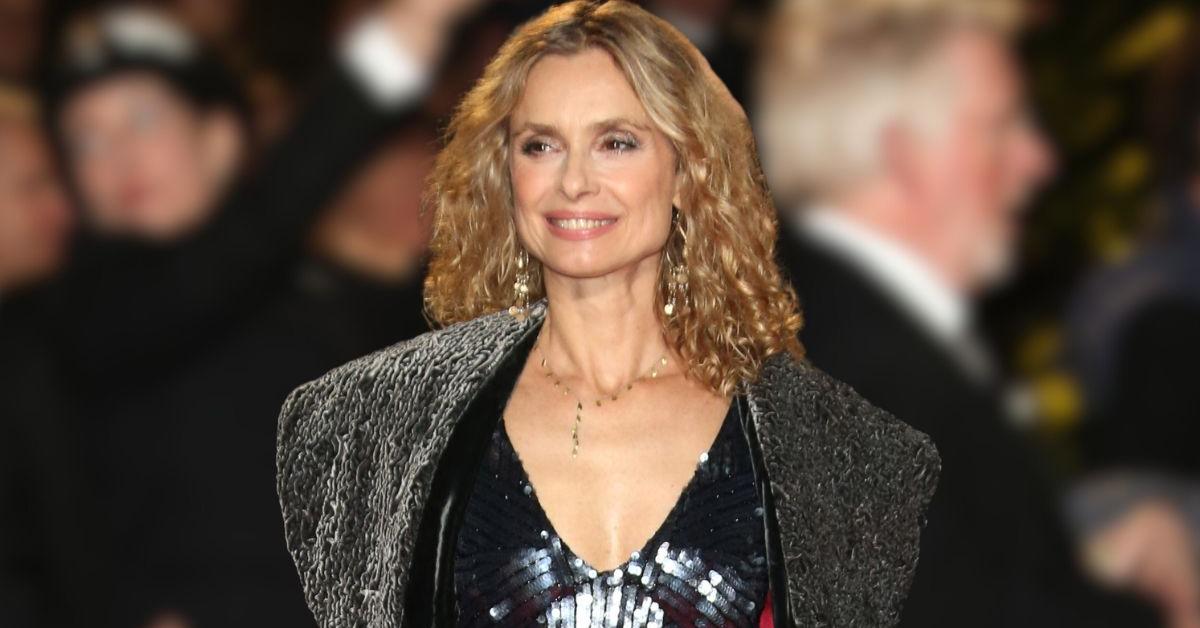
RadarOnline.com can reveal Maryam d’Abo has ignited a new culture war around James Bond after declaring 007 should remain a white man, thrusting the long-running franchise back into a debate over race, tradition, and who gets to inherit Britain’s most famous spy.
D’Abo, 65, who played Bond girl Kara Milovy opposite Timothy Dalton in the 1987 film The Living Daylights, made the remarks while discussing who should replace Daniel Craig as the super-spy.
Maryam d’Abo Defends Ian Fleming’s Original James Bond Vision
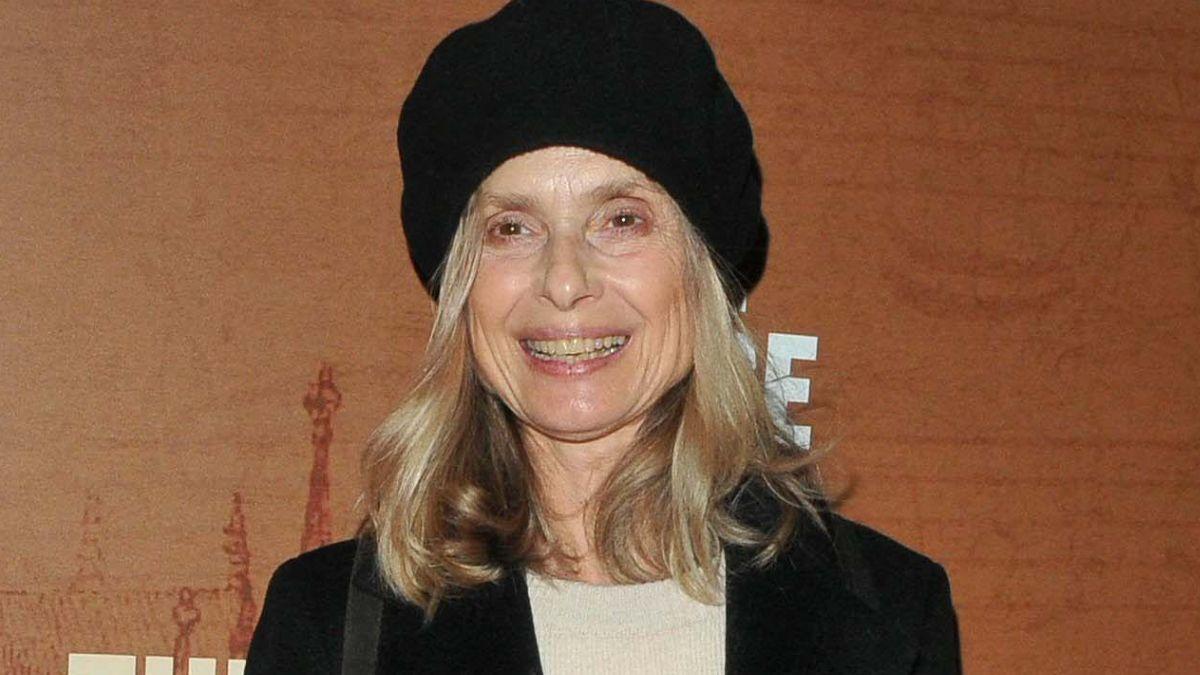
Former Bond girl Maryam d’Abo declared that James Bond should remain a white man.
The French- and Swiss-raised actress said she believed the character should remain faithful to writer Ian Fleming’s original vision.
Her comments come as producers prepare the next installment in the 007 franchise, to be directed by Denis Villeneuve, with a screenplay by Steven Knight, creator of Peaky Blinders.
Barbara Broccoli and her half-brother, Michael Wilson, last year sold the franchise to Amazon in a reported billion-dollar deal, relinquishing creative control while remaining co-owners.
Asked whether a black actor could take on the 007 role, D’Abo declared, “Then don’t call it Bond. Call it something else. You can have a wonderful black hero, but then don’t call him James Bond.”
She added, “Personally, I would respect Ian Fleming’s books and keep James Bond being English and working for His Majesty’s Secret Service.”
Bond Franchise At a ‘Crossroads’ Over Diversity Debate
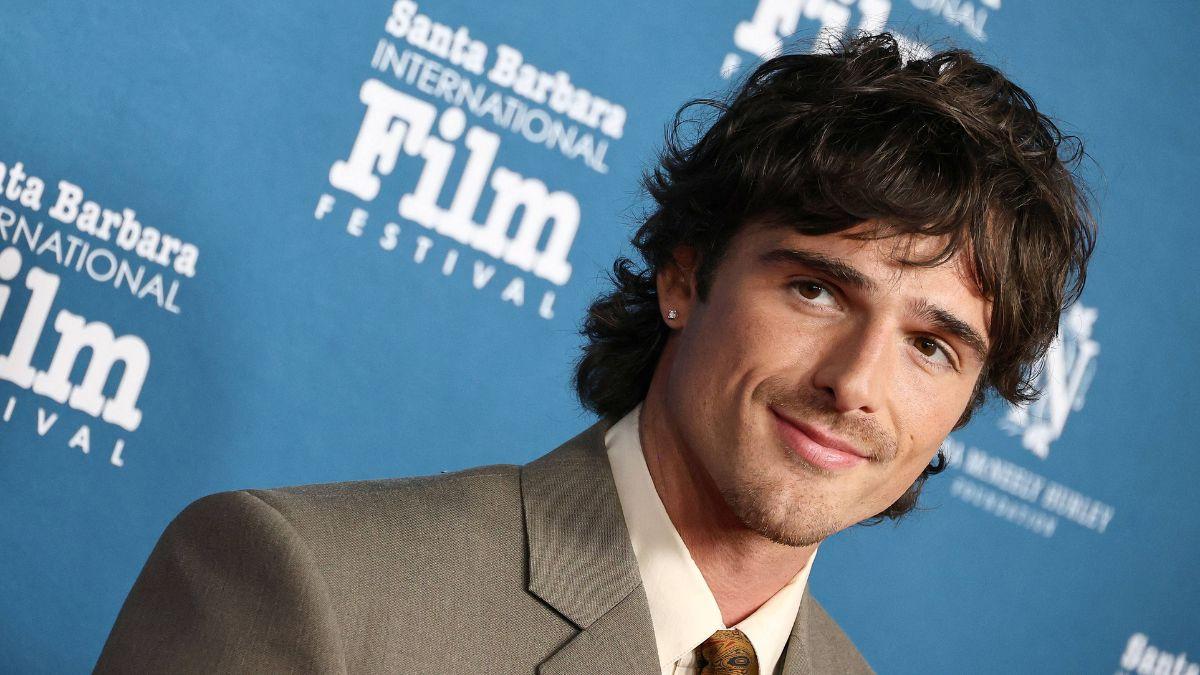
D’Abo signaled her support for Australian actor Jacob Elordi as the next 007.
An industry source close to the production said the remarks had caused unease.
“There is a real sense that the franchise is at a crossroads,” the insider told us. “Some believe Bond should evolve to reflect modern Britain, while others feel strongly about preserving the character as originally written. Maryam’s comments have poured fuel on an already sensitive conversation.”
D’Abo also signaled support for Australian actor Jacob Elordi to become the next Bond.
“He is Australian, but so what?” she said, suggesting nationality was less important than fidelity to Fleming’s conception.
In The Living Daylights, D’Abo’s character Milovy, a cellist entangled with the KGB, becomes romantically involved with Bond after he spares her life during a mission in Bratislava.
Casting Speculation Surrounds Aaron Pierre and Idris Elba
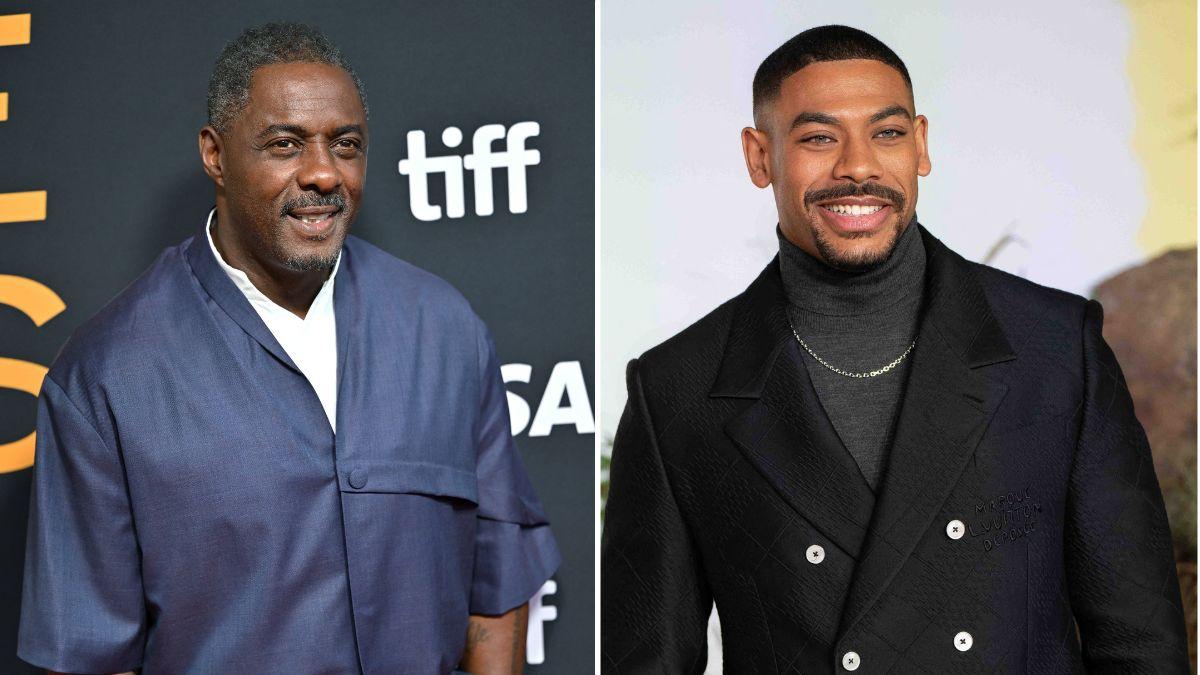
While Idris Elba was a fan-favorite for years, Aaron Pierre has emerged as a new contender to inherit the role of 007.
The debate over Bond’s future has intensified in recent years.
Broccoli previously said the next Bond “will be a man” and “will likely be in his 30s” – but stressed “whiteness is not a given.”
Black British actor Aaron Pierre, known for voicing Mufasa in Mufasa: The Lion King, has been tipped as a recent contender to take on the role.
Idris Elba was long considered a favorite among fans, though his age may now count against him.
Another source familiar with the casting discussions said: “There’s pressure from multiple directions – commercial, cultural, and creative. The producers know the choice of Bond will send a message, whether they intend it to or not. That’s why every comment, especially from former cast members, resonates so loudly.”
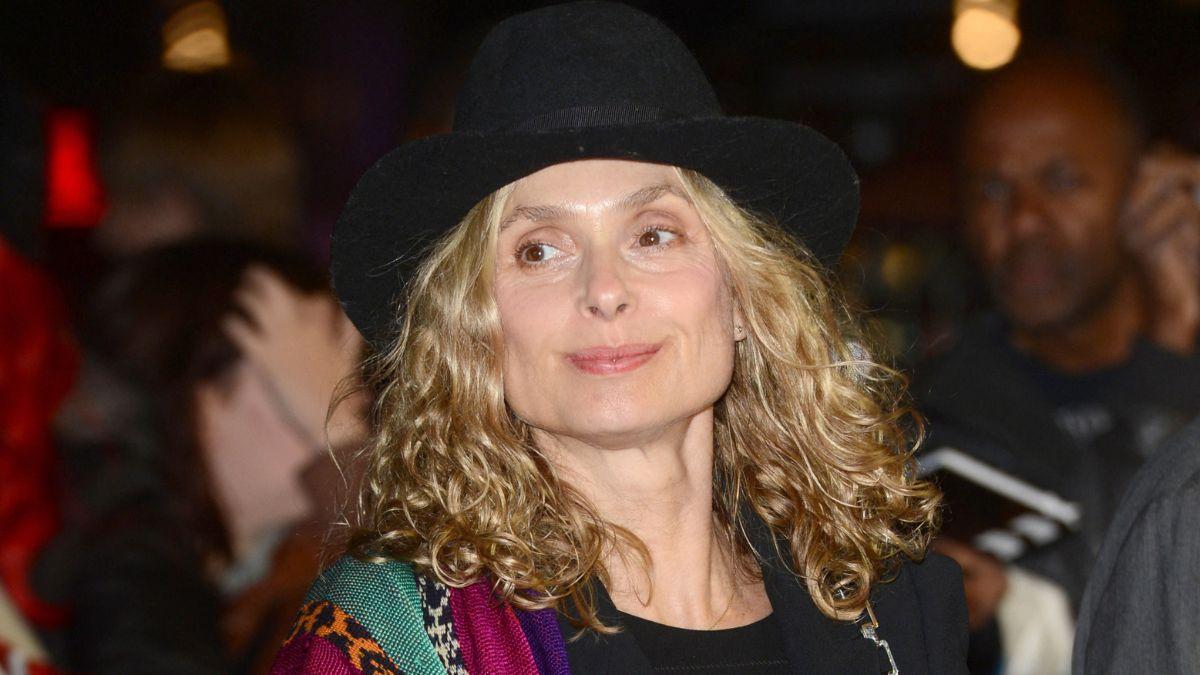
The actress is currently appearing in the play ‘Spanish Oranges’ in London.
Among other rumored 007 frontrunners are Callum Turner and Aaron Taylor-Johnson.
Turner is said to have told friends he expects to land the role, while his fiancée Dua Lipa is rumored to be in line to record a future Bond theme.
D’Abo is currently appearing in Spanish Oranges at The Playground Theatre in London, a play exploring the dynamics between two artists.
Yet her remarks about Bond have now overshadowed her stage work, drawing criticism from some fans who argue the character should reflect a more diverse Britain.
Another movie industry insider said, “The Bond franchise has always mirrored its era. The question now is whether it looks backward to tradition or forward to reinvention. Maryam has made her position clear – but the final decision rests with the producers navigating a very different cultural landscape.”