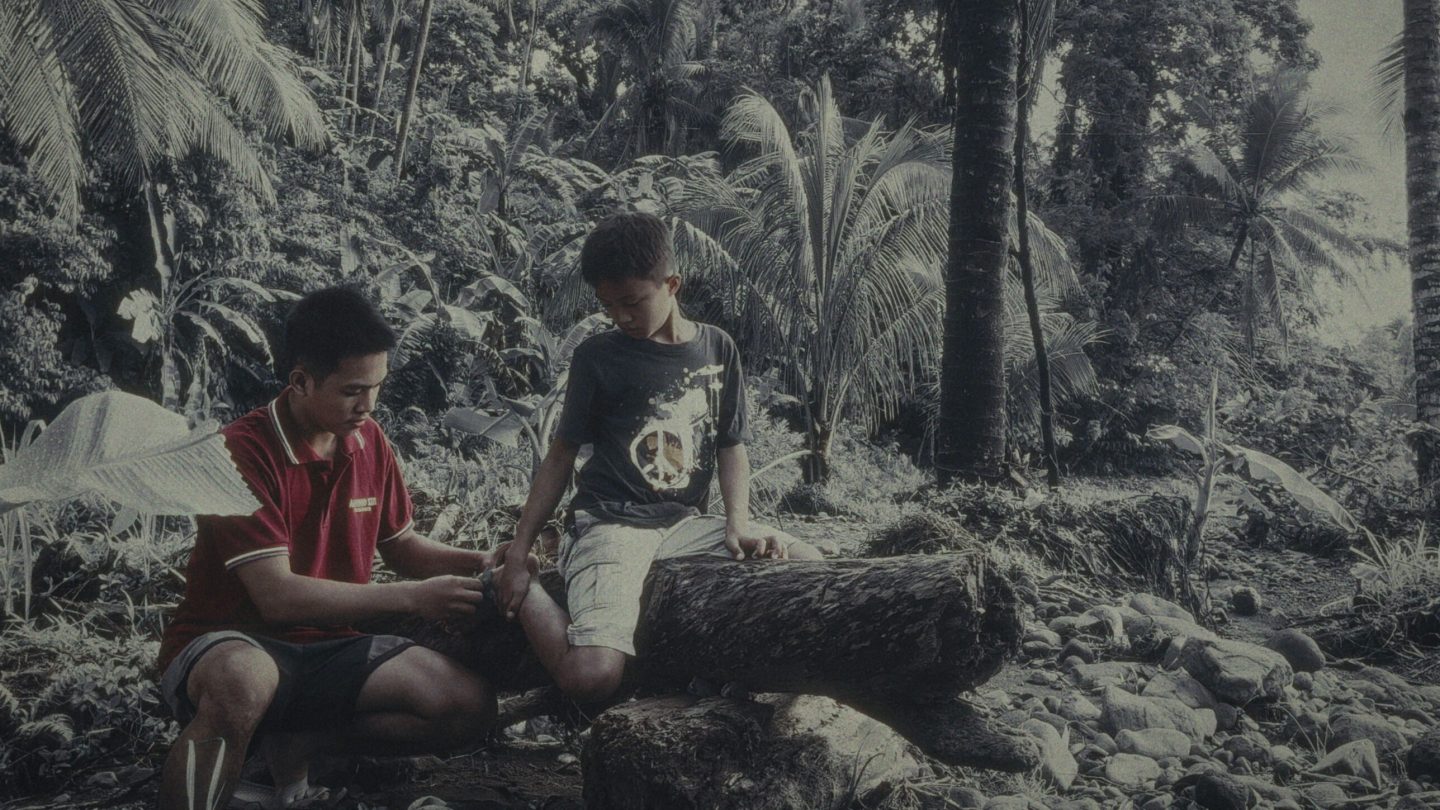
Three boys in a riverside village on the island of Leyte in the Philippines are at the center of writer-director-cinematographer P. R. Monencillo Patindol‘s feature debut, igrew an inch when my father died. But the film, world premiering on Friday, Jan. 30 in the Bright Future lineup, dedicated to first features “representing the cutting edge of contemporary filmmaking,” of the International Film Festival Rotterdam (IFFR).
But despite its young protagonists, it’s not all fun and games here. When their abusive father is murdered by a neighbor, two brothers, Ge and Kenken, must grapple with loss while navigating their friendship with the killer’s son, Ricor. The IFFR website promises “a deeply felt debut about the complexities of crime and inherited guilt.”
Patindol wrote the screenplay with Giancarlo Abrahan, who also served as producer of the movie, in the Cebuano language, which was a cinematic community collaboration. James Kenneth Cayunda, Ricor Ventilanon, and Gerald Polea star.
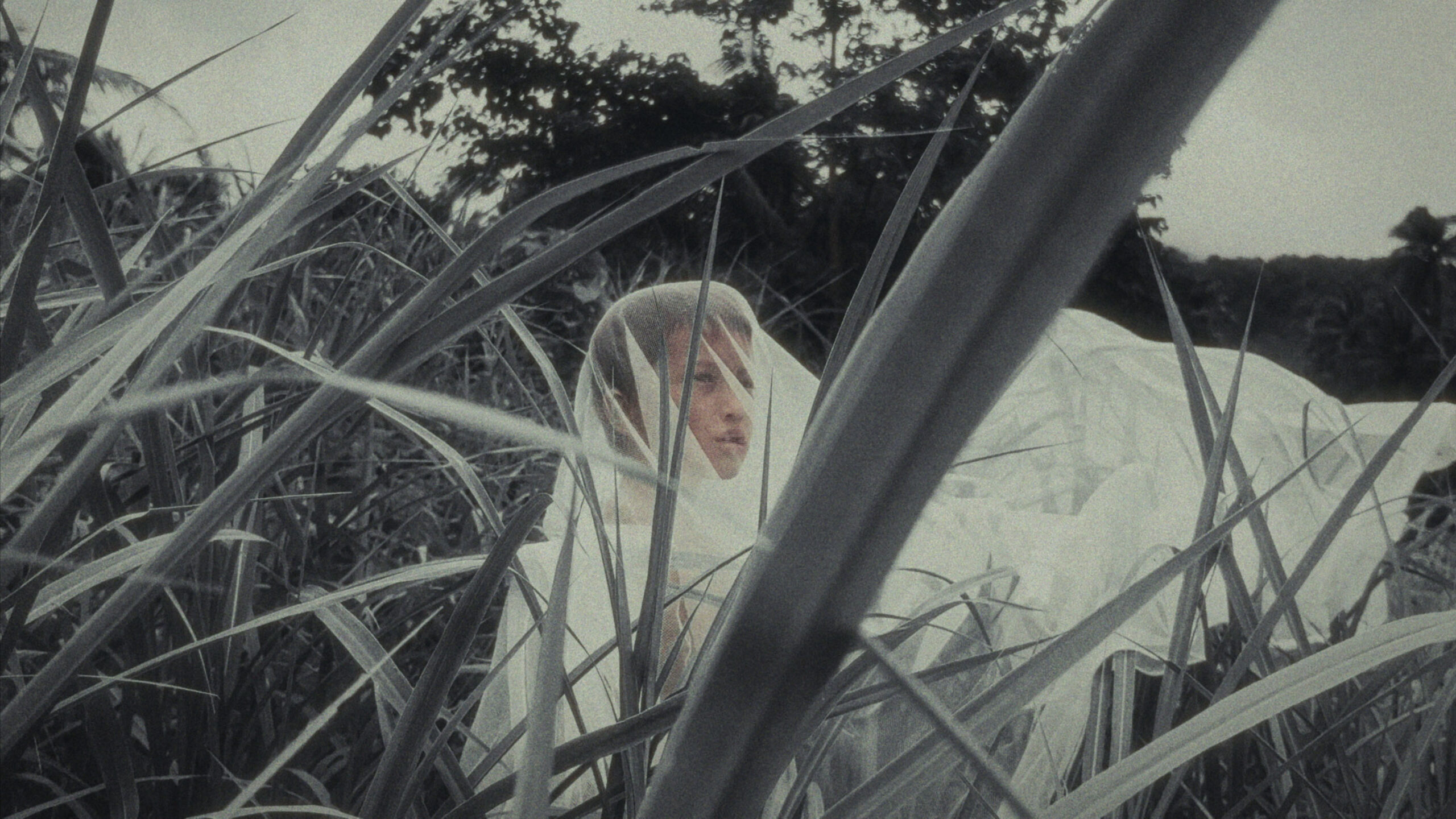
The striking visuals of igrew an inch when my father died include desaturated color with splashes of color, including blood red, and a mix of static and handheld camera work.
Patindol shared with THR how he developed and made the film and discussed its complex social themes and aesthetics.
It all started with the filmmaker’s second short film, Shoredust (2024). “During the COVID pandemic, I wanted to rediscover home and film in my hometown,” he tells THR. “I’ve been away from home for almost two decades. So, I asked my parents to help me gather local youths from our community who wanted to participate in filming. I didn’t really have a concept yet, and we started out as a group of five, and I taught them filmmaking, training them on camera operation, sound recording, and production itself. And there was this waiting for sparks.” In the end, the creative group grew to 12 members.
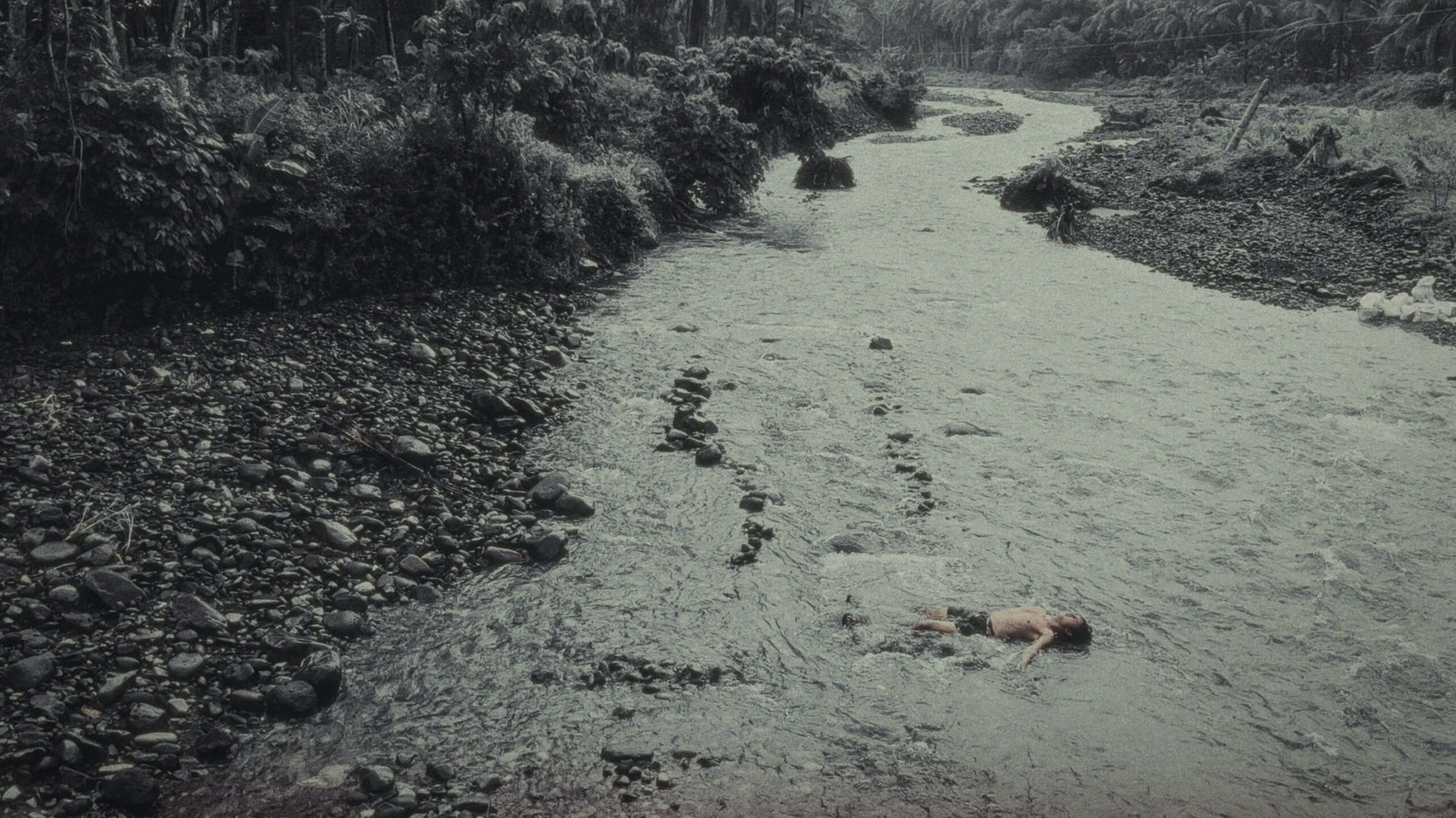
The team ended up filming Shoredust. But during the shoot, they encountered a group of children swimming in a river. “During a break, some of my crew members teased one boy, so I asked why,” recalls Patindol. “They told me about this incident between two fathers, both drunk, where one fatally stabbed the other. The boy being teased was the son of the killer. But also playing in the same river was the son of the man who was murdered. Despite this, the two boys remained close, and I became curious about how such a friendship could endure amid the bloodshed.”
With this as a core inspiration for i grew an inch, Patindol was ready to make another film in the community. “Shoredust felt really rewarding as an experience, so I wanted to film another one,” he tells THR. “The crew consisted of the cast of the short, and we also expanded and invited more people, including team members’ cousins and their neighbors. Actually, the two lead actors of that short film became my associate directors of photography for the feature. There were times when I was in Manila, and I would need them to film something, so we would do pre-production online, they would then shoot and send me the footage. And I was really blown away.”
The filmmaker didn’t want to involve the two boys who have remained friends despite the father of one killing the other’s father. “I hoped to be sensitive to the real story by staying away from it,” Patindol explains. “I wanted to explore how friendships endure amidst loss and unimaginable circumstances. The film is inspired by that incident, but it tells its own story.”
i grew an inch sees two brothers, sons of a murdered man, react differently to the trauma. The filmmaker cites the famous line from Haruki Murakami’s novel Kafka on the Shore, “closing your eyes isn’t going to change anything.” The older brother refuses to see his grief, yet he is haunted by images of his father.
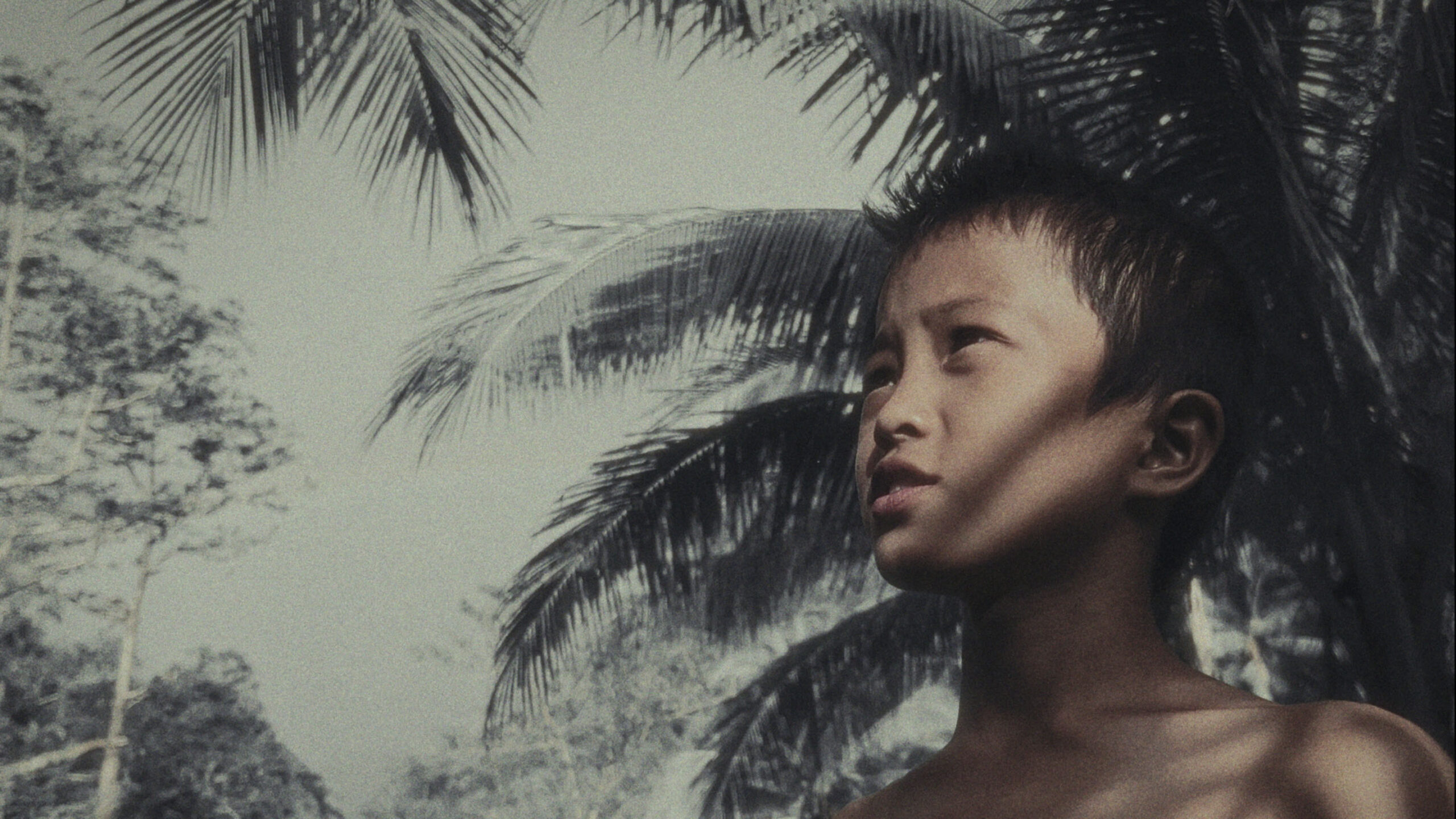
In contrast, the younger brother Kenken “stops speaking to those who expect him to talk after witnessing the murder – yet he speaks to a creature he has just met, as if it were a friend,” he explains. “Both try to process what happened, but their home offers no space for it. Here is a family who cannot look each other in the eye and fear confronting their shared loss.”
For Kenken, losing his father also triggers a longing to connect with a father figure, which comes in the form of an invisible “creature” offering to be present, listen and provide companionship. Where did the idea for the creature and a possible portal that it knows about come from? It came from the filmmaker’s experience returning from Manila to his hometown. “After being away for so long, I was struck by how alive superstition still is in my hometown,” Patindol says. “Even the youth believe in supernatural creatures and enchanted trees – portals to another realm. It amazed me to see that these beliefs, these stories, are still part of everyday life.”
Out of respect for that, when he shot near a huge old tree, “I was always careful not to make too much noise or disturb the space, so as to honor the forest and the creatures that inhabit it.”
Ge and Ricor have a particularly complex relationship that the actors hint at, even when their characters discuss whether the murder should change things between them. “I wanted them to be best friends. I imagined there may have been unspoken feelings between them. And then this terrible event happens,” Patindol emphasizes. “Can their friendship endure – or even transform – under the weight of what’s happened?”
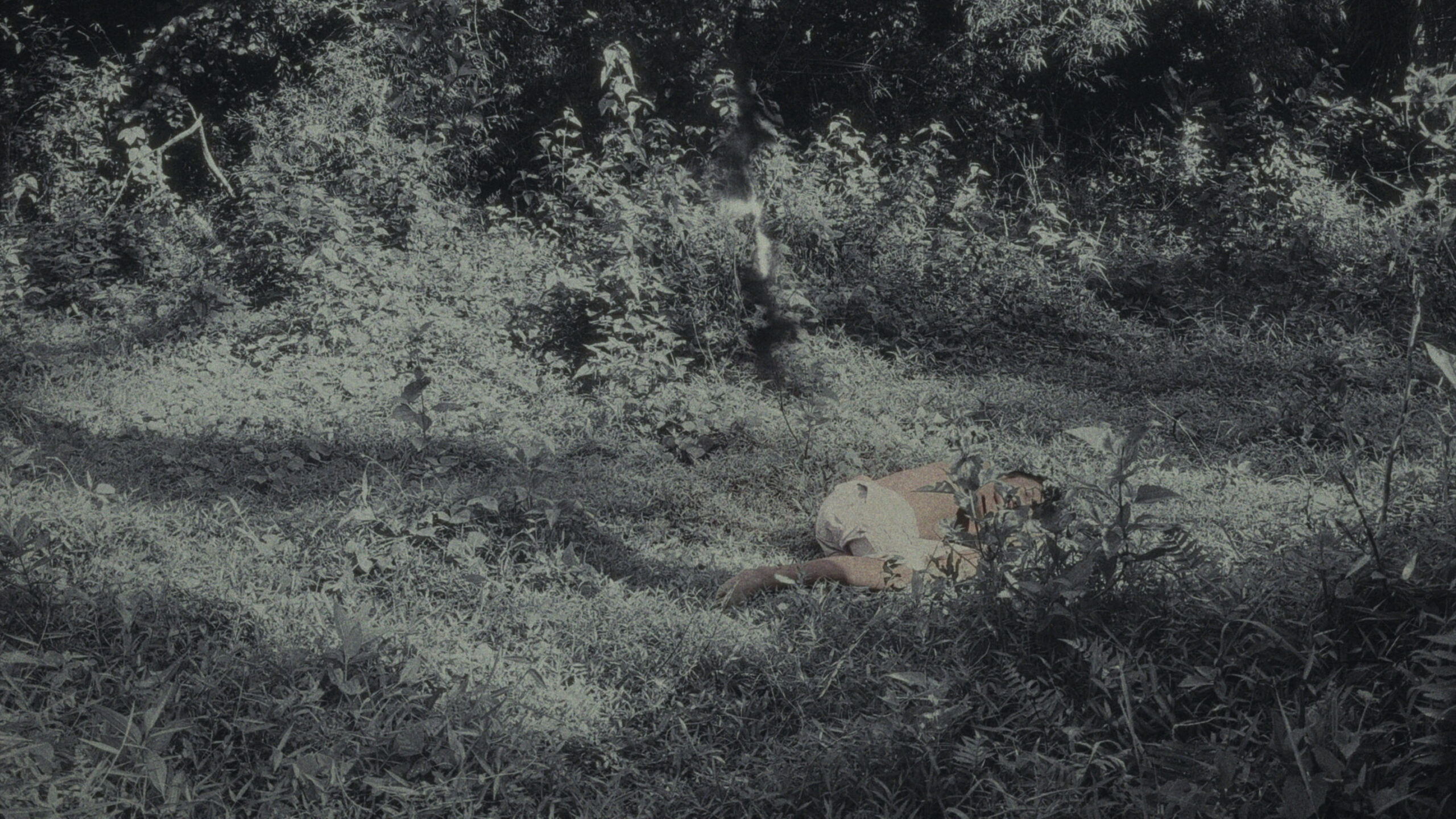
He is aware cycles of violence that breed further violence in Philippine society. “I let the film be open to real stories of my crew members. And they shared with me their family situation, their struggles, and it moved me deeply that so many grew up with absent fathers or experienced hardship at home,” the director shares. “There’s a discourse around masculinity and what fathers are ‘supposed’ to be. So I wanted to show the tenderness in the three boys – and how that tenderness can shape who a young man becomes.”
Patindol also wanted to explore how some of his characters “do not really care about the environment, breaking a branch of a tree or so,” he explains. “I wanted to show that nonchalance towards our impact on the environment.”
Where did the title i grew an inch when my father died come from? “That was a line from my producer, Giancarlo Abrahan, who’s a frequent collaborator, a friend and a poet, when I was trying to articulate what I wanted the film to be,” the filmmaker tells THR. In one scene, Kenken actually measures his height, and he thinks he has grown a bit taller. And metaphorically, “as the brothers confront their grief, each character grows,” taking small steps “towards spaces where they can exist on their own terms,” he explains.
Speaking of growth, Patindol also has two ideas for new film projects. “I was supposed to have another debut feature, which we entered into film labs, but I have actually been working on two [projects],” he tells THR. “Everything I’ve written so far are deeply personal stories – an exploration of myself as a young person growing up. Rafael was the first feature project I explored in film labs.”
So he wants to make that his second feature. “Rafael is about inheritance: a grandfather, a father, and a son, and what is passed down through the bloodline, loosely inspired by my own grandfather and father,” Patindol shares. “I wanted to explore what fatherhood means to me.”
Plus, there’s another story, The Moon Named Me Rain, which is inspired by a real event, experienced by one of the filmmaker’s crew members. “We were in the middle of filming when he rushed home because his mother – whom the community considers ‘buwanon,’ roughly translating to ‘lunatic’ or ‘possessed by the moon’ – was found bathing in paint outside. It was a new experience for me, having spent most of my life in Manila,” Patindol shares. “We spoke about how he felt having a mother whom others see as ‘possessed,’ and I am shaping that into a narrative about the thin line between love and lunacy.”