“What do we do with our community’s collective heartbreak?” asks filmmaker Lexie Bean at the beginning of the Berlin-premiering What Will I Become?
The young creative, making his directorial debut with fellow documentarian Logan Rozos, is discussing the suicides of homecoming king Blake Brockington and the soft-spoken Kyler Prescott, two American trans boys who were once poets, musicians, and advocates just as the internet was becoming a beacon of hope for the transgender community.
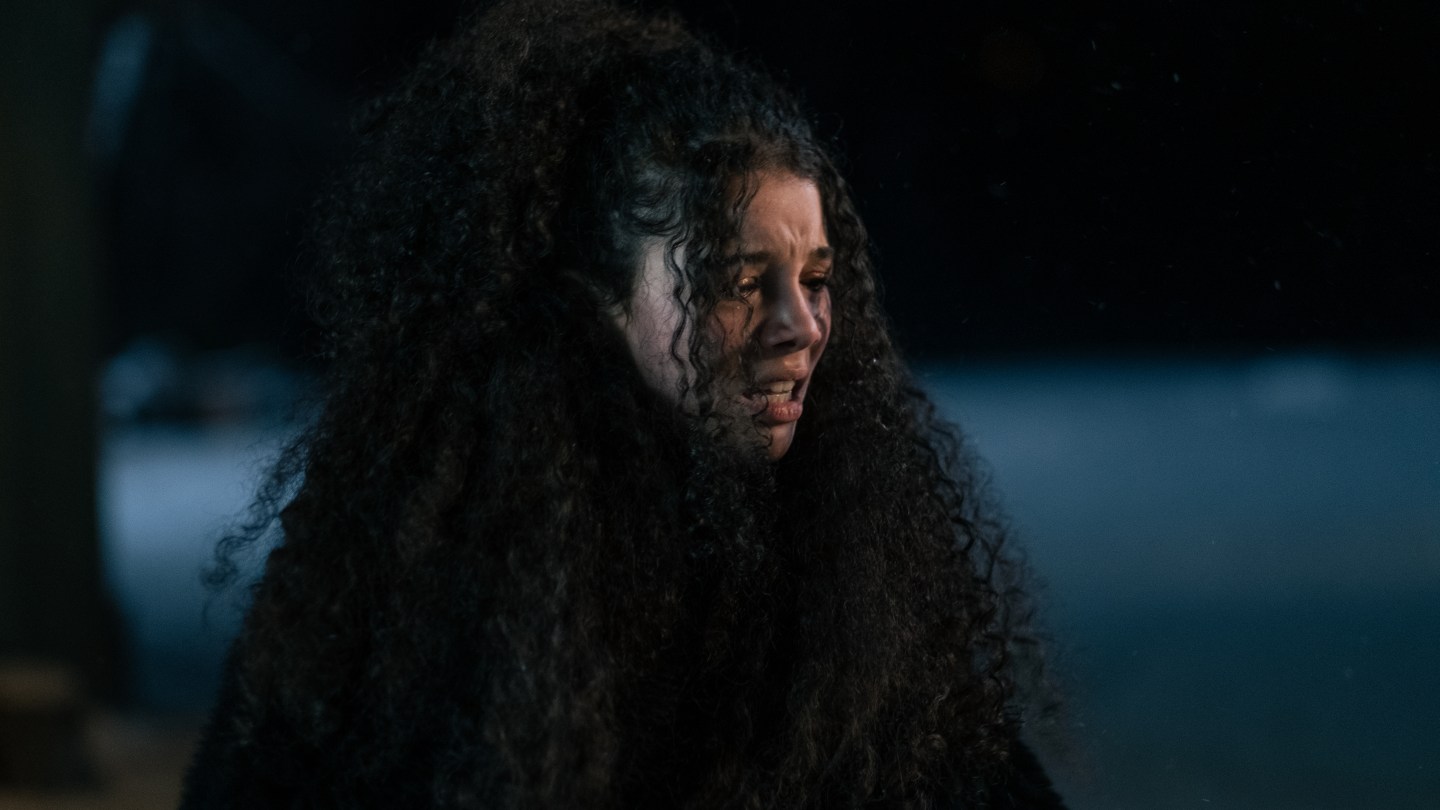
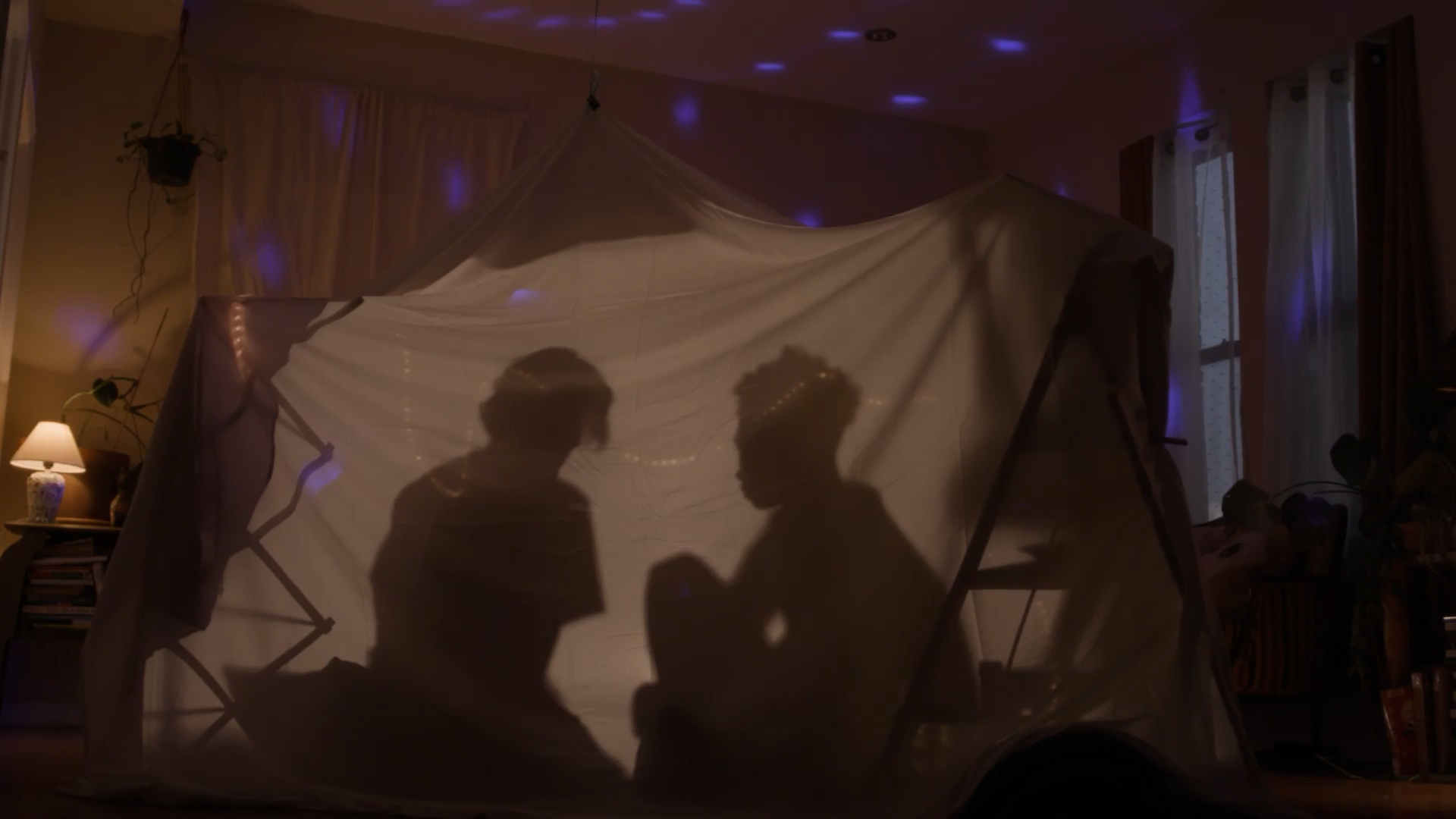
Their film explores the vulnerability of the trans-masculine community by delving into Bean and Rozos’ own personal experiences, intertwined with the delights, challenges, and tragedy within Brockington and Prescott’s lives. The final product, a co-production between ITVS and Deep Dive Films in association with Storylens Pictures, is a gut-wrenching, tender probe into the trans-masc experience, and why, though an inherently joyful change, transitioning often becomes dangerously isolating. Among the more damning statistics highlighted, per the Official Journal of the American Academy of Paediatrics, is that over half of trans boys have attempted suicide.
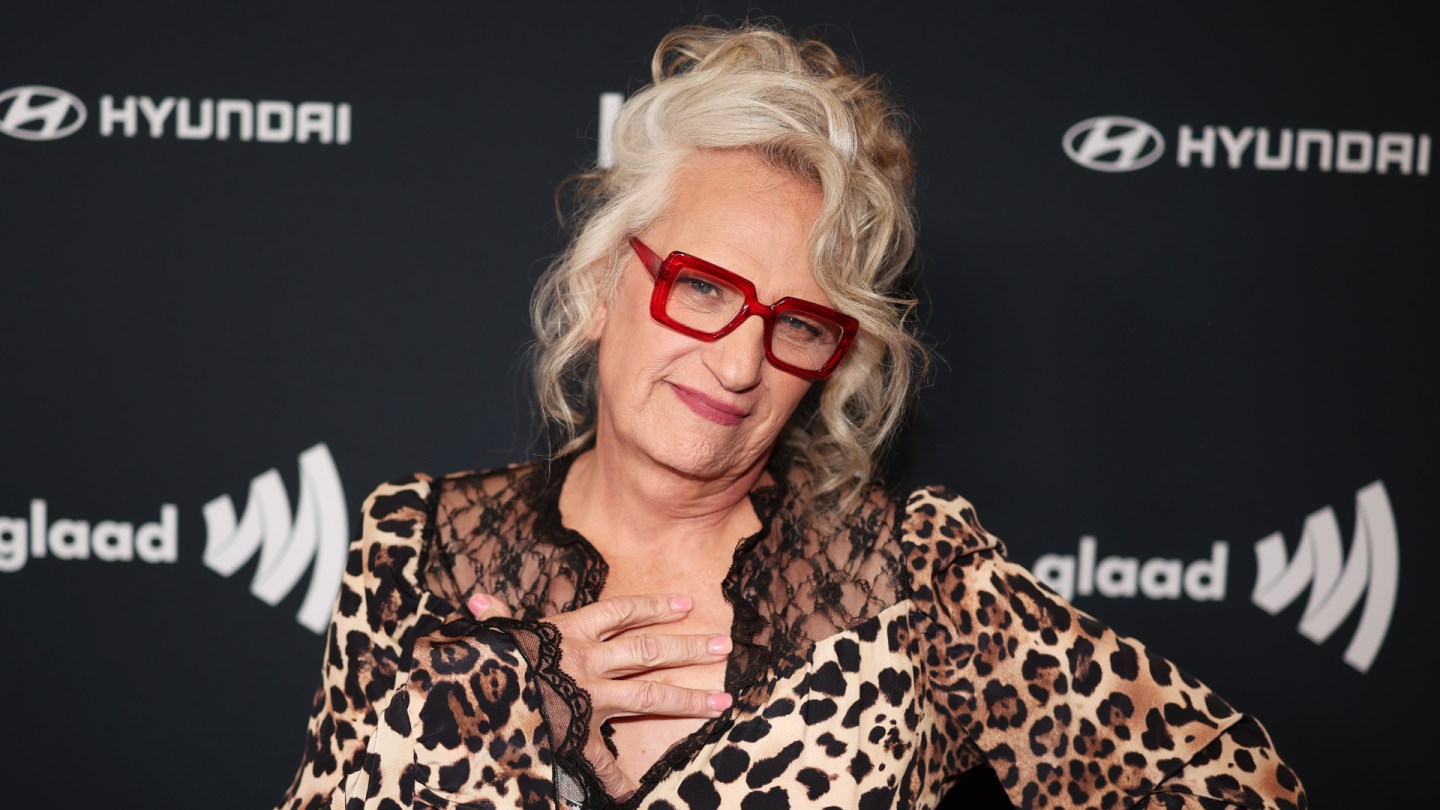
The duo’s doc also happened to catch the eye of the Emmy-winning writer-producer Harper Steele. “I do involve myself with trans projects,” she tells The Hollywood Reporter ahead of the film’s Berlin debut. “But they have to touch me. I have to feel something about them. This one, particularly, did work for me.”
You’ll likely know Steele as the former head writer on Saturday Night Live and subject of 2024 Netflix doc Will & Harper, in which she road-tripped across the U.S. with close friend Will Ferrell for the first time since transitioning. After a New York screening of hers and Ferrell’s project nearly two years ago, Bean and Rozos approached her and asked if she would watch their film. “I was struck [by it],” she continues. “I could see its potential. Also, for me, it was kind of an eye-opening experience.”
Here, Steele discusses exactly what she finds moving about Bean and Rozos’ 80-minute feature. She talks about coming to understand the trans-masc community in a way she’d never considered before, how Brockington and Prescott’s stories gave strength to others, and why What Will I Become? is more urgent than ever: “I do think there’s been a huge retreat, culturally, from where we were 10 years ago… Hopefully, we’ll move down that path again.”
How did What Will I Become? come onto your plate? Did Lexie and Logan reach out to you?
Yeah, they did. Actually, they attacked me after a screening of Will & Harper in New York City. [Laughs.] There was an event afterwards, and I milled about with Will Ferrell for a while. [As] I was leaving, I was out on the street, and the two of them came up to me and asked me just to watch the film. I don’t remember how quickly it was — probably a couple weeks after that — I was at home and they’d sent me a link. I watched the film, and it was an early cut. It’s not the film you’re seeing now. But I was struck [by it]. I could see its potential. Also, for me, it was kind of an eye-opening experience.
Is this a personal project for you as much as it was a professional one?
My personal journey was so obsessively tied to constantly reading and trying to understand what was going on from a very trans-femme perspective. I spent a lot of time in that world, and I didn’t spend as much time in the trans-masc world, which is odd considering I have a child who is non-binary and lives in that world. But I was probably a little self-obsessed. [Laughs.] All trans people are as they transition!
This film follows Kyler and Blake and it’s their trans-masc journey. And what I hadn’t really thought about was when you’re navigating these spaces as a trans person, you’re navigating the idea of femininity or the idea of masculinity, and what is it that you essentially need from that world, what it is that you can achieve, and how you want to go about it. It was fascinating for me to see that on the other side. These kids were going through this process of trying to discover what masculinity itself was going to mean for them. To me, it’s a greater cultural conversation about what masculinity is, but from a trans perspective, gender is very front and center as you transition. You’re constantly thinking about it. I just hadn’t really put a lot of time or effort into thinking about that side of it.
So this film evoked something in you that you hadn’t felt before?
I mean, yeah. You’re always playing around with these notions of gender. I personally think there’s an essentialist thing about gender that is the force behind being trans, but there is very much a cultural idea of gender that is hard to escape and hard to achieve — and not just for trans people. This is for everyone, and this movie highlights that in ways that are kind of devastating, what those strict lines of gender can do to people. Again, not just trans people, but especially trans people.
What were Lexie and Logan’s reaction when you said you were going to executive-produce this film?
I hope they were happy! There was some back and forth, some notes that I gave them. I had a couple people watch it and got some notes from them. I watched the film grow. That’s the nature of the kind of films or TV that I make, generally, but especially with documentaries, because you’re working with so much raw footage — hours and hours of footage — so you have a lot of choices to make. I watched it develop and hopefully, I was able to steer it in some ways. I mean, look, these two put together a brilliant film. I don’t want to take a lot of credit. [Laughs.]
Of course. Sadly, though, it’s often that an EP credit can be a powerful tool in getting films seen and talked about.
Well, that’s the other reason why I would have wanted to put any effort into it. To me, it’s an important film.
This is a doc about tragedy, culture, and a community that is still under attack today. But it’s also trying to capture the joyof Kyler and Blake’s lives, which feels like a crucial element — showcasing that joy.
Yeah. It’s a difficult film on some levels. Not as a watch, I just mean it challenges us to think. There’s lots of ways to be trans in this world and if there’s a lot of pressure and forces working against it, it’s not always joyful to be trans. Being trans in and of itself as an idea is a joyful process because you’re coming into yourself. It’s a wonderful experience. It’s really a culture in society that can turn that experience into something that is not wonderful. And I think the film speaks to that, because there’s just no reason that culture [or] society should be putting this pressure on trans people, especially when you can visibly see the joy that people feel when they transition.
It’s almost shocking to learn about this film and feel that it’s still urgent. But a festival as big as Berlin screening What Will I Become? feels like another step forward in a tough world. Was the film already going to Berlin when you signed on?
My brain is a little foggy, but I think it’s almost been two years [since I signed on]. So it’s been a work in progress up until Berlin. I think it’s exciting. I don’t think there’s any less need for trans content in films and television everywhere. And I do think there’s been a huge retreat, culturally, from where we were 10 years ago — from the trans tipping point, as people like to say. But talking to people who have been trans a lot longer than me, my elders, I tend to think that these things happen one step backwards and two steps forward. Hopefully, we’ll move down a pathway that’s forward again.
Will & Harper premiered at Sundance in 2024. Is this your first international film festival?
Yeah. I mean, unless Will & Harper made it into a festival and [director] Josh [Greenbaum] went and I wasn’t invited! [Laughs.] It’s exciting. Berlin is huge. Sundance was an incredible experience and the fact it’s moving to Boulder is a plus. It needed a little shot in the arm. It felt a bit stale. Berlin, to me, for lack of a better word, is just a cool festival.
And obviously, Berlin as a city has a really great queer culture. So it feels right that this documentary is premiering here.
I think you have to also look at the film through a lens of people who are a lot younger than me. Both Blake and Kyler were out front on the internet. I can speak to this in some [way] because my own kid had no problem declaring, originally, that they were lesbian, [before] slowly transitioning as early as late high school. That is a result of what the internet did, culturally, for a lot of trans people. It wasn’t useful to me in any way. It didn’t exist. Both these unfortunate stories, like everything in this film, there’s something kind of fortunate about them too. They both were held up as examples, or gave strength to a lot of people all across the country, maybe the world, [who were] watching their transition and how they navigated it.
You won’t be on the ground in Berlin?
I wish I could, but I’m in the middle of getting paid to do something else here in Los Angeles. [Laughs.]
Would you like to produce more documentaries like this?
It depends on what touches me. Obviously, I feel an indebtedness to the trans community, and I think that’s probably the right way to feel. Especially if you transition late in life, because I had a lot of people who came before me, who made it a lot easier for me. So I do involve myself with trans projects in general, but they have to touch me. I have to feel something about them. This one, particularly, did work for me.