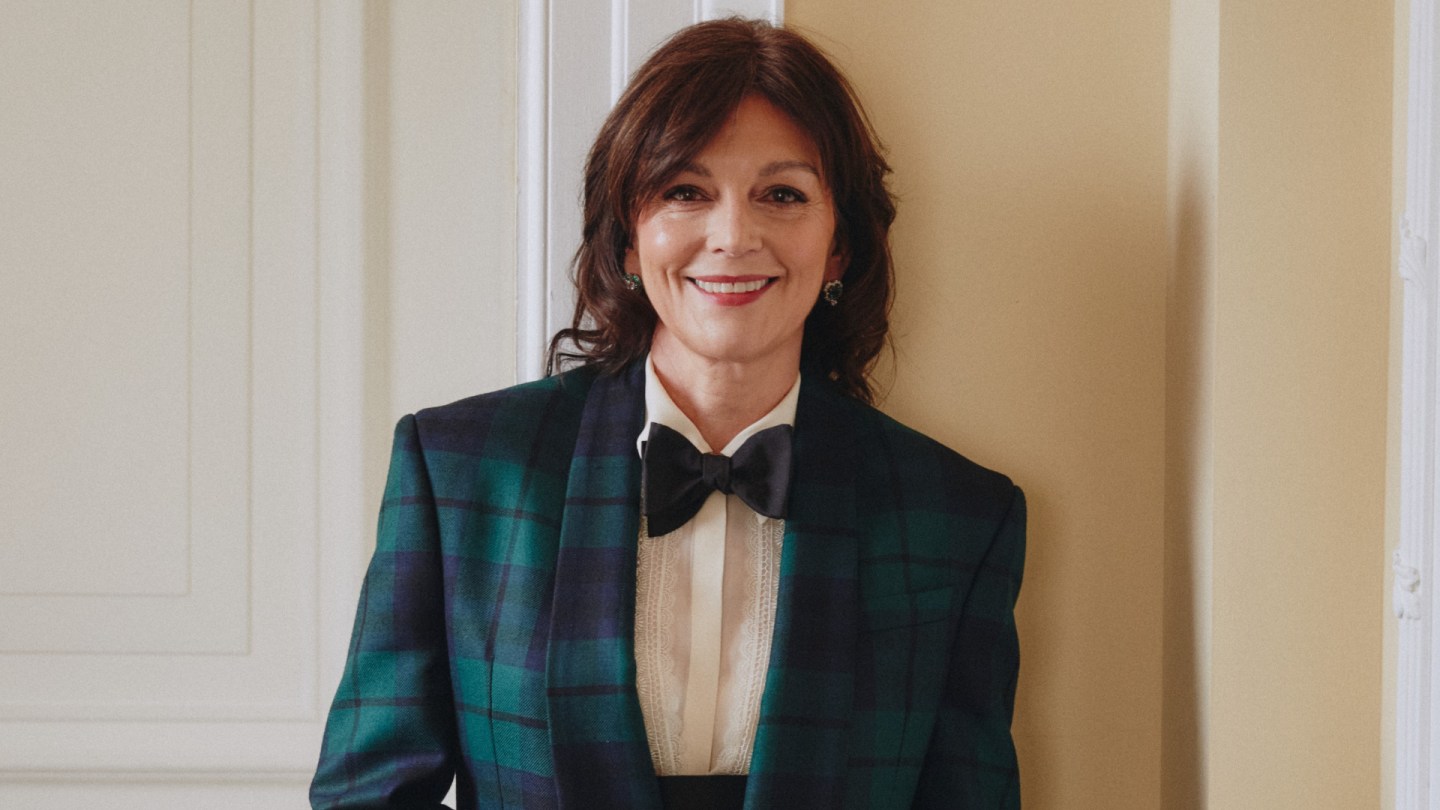
It’s Jane Millichip‘s fourth BAFTA Film Awards this Sunday, and the CEO is already anticipating a lively show.
The exec has lauded the likes of Chloé Zhao and Ryan Coogler for their record-breaking feats ahead of the star-studded awards ceremony at London’s Royal Festival Hall, though it’s Paul Thomas Anderson’s One Battle After Another out in front with 14 nominations in total.
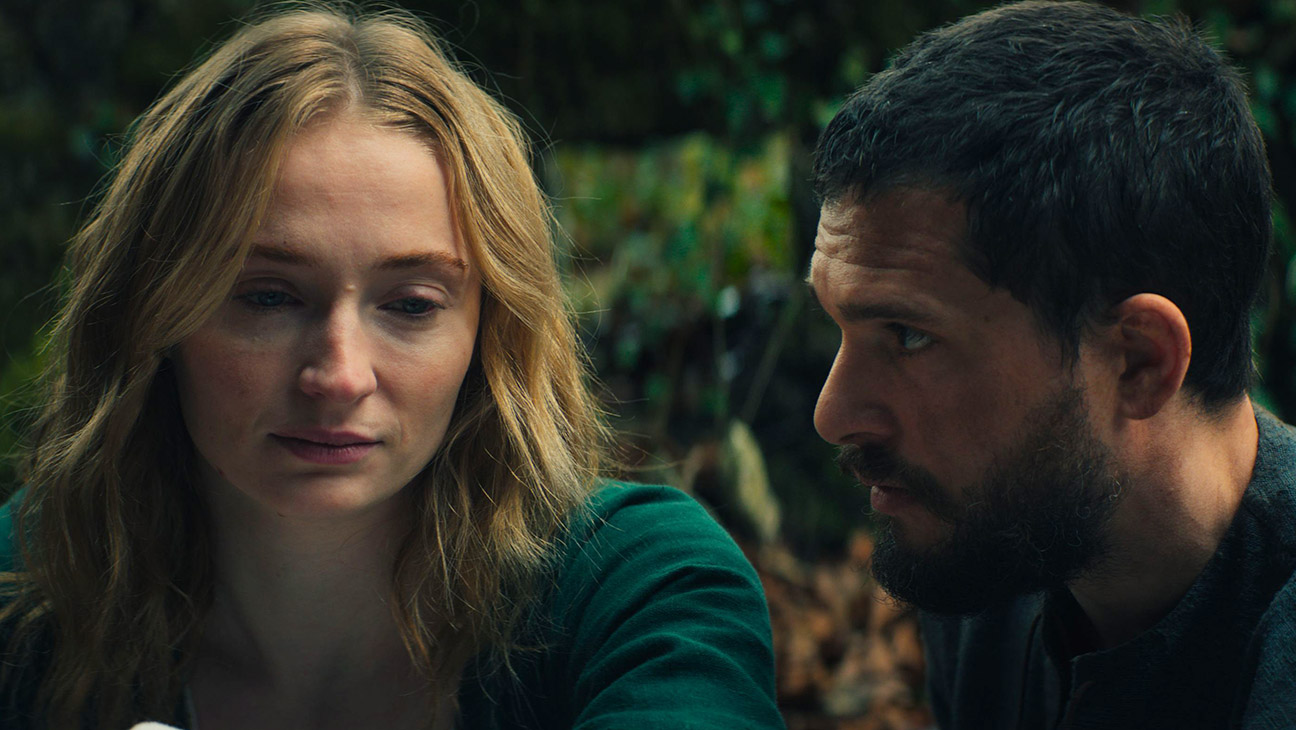
It’s also been a hugely impressive year for British indie film with Harry Lighton’s Pillion, Akinola Davies Jr.’s My Father’s Shadow, and Tim Key and Tom Basden’s Ballad of Wallis Island all up for BAFTAs, which has Millichip beaming. “This year’s nominees tell a story,” she tells The Hollywood Reporter this week. “They’re really unapologetic [in] storytelling and style this year, which is really interesting.”
But Millichip is also admittedly in awe of around 2,000 people who will be working on the weekend’s live show, broadcast on the BBC in the U.K. and on E! in the U.S. “What I found absolutely mesmerizing when I first joined was just what the 360 of it is,” she said. “I’m quite involved in the content and the editorial, but the logistics are absolutely incredible.”
The crew will not only have to field lengthy acceptance speeches, music cues, and shepherd 2,500 guests around, but also facilitate live performances from KPop Demon Hunters trio HUNTR/X and Jessie Ware. In short, it’s a lot of moving parts to tackle with the whole world watching.
Below, Millichip previews the 2026 show. She dives into industry optimism, the challenges of hosting Britain’s biggest night for film, and advice for first-time BAFTA Film Awards-goers: “Look after your feet.”
This is your fourth awards season in the top role at BAFTA. How has the film industry changed over that time?
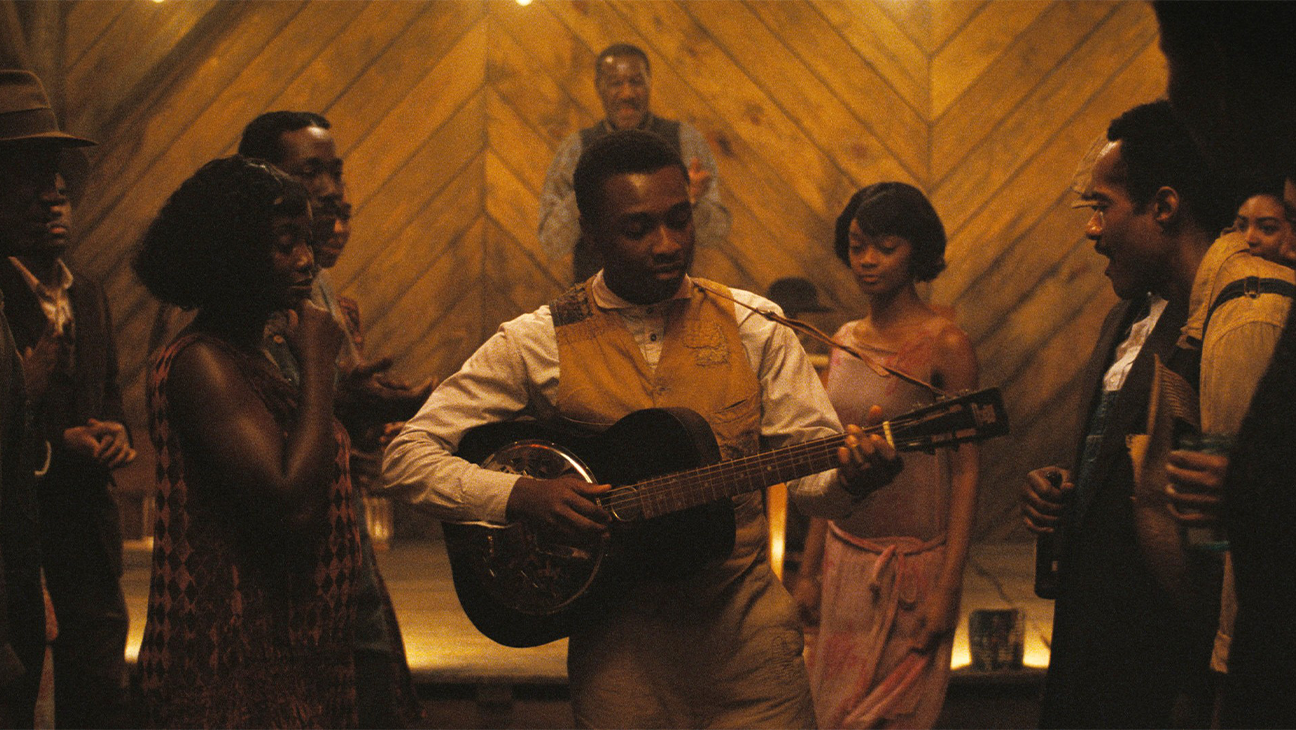
What we’re seeing is the sector evolving all the time. And I think what is really rewarding at the moment, particularly if you look at the latest BFI figures around high-end film and television in the U.K., [is] it was great to see that the spend in 2025 was 6.8 billion [pounds], more than 20 percent up on the previous year. So I’m really hopeful about that. We’re still seeing a lot of inward investment into U.K. film and television. But I’m always keen to keep an eye on domestic production as well. And I think if you look at the [BAFTAs] outstanding in British film category this year… I mean, that’s an incredible list of 10 films. And also, our outstanding debut category — Harry Lighton’s in there for Pillion, Akinola Davies for My Father’s Shadow. Incredible storytelling. I think this year’s nominees tell a story. Broadly, they tell a story about bold filmmaking. They’re really unapologetic [in] storytelling and style this year, which is really interesting. If you look at the big five — One Battle After Another, Sinners, Hamnet, [they’re] tackling really big subjects, or really strong subjects, like parental bereavement, the moral ambiguity of activism. And yet the storytellers have chosen really, really distinct formats, and I think that shows real confidence. To tackle the Jim Crow era and Black identity through a vampire film is an incredible feat. Ryan Coogler pulled it off brilliantly and still made a wildly entertaining film.
But the thing for us, what we’re always mindful of at BAFTA, is what are the British categories looking like? And if you just look at the list for outstanding British film and debut, there’s some exquisite storytelling in there. Hamnet is the most-nominated film in BAFTAs history for a woman director. So that’s really good to see. Theater-going is recovering post-COVID. U.K. box office is slightly up on last year, which is good. We support cinema-going, we support the value of film and cultural landscape for the public. I worked mostly in TV before [this role], a little bit in film, and what I’ve known, because I’m very, very, very old… is that this sector evolves constantly, and I think it needs to evolve, because we’ve seen so many technical changes over the years. We had the flash-in-the-pan 3D, when we moved from SD to digital to fully into the digital era. And I think filmmakers are incredibly versatile about adapting to technical innovation and moving with it, as well as the infrastructural economics. I think we are in a good position in the U.K. right now. We always want to support more diversity. We want to see more creative learning in this country to foster the talent pipeline. There’s lots of things that we need to still lean into, but on Sunday, I will be absolutely, totally, unequivocally in celebration mode.
It’s interesting you mention the box office and cinema-going — I think we’re all hoping this is going to be a very healthy year for the global box office. Are you optimistic about that, in the context of that shared sense of panic over Netflix’s potential acquisition of Warner Bros.?
I think I focus on the talent pipeline and the film pipeline. And if you look at the lineup in all the awards ceremonies, there’s some phenomenal filmmaking being made. And in a world of tough geopolitical positioning, it’s amazing to see filmmakers make really bold, brave choices in how they’re telling their stories. And I think that is to be acknowledged and celebrated. As you say, the pipeline this year in the U.K. is looking equally strong. So for me, that’s the key data I’m looking at.
We absolutely support cinema-going at BAFTA. We increased the minimum number of screenings in our rulebook last year. That was in support of theater-going. How can you not feel optimistic when you’re just looking [at] the nominees on Sunday?
What’s the most difficult part of planning an event like this?
Over the weekend, we have something like 2,000 people working on this. Thankfully, we have an absolutely brilliant awards and events team that leads it. What I found absolutely mesmerizing when I first joined was just what the 360 of it is. I’m quite involved in the content and the editorial, but the logistics are absolutely incredible. 2,500 people will be turning up at the Royal Festival Hall from all parts of the world. Our red carpet opens at two. Then pre-drinks and the ceremony, which is a three-hour ceremony — a magnificent feat of editing because we have a two-hour slot on the BBC, and we start airing while the ceremony is still on.
It’s a really fast turnaround for a live show. And the production team do an incredible job. As you’ve seen in the last in last couple of years, [they are] amazing, pacey shows that are really entertaining. We want to make a really good entertainment show, because it’s not just [about] who’s won — it’s a celebration of film. We’ve got HUNTR/X performing for the first time outside the U.S., Jessie Ware is preparing a beautiful song for our In Memoriam section. We’ve got really good entertainment. What do I find difficult? It’s the fact that this beast is made up of a million parts, and they all come together in one moment. And all I can say is thank goodness I’m not the head of events at BAFTA. I’m not quite sure we would pull it off quite as well if I were.
How does Jane Millichip spend her night at the BAFTA Film Awards? Where are we most likely to find you?
Well, one of the real privileges of my role is that I get great seats right at the front. That’s amazing. I’m absolutely in hosting mode. So I will try, particularly out-of-town guests, to see as many people as possible. And for me, hosting the BAFTAs is quite a privilege, but it’s also really important. I do take it quite seriously, because the world of film comes to London, and for me, I feel a responsibility on behalf of all the cultural institutions of London, that we do a great job. That we host well, that people feel welcome, and they have a great time and want to come back. And the feedback we’ve had in the last few years is exactly that. We like to ensure that our guests, particularly the big celebrities, feel that they can relax. Yes, they do the red carpet, they do the press lines, but then we try and make sure that they can have a relax at some point, either in the pre-drinks or into the ceremony. Where they can let their hair down a bit and enjoy the event.
We have the nominee party at the National Gallery. And that is important for me — that we host the nominees parties in other cultural institutions [like] galleries and museums. Because it’s a little bit about sharing the love, and also nowhere can do that quite like London, you know? To be able to host our nominees at the National Gallery in front of Caravaggio [paintings] is an amazing thing to be able to do. So yeah, I just try and get around as many as possible. My team generally try to tag me, because I’ve got a terrible sense of direction. There’s always someone on me, so I don’t get lost. The Royal Festival Hall is an absolute rabbit warren so there’s usually someone on hand so I don’t just end up in a janitor’s cupboard somewhere. Other than getting lost, I will be in hyper-hosting mode.
Any advice for first-timers at the BAFTA Film Awards?
Think about the footwear. Look after your feet.