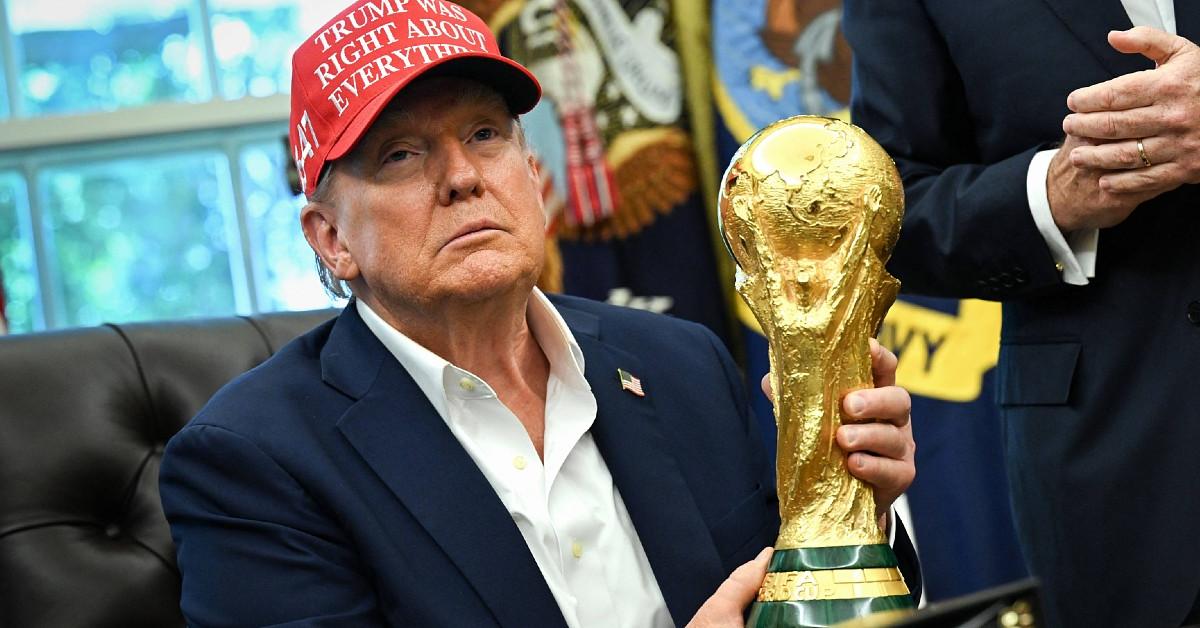
RadarOnline.com can reveal Donald Trump is facing mounting accusations his policies and rhetoric could fatally undermine the 2026 World Cup, as senior figures in global soccer warn safety fears and political instability are driving calls for fans and even teams to boycott the tournament.
The World Cup is scheduled to be hosted jointly by the United States, Canada and Mexico from June 11 to July 19, 2026, with the U.S. set to stage the majority of matches.
Growing Boycott Calls and Recent Fatal Shootings
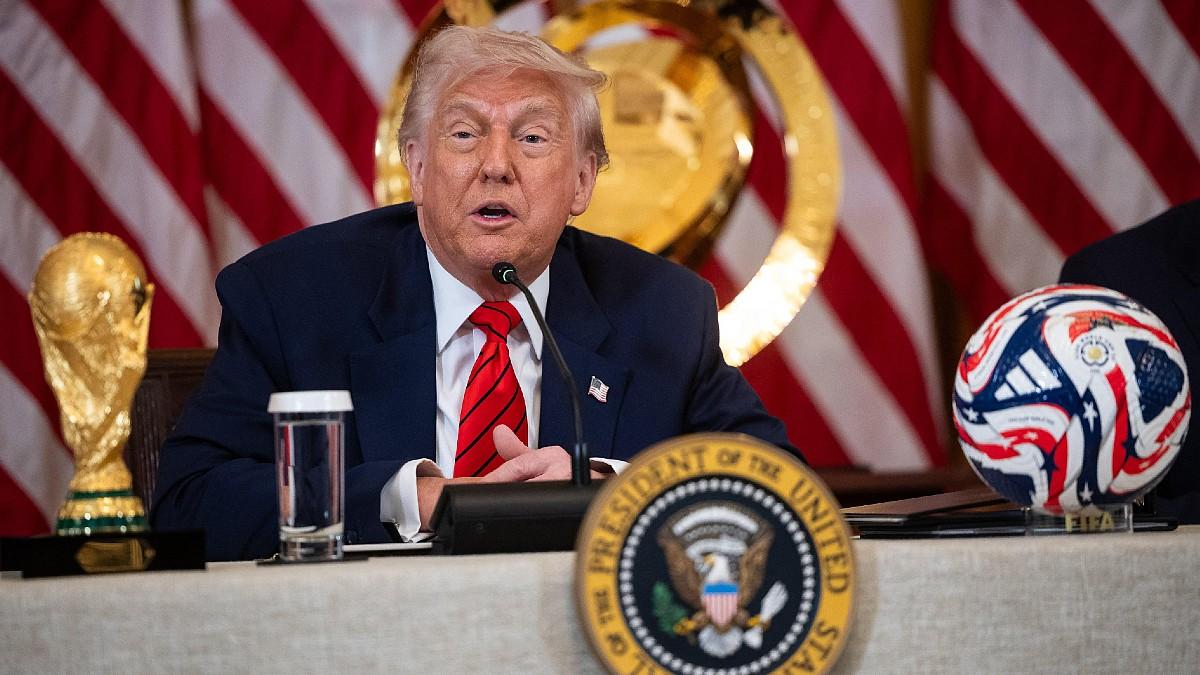
Donald Trump threatens Canada with a 100% trade tariff over its relations with China.
Concerns have escalated following the fatal shooting of protester Renee Good by an Immigration and Customs Enforcement agent in Minneapolis earlier this month, followed by the death of a second U.S. citizen, Alex Pretti, last weekend.
Against that backdrop, prominent voices have urged supporters to avoid traveling to the U.S. altogether.
Former FIFA president Sepp Blatter has publicly backed calls for a boycott after comments from Swiss lawyer Mark Pieth, who has previously worked with FIFA.
Blatter quoted Pieth on X, writing: “For the fans, there’s only one piece of advice: stay away from the USA! I think Mark Pieth is right to question this World Cup.”
FIFA Reform Figures Warn Fans to Stay Away
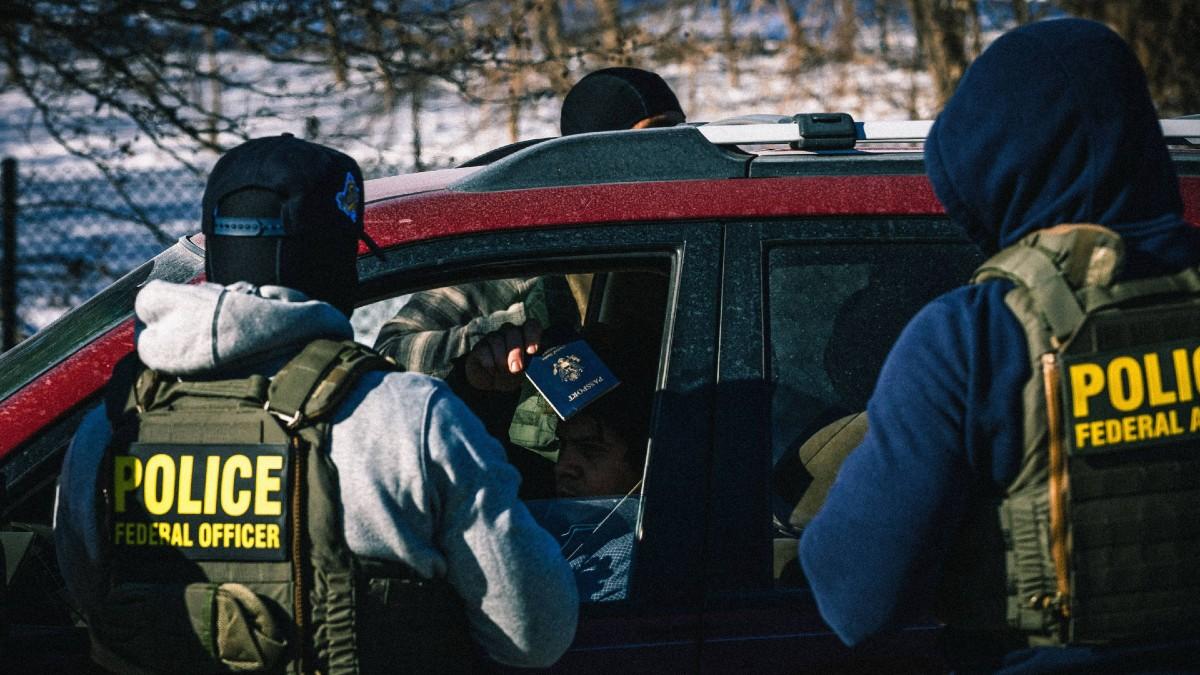
Swiss lawyer Mark Pieth questions the safety of fans traveling to the U.S. under current conditions.
Pieth expanded on his concerns in an interview with a Swiss newspaper, saying: “What we are seeing domestically – the marginalization of political opponents, abuses by immigration services, etc – hardly encourages fans to go there.”
He added: “For fans, just one piece of advice: avoid the United States! You’ll get a better view on television anyway. Upon arrival fans should expect that if they don’t behave properly with the authorities, they will be immediately sent home. If they’re lucky.”
A source familiar with discussions inside international soccer bodies said: “There is a growing fear that Trump’s actions are turning the World Cup into a political minefield. Sponsors, fans and federations are all quietly asking whether this tournament can function in an environment where immigration agents are killing civilians and the president is openly threatening allies.”
Blatter’s Support and Internal Soccer Body Fears
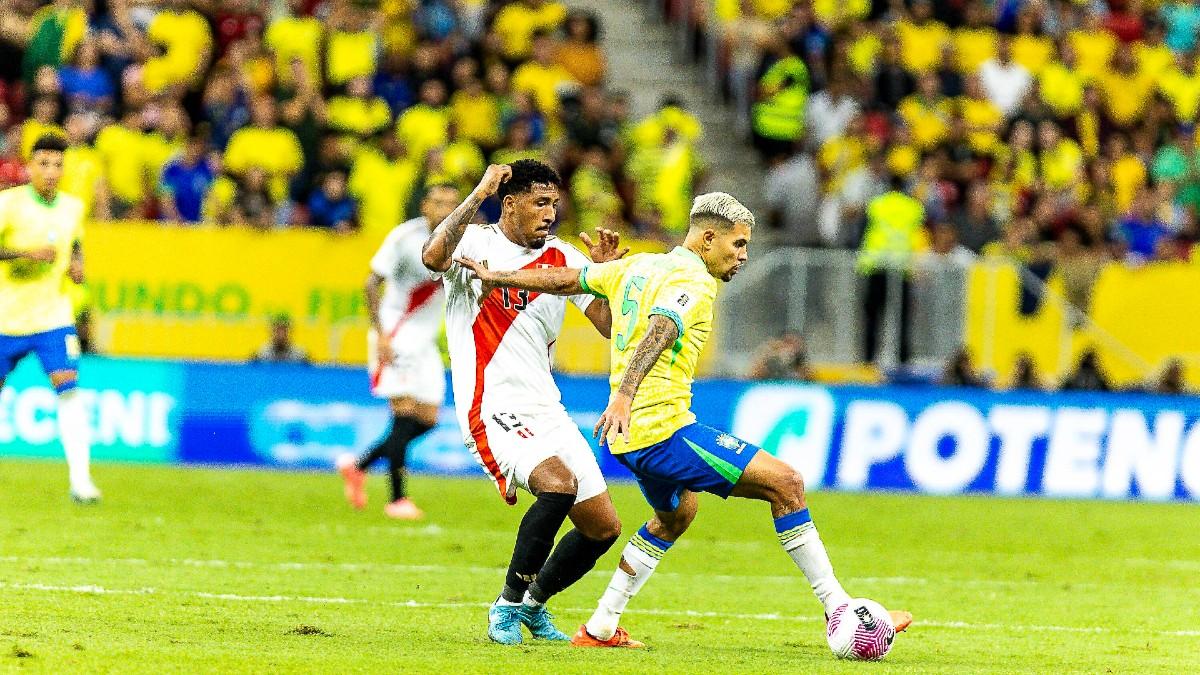
The German Football Association debates the safety risks of the upcoming World Cup.
Blatter, who became FIFA’s eighth president in 1998 before stepping down in 2015 amid corruption scandals, was replaced by current president Gianni Infantino, who has cultivated close ties with Trump.
Blatter and former UEFA president Michel Platini were acquitted last year of corruption charges linked to a delayed FIFA payment made in 2011.
Blatter remains banned from FIFA activities until 2027.
Political tensions have intensified after Trump threatened to impose a 100% trade tariff on Canada if it aligns with China in a trade dispute.
Germany has since floated the possibility of a boycott. Oke Gottlich, vice-president of the German Football Association and president of Bundesliga club FC St. Pauli, told a German newspaper: “I really wonder when the time will be to think and talk about this concretely. For me that time has definitely come.”
German FA Debate and Cold War-Era Comparisons
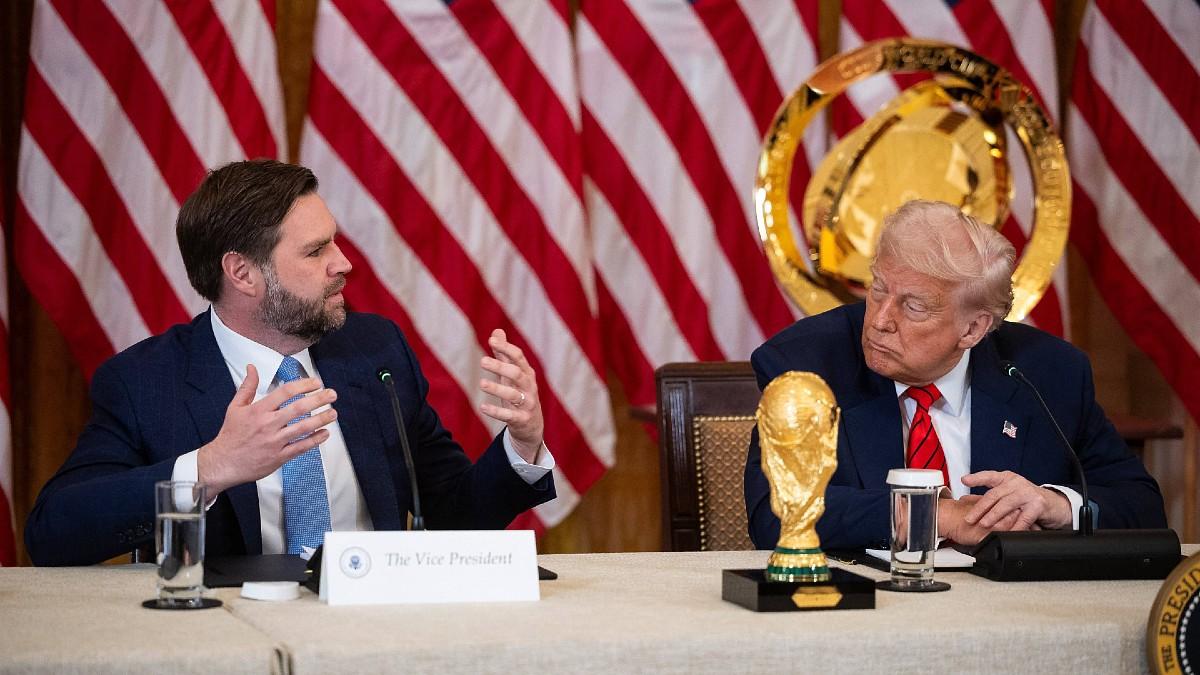
Political tensions have intensified after Trump threatened to impose a 100% trade tariff on Canada.
Gottlich later compared the situation to Cold War-era Olympic boycotts, saying: “What were the justifications for the boycotts of the Olympic Games in the 1980s? By my reckoning the potential threat is greater now than it was then. We need to have this discussion.”
German FA president Bernd Neuendorf rejected the idea, calling a boycott “misguided at this point in time” and accusing Gottlich of having “jumped the gun.”
Bundesliga chief Hans-Joachim Watzke added: “I don’t believe the time is right to discuss something like this.”
Despite the pushback, Gottlich doubled down, telling Sportschau: “Personally, I would advise against traveling given the current situation in the country. I may disagree with many of my colleagues.”