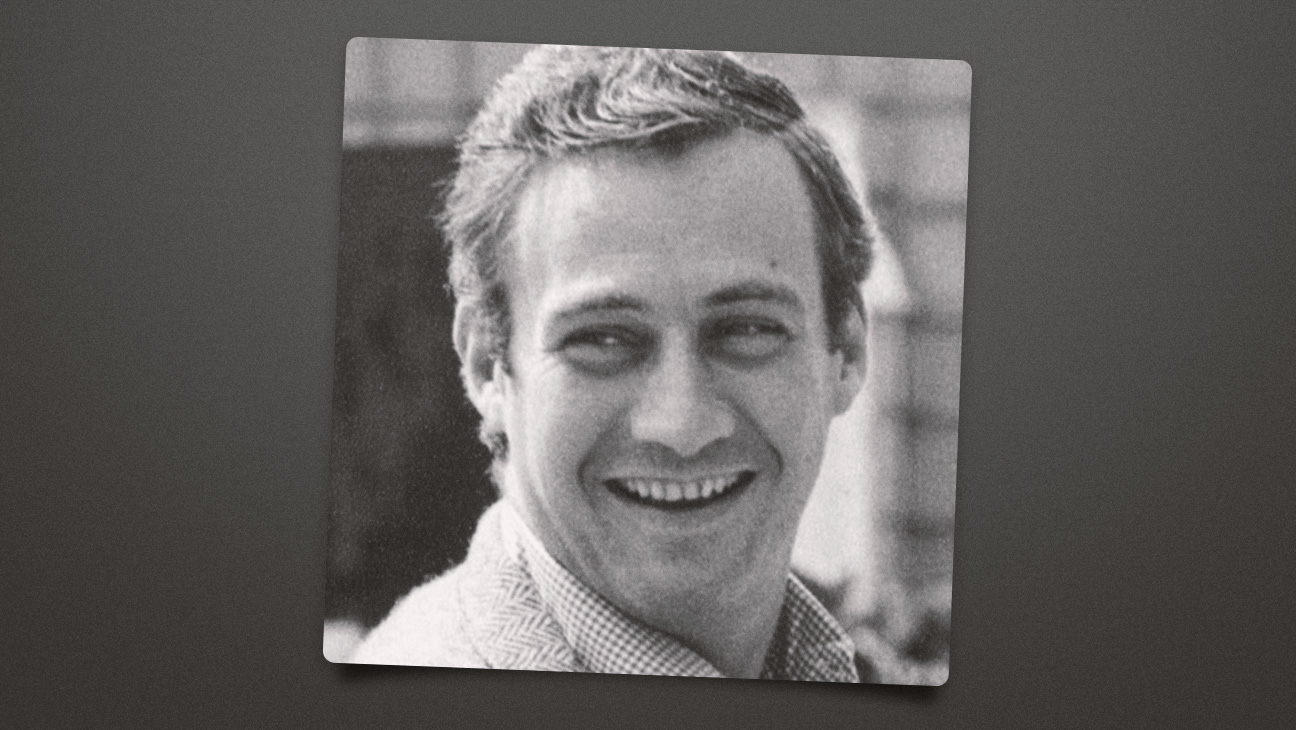
Kenneth Hyman, who produced Sidney Lumet’s The Hill and Robert Aldrich’s The Dirty Dozen and as a Warner Bros.-Seven Arts executive gave Gordon Parks the opportunity to direct his first feature, has died. He was 97.
Hyman died Thursday of natural causes in Oxfordshire, England, his friend Joie Gould told The Hollywood Reporter.
Hyman’s father was Eliot Hyman, the pioneering TV syndicator/film financier who co-founded Seven Arts Productions with producer Ray Stark in 1957. Kenneth Hyman also worked at Seven Arts, and after it bought Warner Bros. in 1967, he headed worldwide production for the newly combined company.
Parks, who had found fame as a news photographer for such publications as Life and Vogue, was looking to direct a film based on his semi-autobiographical 1963 novel, The Learning Tree, when he got a meeting with Hyman with the help of John Cassavetes. No Black person had ever helmed a film for a major American studio.
Hyman “liked my book and knew my photography,” Parks recalled in a 2012 interview with Roger Ebert. “We had a meeting that lasted 15 minutes, and he gave me the job of directing The Learning Tree. All of those years of prejudice and bigotry were broken down in 15 minutes.”
Parks also produced and provided the score for The Learning Tree (1969), which revolves around a teenager, Newt Winger (played by Kyle Johnson, son of Nichelle Nichols), growing up in Kansas in the 1920s and the events that thrust him into sudden manhood.
Parks “hired 12 Negroes to work on the production,” he told The New York Times back then. “It was a fight, because the Hollywood unions are all white, but I got enormous cooperation from Warners.”
In 1989, The Learning Tree was among the first group of 25 “culturally, historically or aesthetically significant” films selected by the Library of Congress for preservation in the National Film Registry.
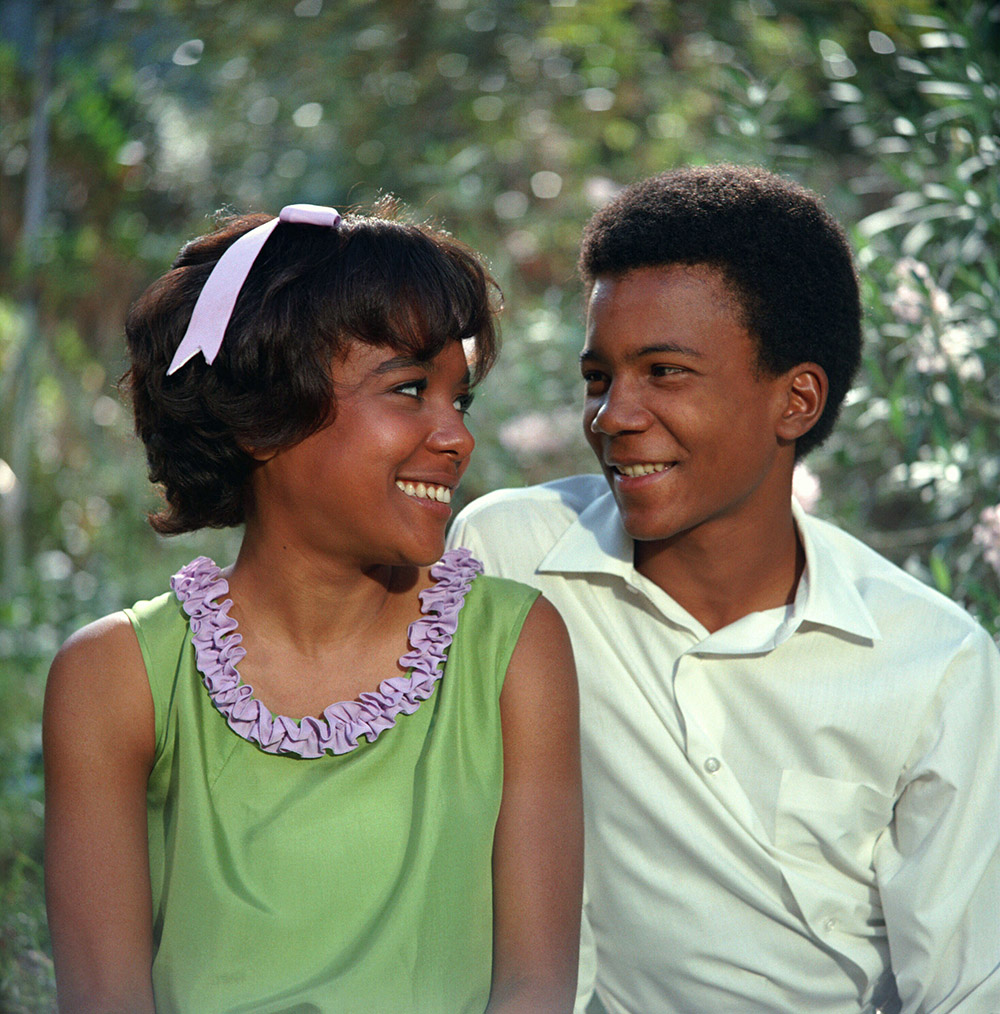
Parks emerged from his meeting with Hyman with a four-picture deal, and he went on to direct such other films as Shaft (1971), The Super Cops (1974) and Leadbelly (1976).
In a 1968 letter to Hyman and his father, U.S. Vice President Hubert H. Humphrey wrote that signing Parks won them “a place in the American story among pioneers who dared in an earlier time to bring a new land into nationhood and who, by guts and gumption, have in succeeding generations kept the United States a country of unfading hope and opportunity for all.”
One of three sons, Hyman was born in New York City on Dec. 11, 1928, and raised in Westport, Connecticut. He attended Columbia Grammar & Preparatory School in Manhattan before joining the U.S. Marine Corps, then served as a producer in 1959 on the remake of The Hound of the Baskervilles and on The Stranglers of Bombay.
At Seven Arts, he produced Gigot (1962), starring Jackie Gleason and directed by Gene Kelly, and executive produced What Ever Happened to Baby Jane? (1962), directed by Robert Aldrich and starring Bette Davis and Joan Crawford, and The Small World of Sammy Lee (1963), starring Anthony Newley.
Later, he produced The Hill (1965), starring Sean Connery, and The Dirty Dozen (1967), starring Cassavetes, Lee Marvin, Ernest Borgnine and Jim Brown, for MGM.
Films made under his watch at Warners-Seven Arts included Josh Logan’s Camelot (1967), Terence Young’s Wait Until Dark (1967), Paul Newman’s Rachel, Rachel (1968), Robert Ellis Miller’s The Heart Is a Lonely Hunter (1968), the Mick Jagger-starring Performance (filmed in 1968, released in 1970) and Sam Peckinpah’s The Wild Bunch (1969).
After leaving the company, Hyman headed European production for MGM and Universal; organized London-based Inter-Hemisphere Productions, where he executive produced Aldrich’s Emperor of the North (1973); and headed New Century Entertainment.
Survivors include his wife, Caroline; children Kate, Michael, Andrew and Dominic; and grandchildren Eliot, Arlo and Emily. He was predeceased by another son, Greg. A celebration of life is being planned.