Kelly O’Sullivan and Alex Thompson describe their last film, Ghostlight, as an “audition” for the movie they were planning to make next — Mouse, which premieres Feb. 13 at the Berlinale. With Ghostlight, they’d cast a real-life family of local Chicago actors to portray a fictional family in mourning and cobbled together a $500,000 budget to prove that they could direct their more ambitious script-on-ice for, if not quite as little money, less than what their producers at the time had indicated. But then Ghostlight launched at Sundance to raves, swiftly sold to IFC Films and pulled off a scrappy awards campaign — nabbing multiple Spirit Award noms and a spot on the National Board of Review’s Top 10 indies list. The movie cemented O’Sullivan and Thompson as filmmakers to watch.
“It was building to Mouse in a lot of ways,” says Thompson, even as, “ironically, Ghostlight grew in a way all its own.”
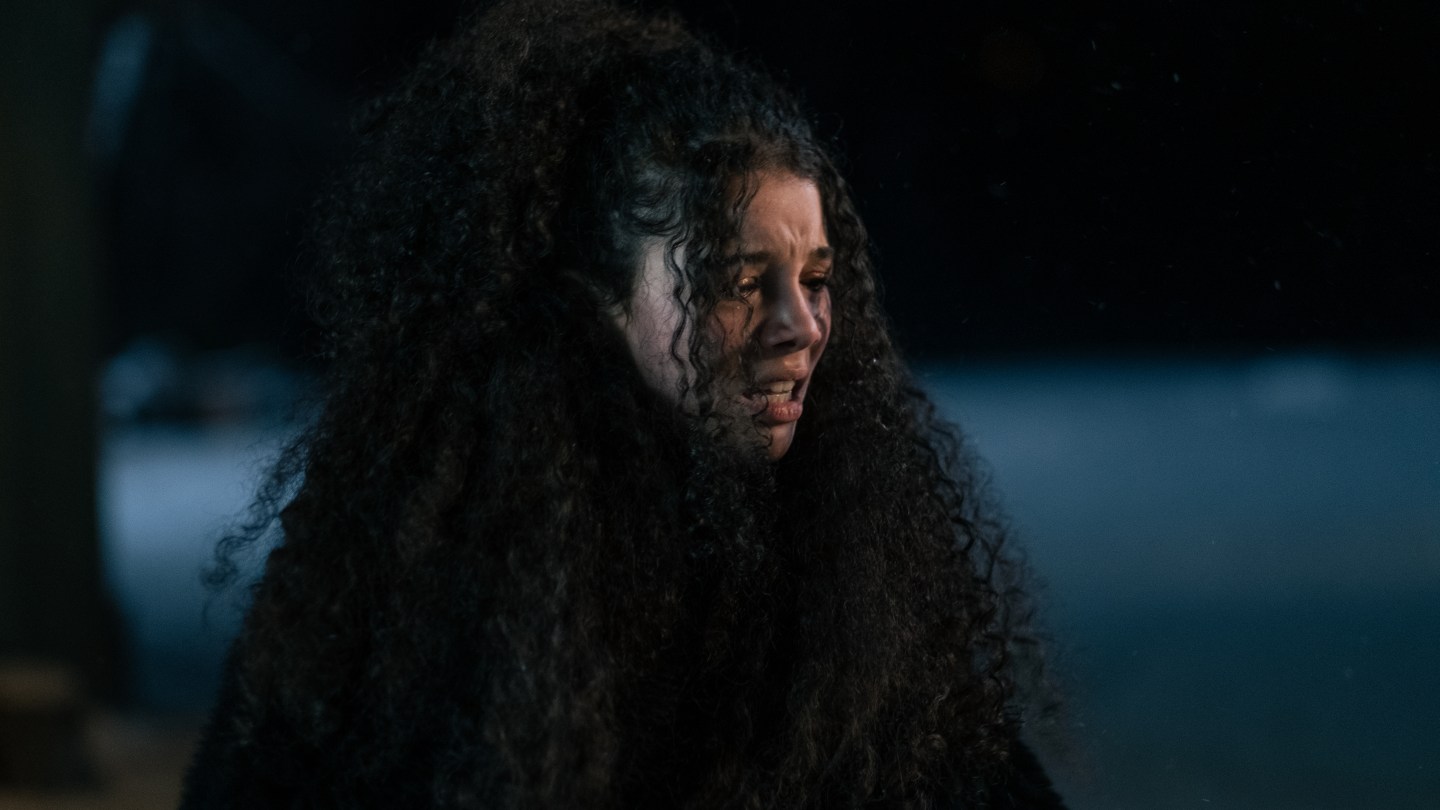
Ghostlight nailed the audition, in other words, leading us right into Mouse, a sprawling coming-of-age drama that showcases what this directing duo (who first broke out with 2019’s Saint Frances) can execute on a larger scale. They’ve got an Oscar nominee, in Sophie Okonedo (2004’s Hotel Rwanda), movingly taking on her richest big-screen role in quite some time. She plays opposite O’Sullivan and Thompson’s own discovery, Katherine Mallen Kupferer, the teen breakout of Ghostlight (in which she starred opposite her real-life parents), now digging into an even meatier role.
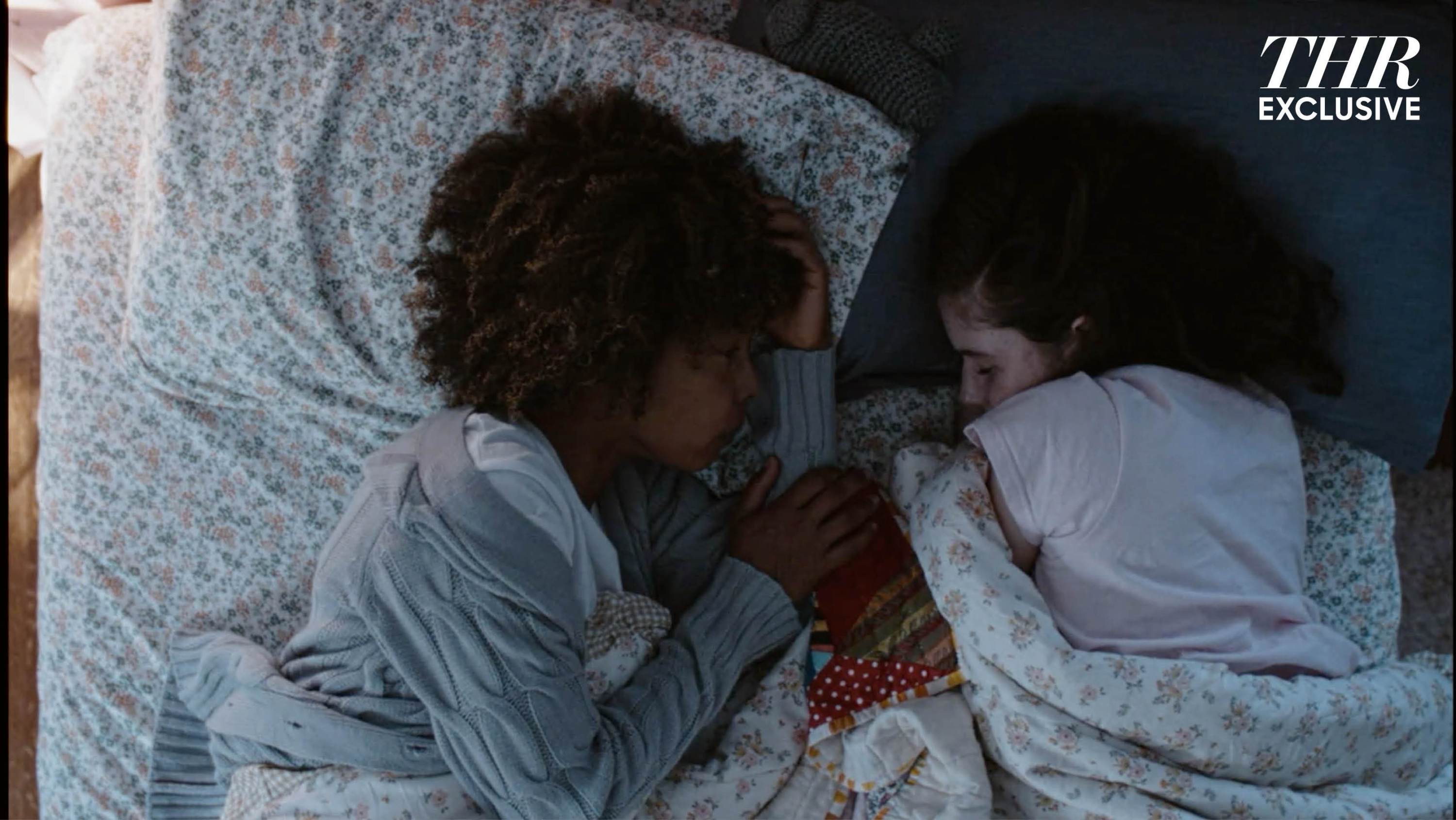
O’Sullivan, who writes the scripts that she and Thompson then helm together, had completed the draft for Mouse before the pandemic ended in 2020. “Saint Frances was written really quickly, Ghostlight was written really quickly, and Mouse is the longest I’ve lived with a script,” she says. “I kept pulling in things that I was learning as I’ve been evolving as a writer and director.” The splashy Berlin world premiere — their first at a European festival — further signals this step forward. “Ghostlight had a hero’s journey narrative, and this is a little more indirect — but I think in a good way, in the way that life feels a little more indirect,” O’Sullivan says. “There are more European films that exhibit these qualities than U.S. films,” says Thompson of the film’s intentionally rambling approach to narrative.
Okonedo, who’s also on a bit of an indie streak coming off of Annie Baker’s lyrical Janet Planet, had one main thought when she first read Mouse: How did this woman wind up in Arkansas? She plays Helen, a trained concert pianist from England who has somehow wound up in suburban North Little Rock circa 2002, raising her daughter Callie (Chloe Coleman) while trudging through an unhappy marriage. “She’s stuck in this town that seems at quite a distance from her as a person,” Okonedo says. The film opens as a kind of elegiac memory piece, anchored by the tight bond between Callie, something of a superstar in her high school drama department, and best friend Minnie (Katherine Mallen Kupferer), who often seems lost in Callie’s shadow. We also examine Minnie’s home life, with single mom Barbara (Tara Mallen, Katherine’s real-life mom), and the dynamics at her school, particularly the drama class overseen by Mr. Murdaugh (David Hyde Pierce).
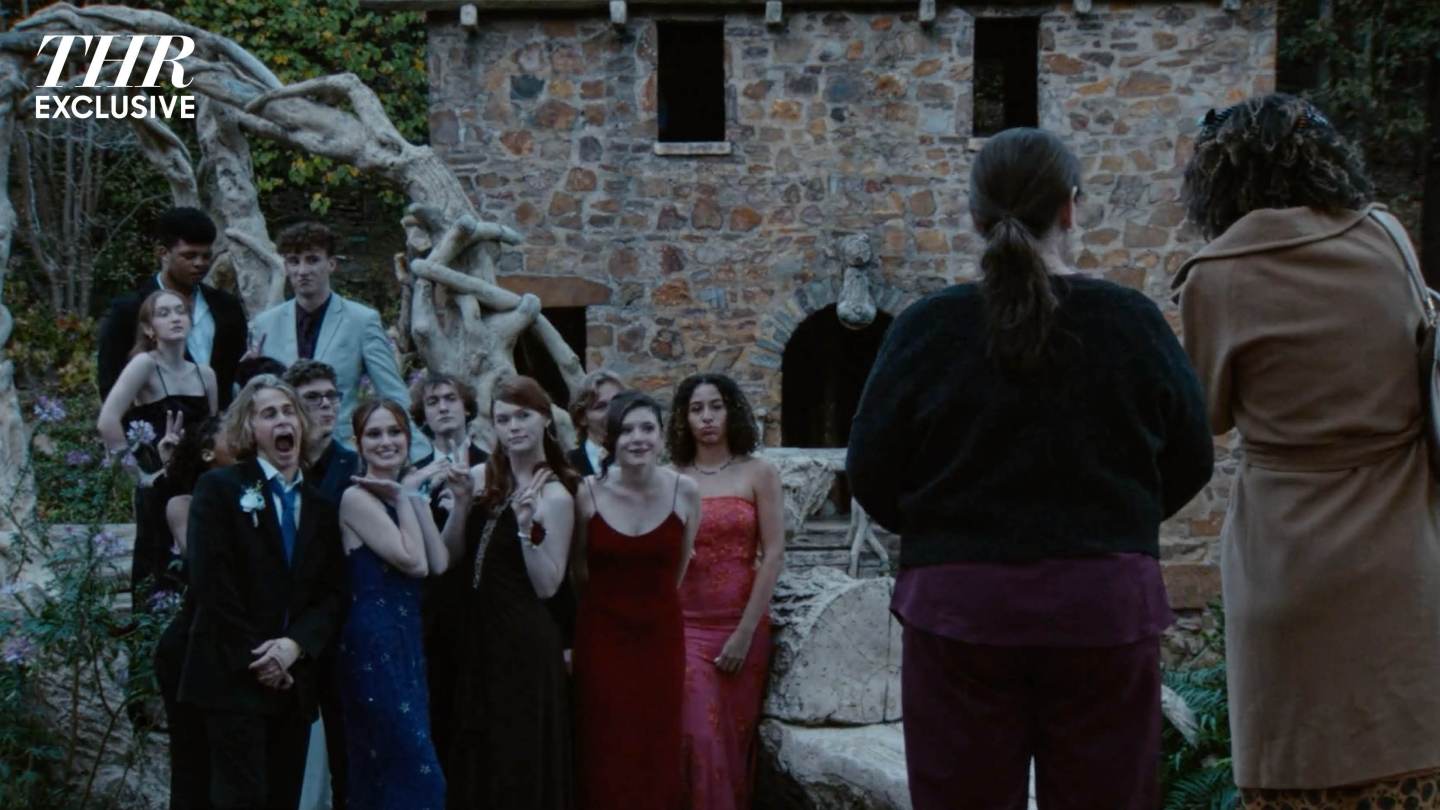
The world feels fully realized as Mouse sucks you right in. Memoiristic undertones help: O’Sullivan happened to be a teenager in Arkansas in 2002. She felt determined to shoot Mouse in her hometown — one reason the budget posed a problem for years — and at locations she vividly remembered: where she took her prom pictures, where she’d hang out after school. The dialects are exacting; you can feel the Bible Belt’s culture of Christianity subtly seeping into everyday chatter. “We shot in a lot of places that she knew very, very well,” Okonedo says. Adds Mallen Kupferer: “Living in Arkansas and just going to the store, it was just such a different experience than I’ve ever had.”
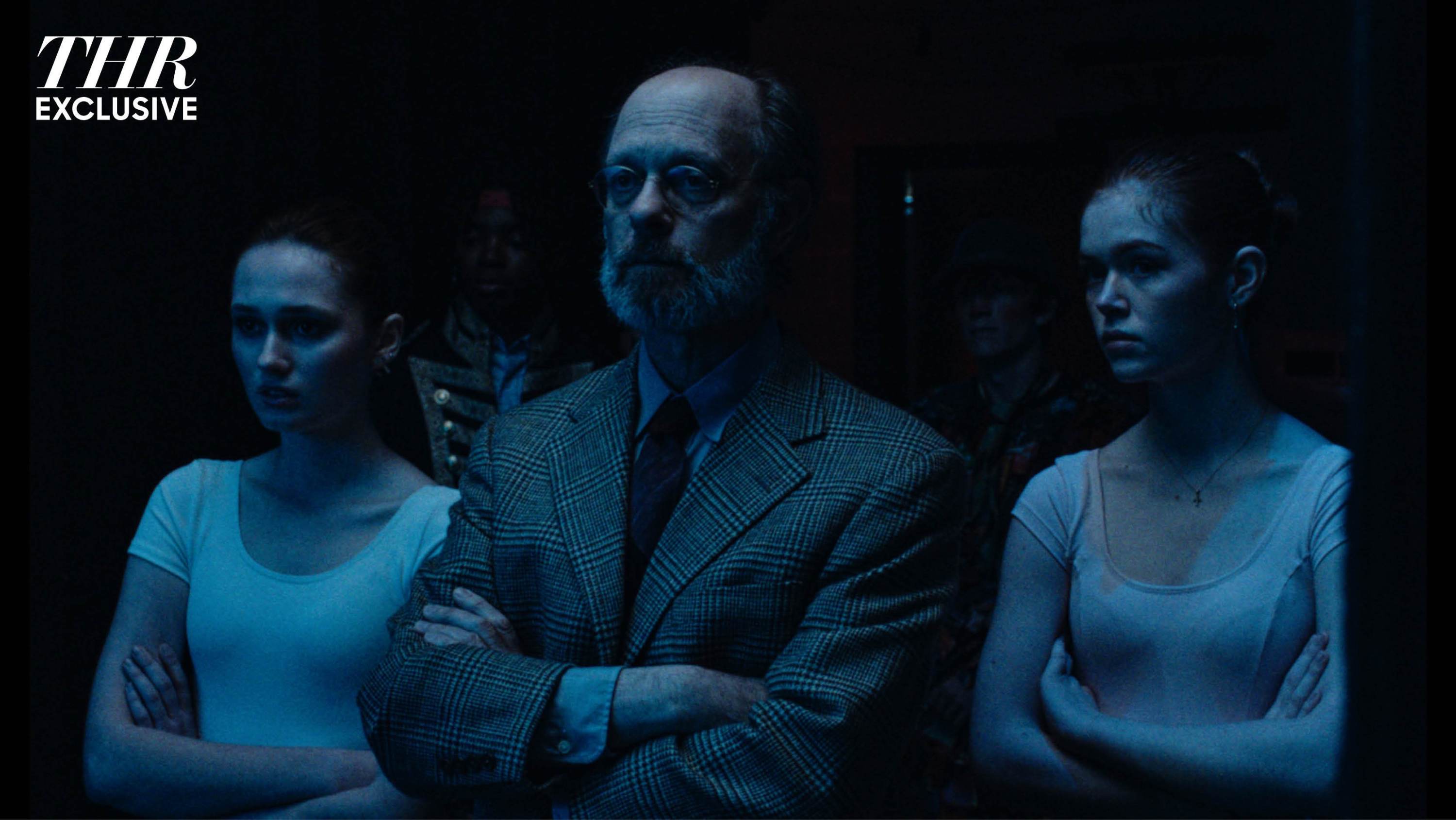
They shot on spherical lenses and often with a two-camera, two-DP setup to ensure naturalistic, emotional authenticity. It’s an intimately human drama, but you can feel significant scope in the filmmaking. “Our reference points weren’t small indies,” Thompson says. “It was like The Thin Red Line and Phantom Thread — big films that have that sense of place.”
The story’s surprise narrative turn is also inspired by an incident from O’Sullivan’s youth. “I started from that pivotal experience, and then wanted to think about it from the parents’ point of view, which was something that I couldn’t have grasped when I was 17,” she says. “By the time we shot Mouse, I was a parent — and I wasn’t when I started writing it. That was really interesting, just to have that become part of my lived experience in a movie that’s so much about parenthood.”
Mouse’s twist prods an unexpected, deep and thorny relationship between Okonedo’s Helen and Mallen Kupferer’s Minnie — two people out of place, questioning their sense of self, yearning for a different kind of connection. “Who you are in a relationship to another person is affected by that person’s personality,” O’Sullivan says of one of the script’s core ideas. In the film’s intersecting character studies, she thought even of her own dynamic with Thompson and the roles they fill as a directing pair: “Sometimes in our dynamic, especially as filmmakers, he’s known as the dreamer and I’m known as the realist — and we both sort of resent that.”
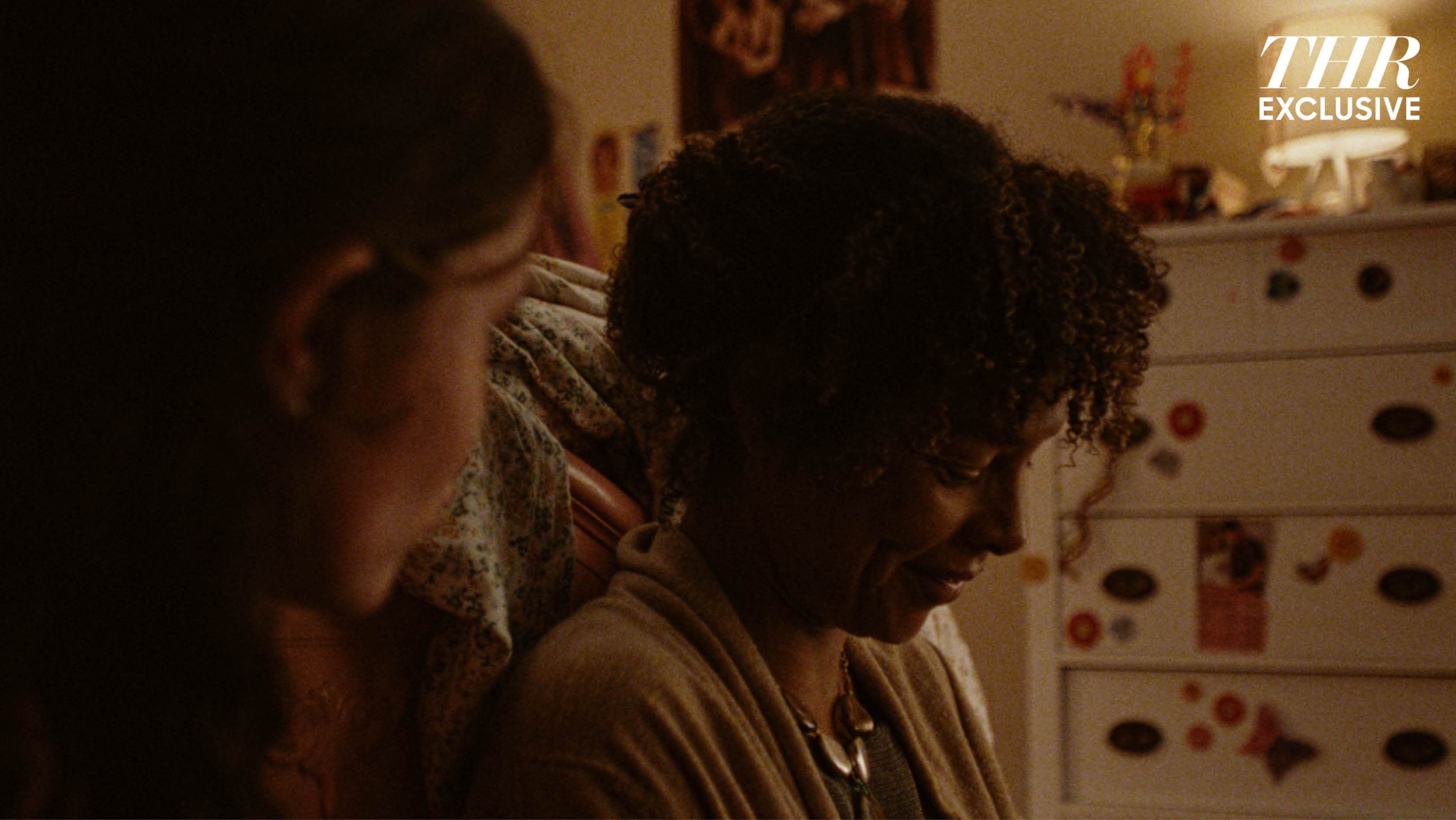
As with Ghostlight, Mouse feels emotionally experimental, observing with lifelike textures — which is to say, some messiness — what comes out of this unconventional, generation-spanning bond. It helps to have an actor as raw and often heartbreaking as Okonedo. “I think about things deeply, but it’s mostly instinctive and just trying things out,” she says of her process. “I often don’t really know how I’m going to do things until I get there.” This worked wonders with O’Sullivan and Thompson’s approach. Okonedo would walk to the set from her nearby Airbnb, wearing her day’s wardrobe and no makeup, and notice cameras already rolling. The line blurred between action and cut; scenes would keep going as long as they wanted to stay in it. “It was just an incredibly free way of working,” Okonedo says.
Mallen Kupferer, meanwhile, showcases her range. Her outspoken Ghostlight character reflected her personality more closely, whereas Minnie’s journey of slowly coming out of her shell, and into her sexuality and sense of purpose, is far more internal. “I kept thinking, like, ‘Oh, this is not something I would ever do — these girls are being so mean to her,’ and I would just be like, ‘Shut up!’ ” Mallen Kupferer says. “This was the first time I had been really challenged as an actor to not just bring myself to the table.”
O’Sullivan and Thompson’s trajectory over the past seven years marks a kind of organic rise that feels increasingly rare in American independent film — take even the shift from a Sundance to a European festival launch. But Okonedo, here working in the space she says she loves most, argues there’s wisdom to be gained from how they operate. “They work out how to do it for very little and just get it done — otherwise you’re never going to get anything done, the way things are now,” she says. “This brought me back to that thing you felt when you first started acting, where you realize, ‘I’m now doing the thing I always wanted to do.’ I was bereft when we’d finished.”
And just as Mallen Kupferer returned to the O’Sullivan-Thompson fold for Mouse, Okonedo sees a chance to build something larger with them: “We’re hopefully making a bit of an ensemble,” she says. “Hopefully this is the first of many.”
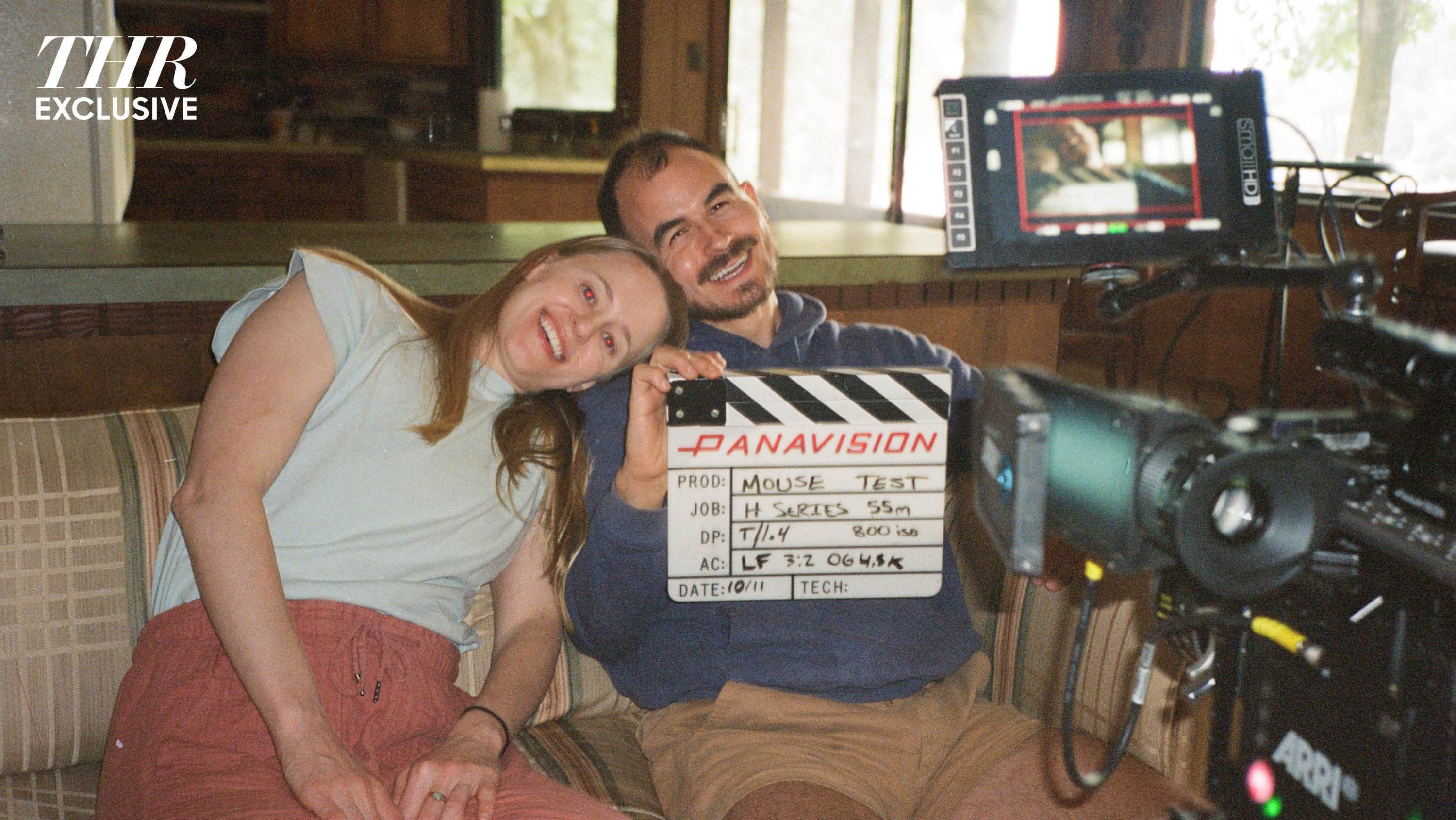
Mouse makes its world premiere on Feb. 13 at the Berlin International Film Festival.