Canada’s years-in-the-making efforts to advance First Nations filmmakers is paying off this week at the Whistler Film Festival.
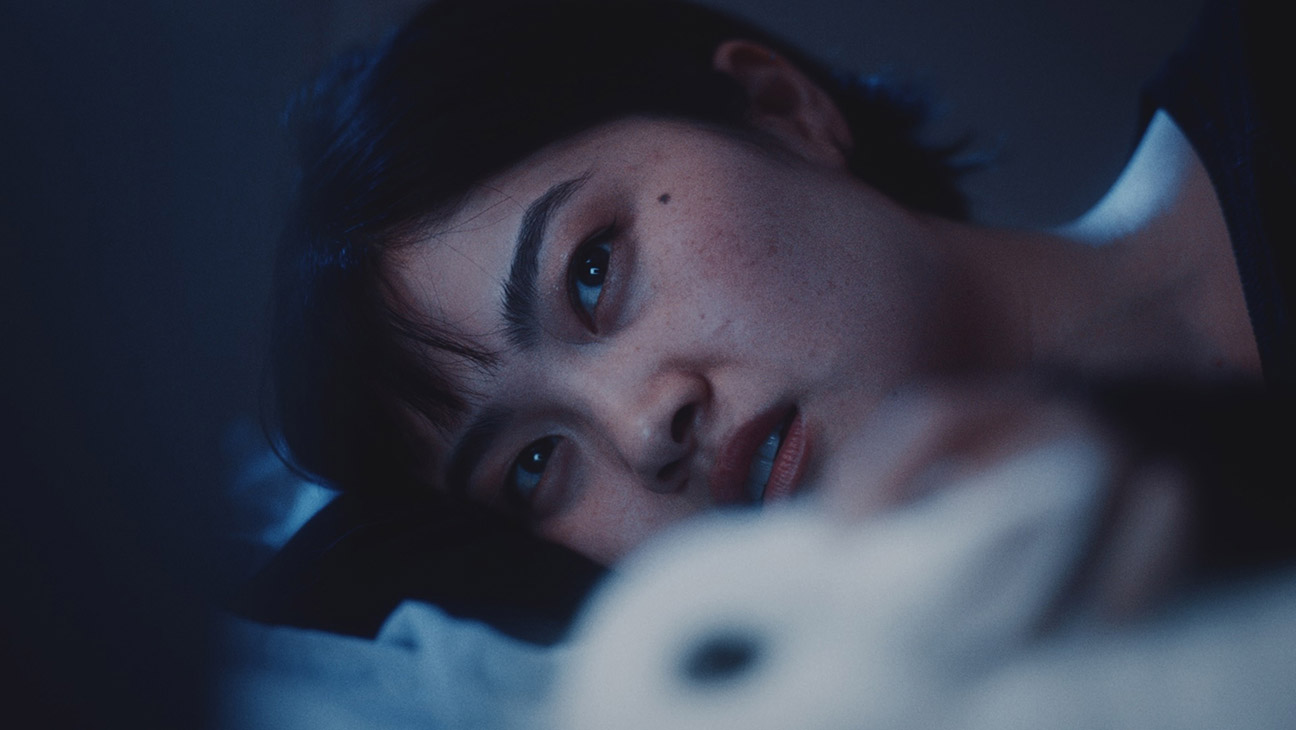
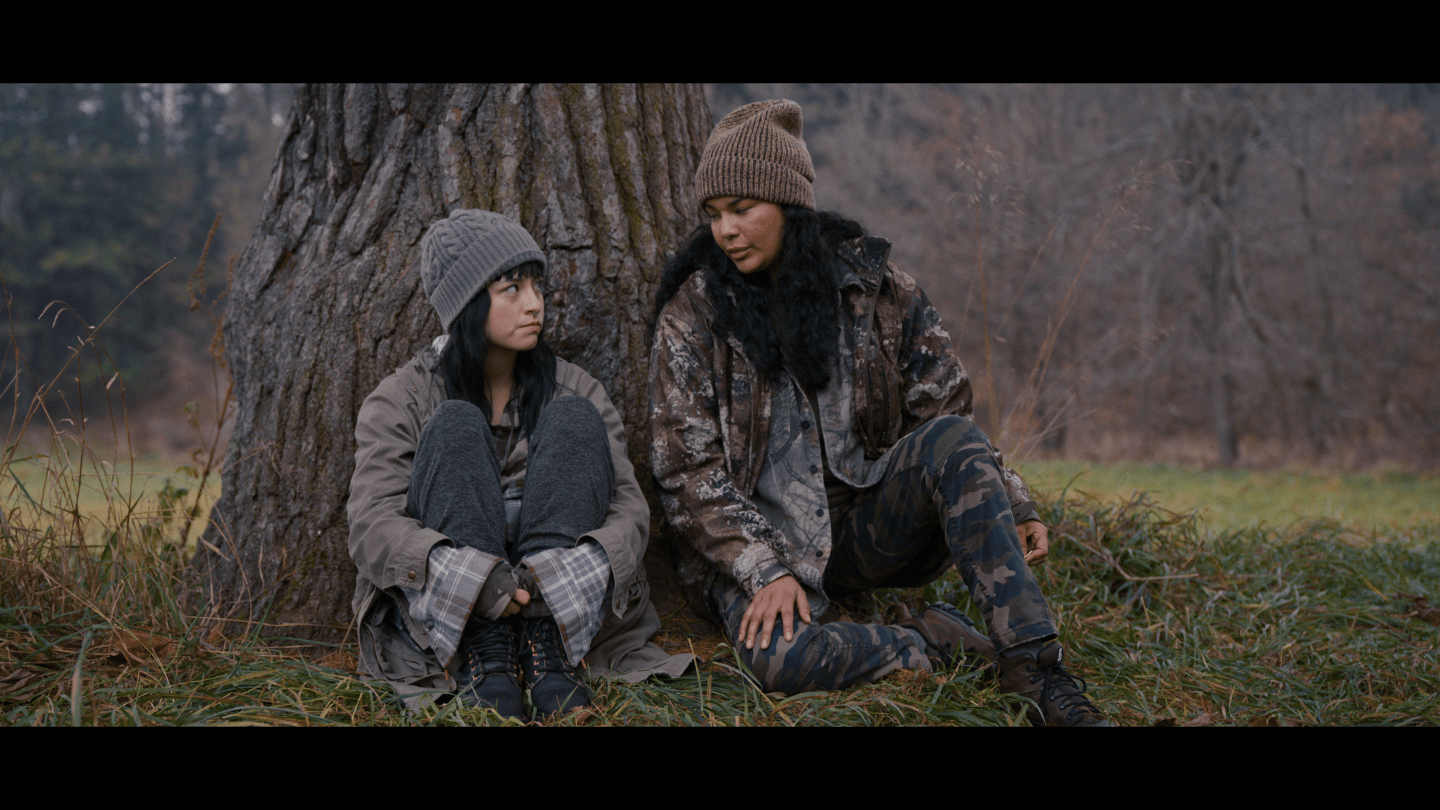
Nika & Madison director Eva Thomas is screening her first solo feature about two young indigenous women — played in the feature by Ellyn Jade and Star Slade — who are forced on the run after a violent encounter with a predatory cop. Their flight from the law becomes a feminist crime thriller set around an indigenous sisterhood, and a feature adaptation of Thomas’ earlier short film Redlights.
Thomas, while in Whistler on Friday, tells The Hollywood Reporter she aimed with her feature extension to move beyond a traditional cinematic take on police power and corruption to instead focus on the resilience and power that springs up between indigenous women on the lam.
“I was nervous about whether they were going to understand the politics, the historical context, the reality of the social climate in Canada,” the director said recalling her international premiere at the Hawaii’i Film Festival in Hawaii after a world premiere at the Toronto Film Festival.
“They really understood the film. They really felt the relationship between the girls, understood the dynamics of political brutality, which is a reality in the United States,” Thomas added of festival audiences having rooted for Nika and Madison as they come back together after an unspoken rift, and work past their differences in the wake of the event between Madison and the young cop.
Here, Nika & Madison focuses on what’s in the hearts of two young women feeling misunderstood and needing to escape to the big city on a journey of friendship and discovery.
Thomas also notes how the Canadian government and film funding agencies empowering diverse storytellers underlines the disconnect with major studios and streamers stateside feeling the political winds and dialing back on diversity, equity and inclusion programs out of fear of being branded woke crusaders for DEI.
That’s in contrast to Canada, where the local media industry has doubled down on DEI policies, and film funders and talent incubators are seeding the grass for the next generation of diverse storytellers. “In Canada, it’s more a celebration of the different voices that make us Canadian. Down in the U.S., it’s more trying to define who is American,” Thomas, a dual Canadian-American citizen, argued.
And while the U.S. market puts a premium on a film’s potential profitability as it pares back DEI programs, the Nika & Madison director counters: “That’s the story they keep saying. But Black Panther made a lot of money and Crazy Rich Asians made a lot of money. And Reservation Dogs on FX was very successful.”
A Canadian film industry underpinned by public subsidies that continues to support new voices from underrepresented communities, including Black, indigenous and people of color creatives, has allowed Thomas to evolve as a screenwriter and director. That’s in preparation for a possible rollback of DEI funding north of the border should politicians go in that direction.
“The filmmaker I was when I made Redlights was not the filmmaker I was when I made Aberdeen, and not the filmmaker I was when I made Nika & Madison, because my skillset as a filmmaker developed over time,” she argues, referencing the 2024 film Aberdeen that Thomas co-directed with Ryan Cooper.
Thomas initially trained to be an actor after graduating from Arizona State University and attended the Webber Douglas Dramatic Arts Academy in London, England and the American Academy of Dramatic Arts in New York City. But cutting her teeth as an actor in Los Angeles proved unsatisfying for the roles she was offered as Native American characters often clad in leather and feathers and riding horses.
“I thought to myself, this isn’t going to change, unless someone writes something different, and so I better learn how to do that,” Thomas recalled. And after years of learning to be a screenwriter, and also working as a story editor, she turned her attention to what she knew best by telling indigenous stories.
“It’s a combination of I love the work, and I want to create good stories, and I understand that there is a social responsibility to my community to tell stories that reflect this in a good way,” Thomas explained.
The Whistler Film Festival runs through to Sunday.