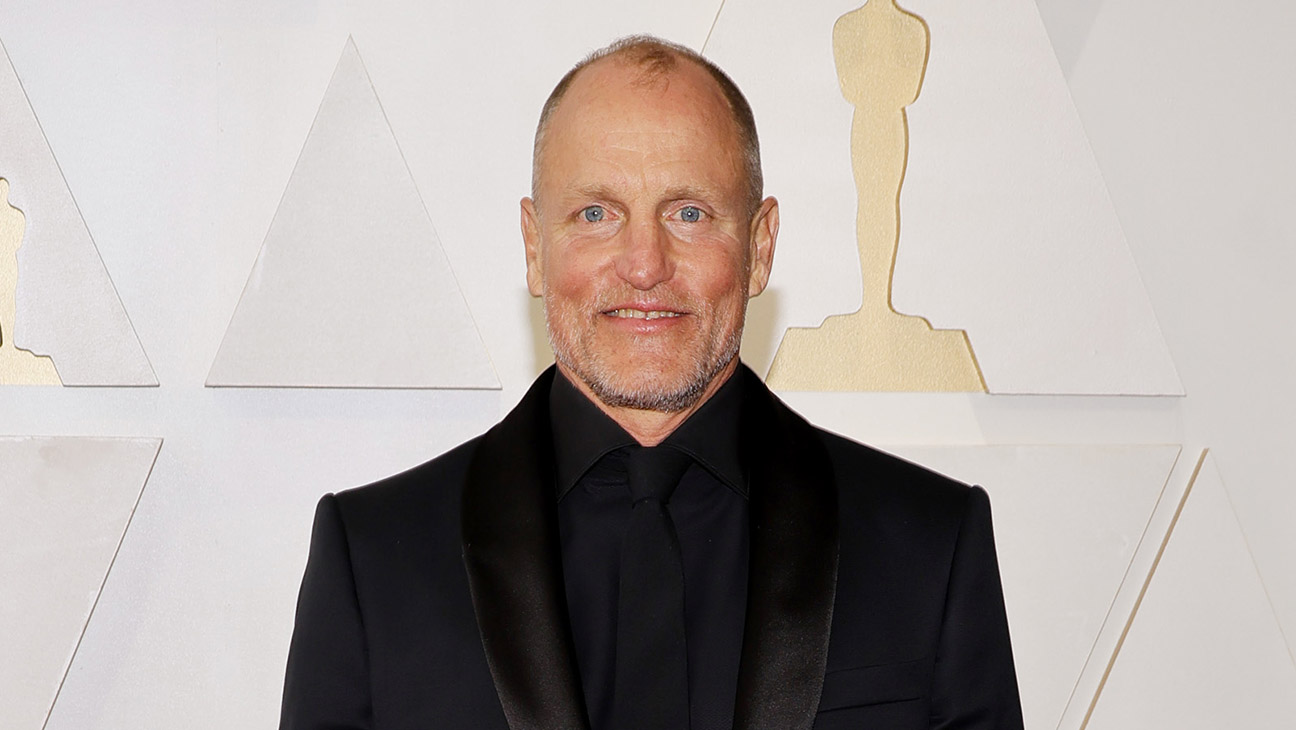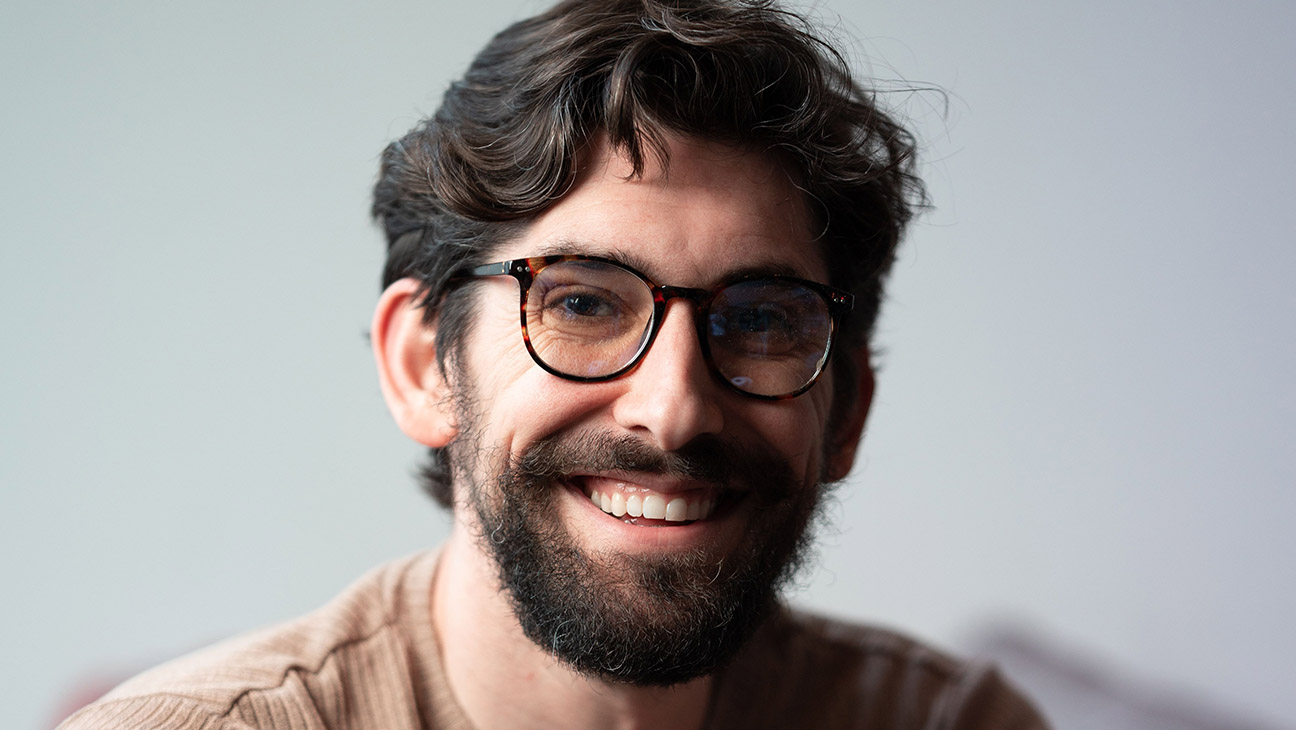
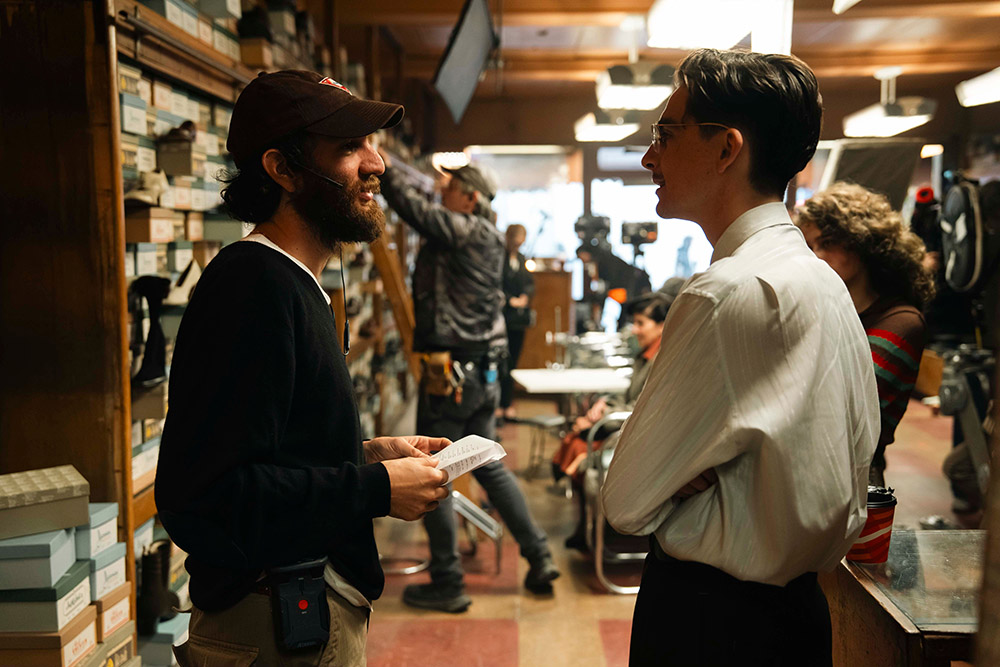
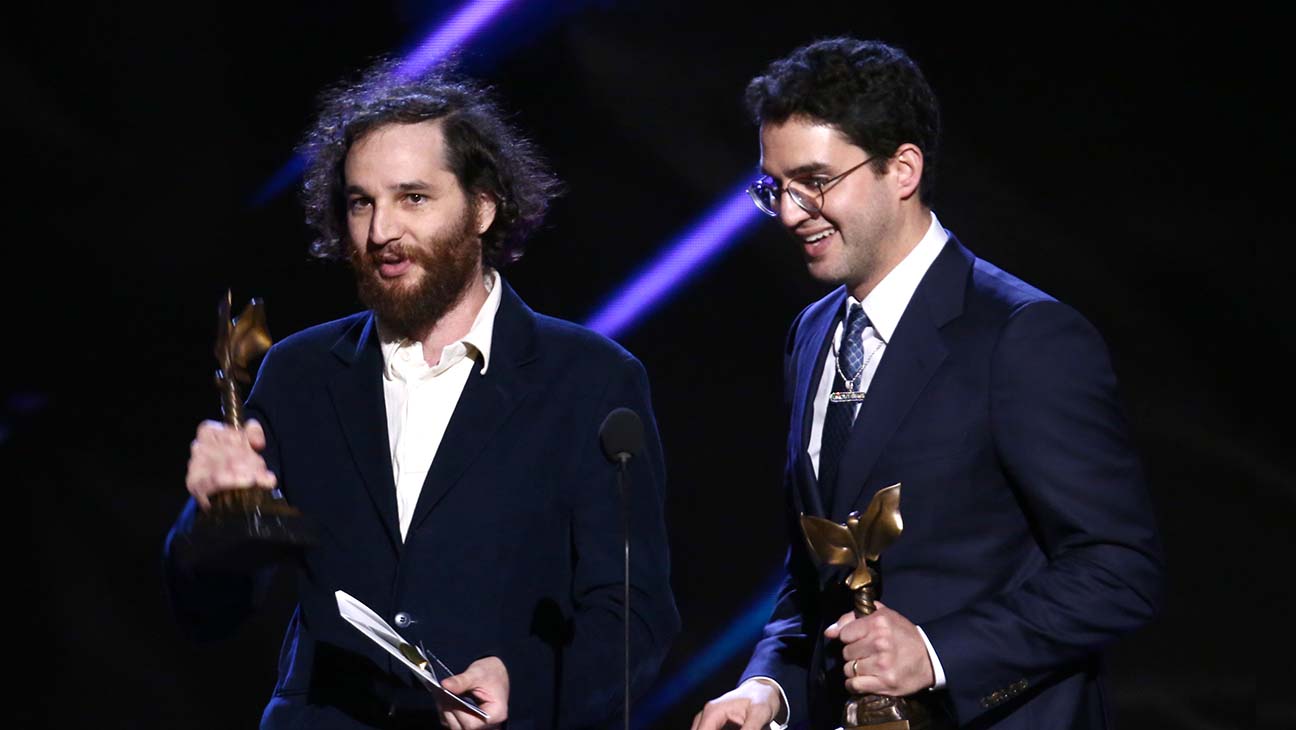
For the past year, rumors have swirled surrounding the nature of the professional split of Benny and Josh Safdie, brothers and directors who together made defining A24 films of the 2010s, like Good Time and Uncut Gems. They found themselves in an unusual situation for 2025: Each came out with a major, unusually pricey film for the expanding studio that the other was not involved in, toplined by a huge star (Dwayne Johnson in Benny’s The Smashing Machine and Timothée Chalamet in Josh’s Marty Supreme, respectively), and expected to figure prominently into the awards conversation. Their releases were only a few months apart. They spoke carefully and respectfully of moving on from one another in their filmmaking careers.
“Emotionally, it was different — you spend so much time directing with one person — but it felt natural in some ways,” Josh told me in October. A few months before that, I’d asked Benny about having their own movies premiering a few months apart from each other. He called the moment “exciting”: “It was just fun to know that we were both doing something at the same time at separate moments.”
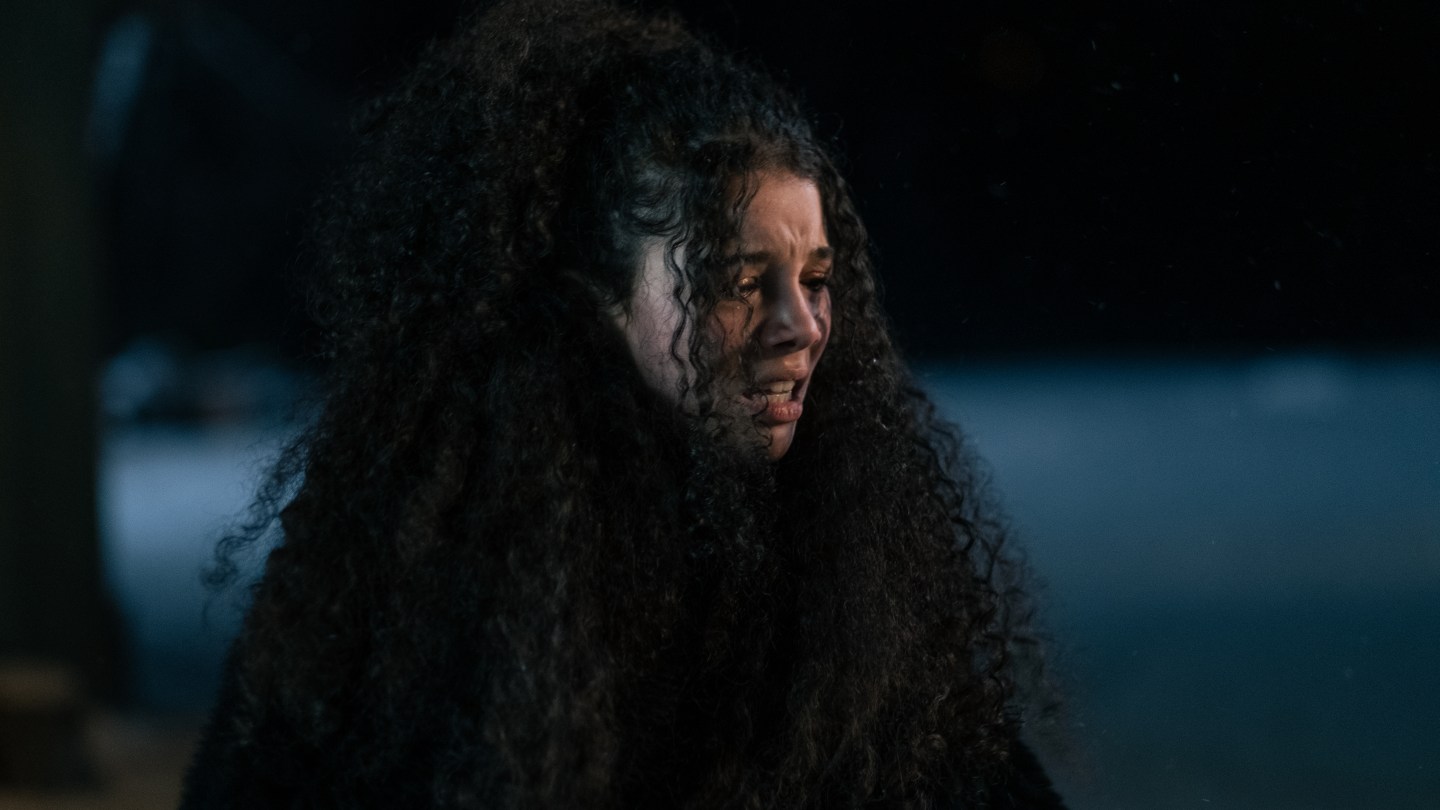
The tone there is strikingly at odds from the cover headline for Monday’s inaugural California Post edition: “Oscar Wild: Shocking truth behind Safdie brothers’ mystery split.” The story argues that an incident on the set of 2017’s Good Time precipitated the break-up. The formerly incarcerated Buddy Deress, brought in as part of the Safdies’ and casting director Jennifer Venditti’s street-casting process, allegedly exposed himself to and lewdly propositioned a 17-year-old girl making her screen-acting debut in the movie, with Josh directing from the monitor and continuing to roll cameras while Benny was operating the boom mic. The situation had previously been reported by the Post story’s writer, Tatiana Siegel (formerly of The Hollywood Reporter), who wrote that Josh knew of the girl’s age, but Benny did not — until her initial reporting surfaced a few years ago. “It was the final straw for Benny,” the story asserted.
Sources close to the brothers acknowledge they currently have a “complicated relationship,” but insist that the situation is far more nuanced than the fallout of a years-old incident, even if it did play a part. They attended each other’s premieres last year and also spent Thanksgiving together. They have different styles of working, I’m told, and both have also previously spoken of a creative motivation for going their separate ways. “I was like, What do I want to do?” Benny told me last summer of the thinking behind making Smashing Machine on his own. “It was literally like, ‘What about the thing you haven’t stopped thinking about for four years? That’s it!’”
Marty Supreme was nominated for nine Oscars last week, including best picture, actor (Chalamet), director (Josh Safdie), and original screenplay (Josh Safdie and Ronald Bronstein, who also co-wrote Good Time and Uncut Gems). Where Marty Supreme is A24’s highest-grossing film ever in North America with $86.2 million to date, The Smashing Machine struggled at the box office and, despite strong reviews for Johnson (he was nominated for a Golden Globe), received only a make-up and hairstyling nomination from the Academy.
The Post story has sparked speculation around town and online, with several veteran insiders unaffiliated with either movie raising an eyebrow at the timing and nature of the story. Yet its reported details, however in the past, remain disturbing. Josh and Benny Safdie declined comment for this story.
There was also the matter of a separate story about Marty Supreme that had been published the week prior, on the day that Oscar nominations were announced — and that also took aim at its campaign. The Daily Mail headline: “Ugly row threatens to cloud Timothée Chalamet’s bid for Oscar glory.”
The family of Marty Reisman, the late table-tennis champion whose story inspired Safdie to make Marty Supreme, told The Daily Mail that they did not bless the film and argued the producers “profited while externalising harm, and invoked Marty’s name without attribution or compensation.” (Chalamet’s character is named Marty Mauser.) With an original narrative and various invented character details — though Reisman and Mauser do share certain physical traits and biographical notes, including a stint performing for the Harlem Globetrotters — Josh Safdie and his colleagues have argued they wrote a fictional story.
Josh grew up surrounded by table tennis, with several generations of players in his family, and committed to making a film set in the world once his wife, Sara Rossein (executive producer and researcher for Marty Supreme), picked up a copy of Reisman’s autobiography, The Money Player. “It had this kind of funky-looking guy on the cover,” Safdie told me in the fall. “I showed it to Timmy because he and I were talking at the very beginning of all of this. I said to him, ‘I want to do a movie in this world. Check out what this player looks like.’ He’s like, ‘Holy shit, that looks like me.’”
Josh called Reisman’s biographical notes in the film points of “homage,” explaining, “He was my entry point into the world.”
A few days after the Daily Mail article was published, several journalists from various outlets (including myself) received an email linking to a story aggregating its contents. “Never reward any screenwriter, producer, or filmmaker who embellishes the truth especially when it reprehensibly profits off of one who is no longer alive along with their beleaguered families,” the conclusion of the email read, before being signed off by a person named Sal Davis. The email was screenshotted on X by The Bulwark’s culture editor and critic, Sonny Bunch, who wrote, “Between this and the California Post story on the Safdie split, someone’s really running an old-school Weinstein Company-style smear campaign.” It’s a sentiment I’ve been hearing a lot over the last few days.
We are beyond the era of old-school Oscars smear campaigns, of course, and now firmly navigating the murkier waters of the social-media era. Just take last year’s big awards-season big scandals. Hateful old X (then Twitter) posts from Emilia Pérez star Karla Sofía Gascón were uncovered by the writer Sarah Hagi, and promptly derailed that movie’s campaign; the kerfuffle around The Brutalist’s use of AI for Hungarian dialogue began after editor Dávid Jancsó discussed it in an interview with the video-tech publication Redshark News — not exactly a typical awards-promotion destination.
Yet Marty Supreme finds itself in a more traditional spotlight, taking up inflammatory Page Six and Daily Mail headlines, even as it’s considered a longshot to win any Oscars beyond best actor, for which Chalamet remains the front-runner, and original screenplay, where it’s a player in a competitive race (its flag was planted early with a win for the New York Film Critics Circle prize). Real people and their loved ones speaking out against fictional films either directly or loosely inspired by them is also a longstanding tradition in this game. Other original-screenplay contenders to have faced this range from Tárto Selma. In the former’s case, there was little impact; in the latter’s, after all was said and done, its final nomination tally surely took a hit.
As for the impact on Marty Supreme? That remains to be seen, but one unaffiliated insider put it to me best: “Here we go again.”