The International Film Festival Rotterdam (IFFR) is inviting cinema fans to its 55th edition, which kicks off this Thursday and runs through Feb. 8.
Hundreds of film screenings, talks and other events await Dutch and international cineasts, with the program ranging from more popular fare to envelope-pushing arthouse movies. Emerging voices and such big names as Tilda Swinton, The Secret Agent director and Oscar contender Kleber Mendonça Filho, and John Lithgow will come together in the Dutch city for a celebration of film in a wide variety of genres and forms.
A focus on women’s cinema in honor of the 60th anniversary of the National Organization for Women, a retrospective for an Egyptian filmmaker, and a showcase of movies from displaced directors, including Iranian auteur Mohammad Rasoulof, financed via a fund launched last year with Cate Blanchett, are among the special programs this year.
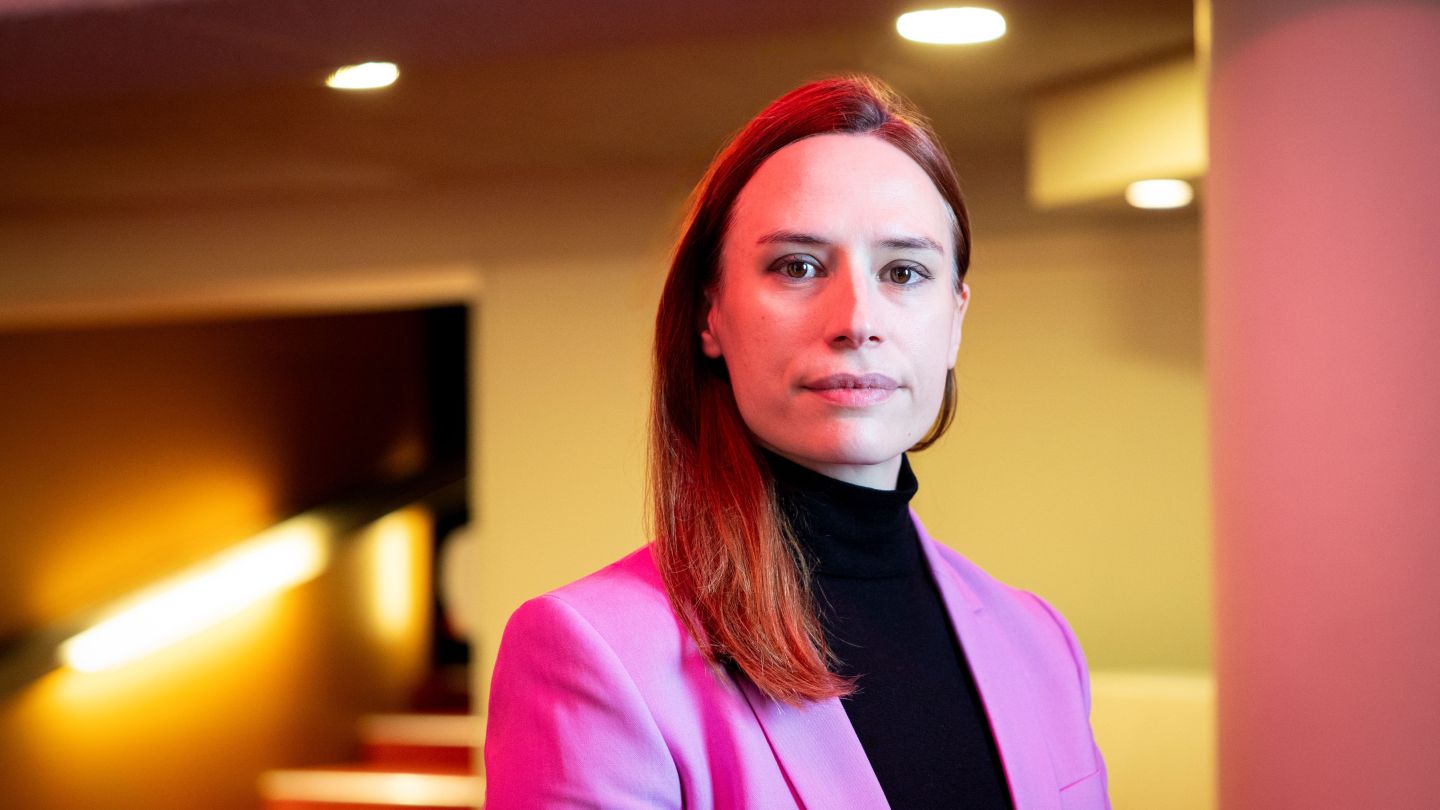
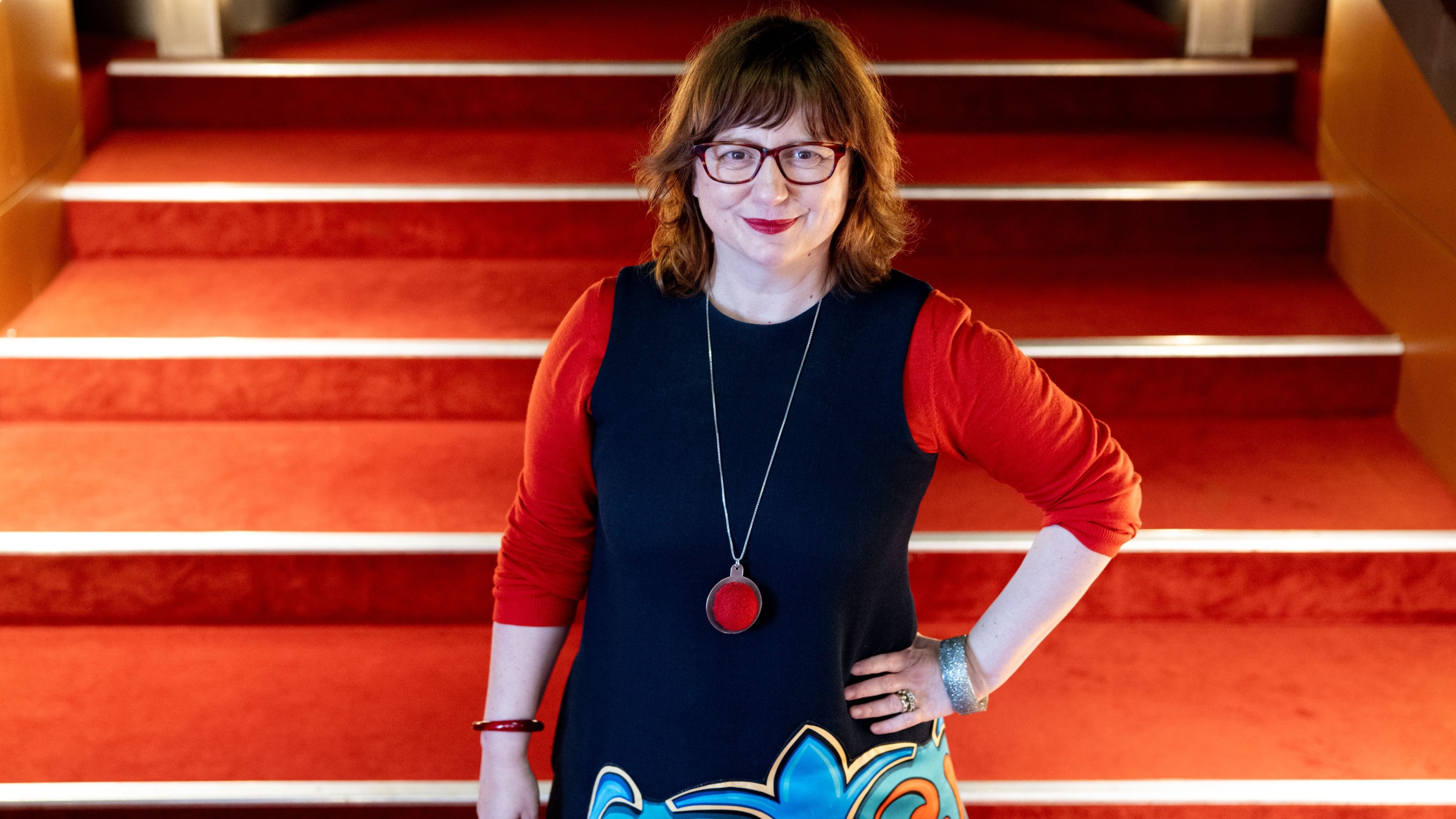
Vanja Kaludjercic, festival director at IFFR, and Rotterdam managing director Clare Stewart, in a chat with THR, discussed the role of the festival and previewed what’s in store for the 2026 edition, the trends they see, and what is key to the right programming mix and balance of offerings.
How do you see your role as festival programmer, Vanja?
Kaludjercic You work with a big number of films, and you’re trying to really represent and be this mirror for what’s happening in the world – and it’s just crazy to see where we are with the world today. But it’s also about how we want to think of and discuss the world we live in, and highlighting underrepresented voices in it.
IFFR is a big general festival, but we also have very clear ideas about using our special programs and focus programs to really dive into certain subject matters that are often underexplored, or we like to show them from a certain perspective that they have not necessarily been observed from. A very good example of that is “The Future Is Now,” in which we are going to celebrate the 60th anniversary of the National Organization for Women and look at second-wave feminism.
How did you choose the films for this feminist focus program?
Kaludjercic There is something very interesting that happens in this program, which goes beyond stereotypical expectations that one can have, such as ferociously debating certain ideas, which is totally fine. But what we are trying to do with this program is use animation as a starting point. Animation opened this completely different space, and there is a certain kindness and sweetness to this program that one would not necessarily expect to find in this place. It is a very interesting perspective to take.
Female filmmakers didn’t have a chance to make so many feature films back then, which is why we often look towards television when looking for female filmmakers of the 1960s and ’70s. So, the short film form and animation were often used and gave so much more liberty to express things in a more unconventional way. That is something that is really in the DNA of IFFR and how we are creating our program. We spend a lot of time searching for the subjects and how to best present them with the focus on putting a spotlight on something different, new perspectives that can enrich us.
Tell me a bit about the regions that have an unusually strong presence in this year’s program.
Kaludjercic When you look at the entire Tiger Competition of 12 films, we have three films from the African continent. [They are Hugo Salvaterra’s My Semba from Angola, Ique Langa’s O Profeta from Mozambique, and Jason Jacobs’ Variations on a Theme from South Africa.] Plus, in the Big Screen Competition, we have a fabulous film from Algeria, The Arab [by Malek Bensmail].
All that is really a testament to the fact that there are a certain number of filmmakers who are doing extraordinary new work there, but also with a language of cinema that shows a desire to express things and speak about their own environment in a way that uncovers something new. For example, in our Bright Future, we have Let Them Be Seen from a female filmmaker [Nolitha Refilwe Mkulisi] in South Africa that has such an idiosyncratic view of the world that is really fantastic.
Africa, and especially sub-Saharan Africa, is not as commonly represented in competition programs or festivals overall, so the fact that we can name so many films is quite an achievement.
The Bright Future lineup also includes Yasser Shafiey’s Complaint No. 713317. Tell me a bit about the Egypt spotlight this year.
Kaludjercic Yes, one of the first programs that we announced this year was actually a retrospective of films by Egyptian filmmaker Marwan Hamed, who has broken box office records at home and has made films that have such a range of topics and genres and has been groundbreaking for Egypt, because it’s very much embedded in popular, commercial cinema. We also have the European premiere of his latest film [El Sett, a biopic of Egyptian singer and actress Umm Kulthum, starring Mona Zaki (Flight 404) and Mohamed Farag (Voy!Voy!Voy!)].
How has the Rotterdam collaboration between you two developed and evolved?
Stewart I’m largely responsible for the business side of the festival, but there are a lot of ways in which we strategically engage across big moments and themes. One of the things we see ourselves strengthening as an organization is our response to the current world climate and the issues that we see around displacement in particular.
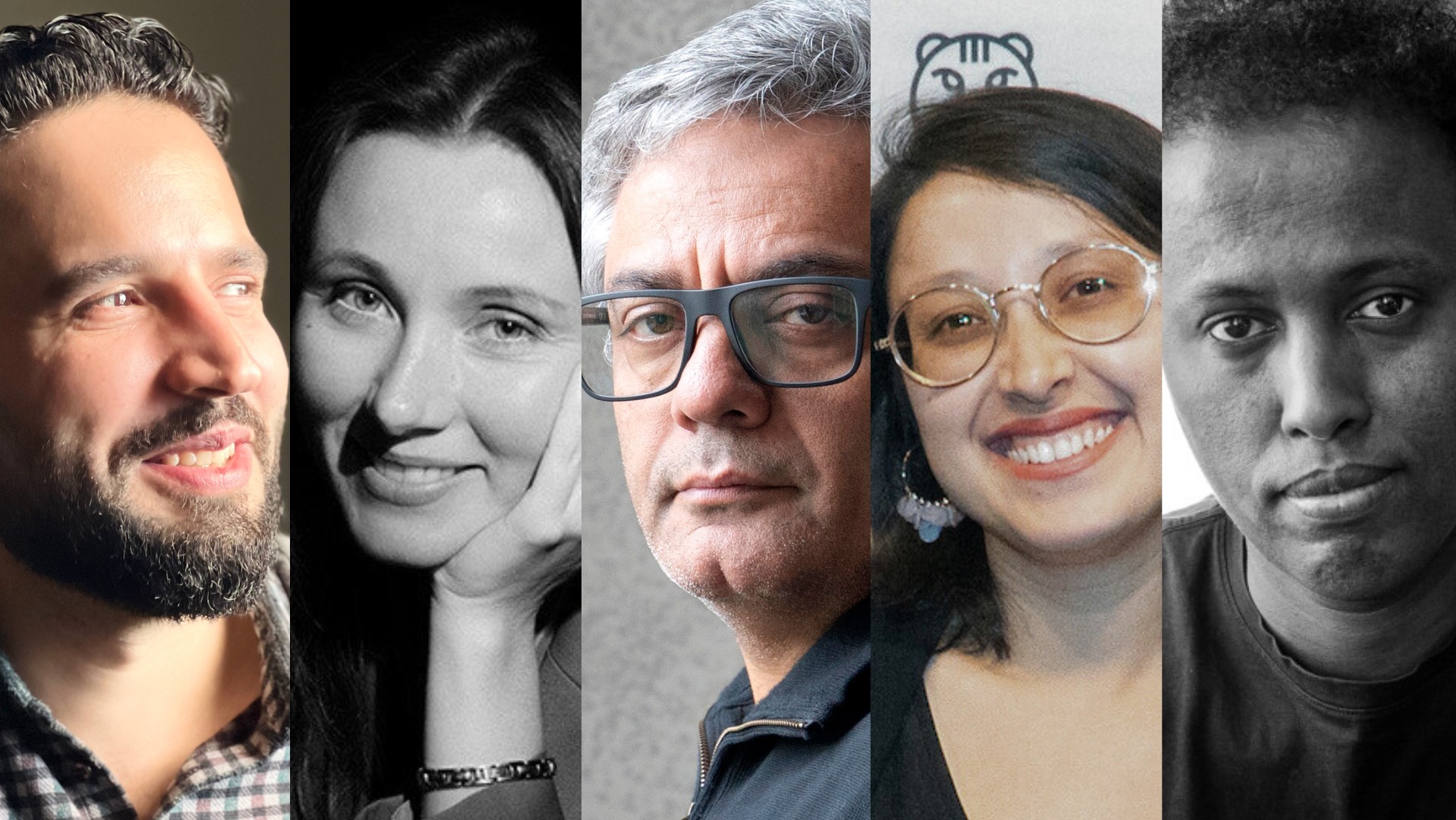
At the 2025 edition, we launched the Displacement Film Fund with Cate Blanchett, and we’re super-excited to be bringing those first five films that were awarded grants to Rotterdam this year. They are from Mohammad Rasoulof, Mo Harawe, Maryna Er Gorbach, Shahrbanoo Sadat, and Hassan Kattan. The deep work that has gone into that initiative is also strongly echoed by a new initiative we have announced as part of the IFFR Pro activities called Safe Harbour. I don’t know if you want to
Kaludjercic With that, we want to [target] filmmakers who have projects in development but had to leave their own countries for reasons of political persecution, war, or another reason for not being able to be safe there. Once these filmmakers come to Europe, they can [turn to] Safe Harbour.
Actually, one Tiger Competition film speaks exactly about that experience, Unerasable! by a filmmaker with the most astounding pseudonym ever: Socrates Saint-Wulfstan Drakos. It speaks about the journey to Europe and the different kinds of oppression, from political oppression to bureaucracy. For a lot of filmmakers, what happens is that they often don’t have the right to access national public funding and other resources, which can become incredible hurdles. So, Safe Harbour is this year hosting four filmmakers with their projects in development, and all of them are coming from countries in which they can no longer work. They are from Palestine, Myanmar, Sudan, and Syria.
Stewart The work in this space comes very much out of the DNA of the festival and its partners, such as the Hubert Bals Fund and the International Coalition of Filmmakers at Risk (ICFR), charitable foundations, alongside a very substantive corporate partner in Uniqlo.
Clare, you have in the past run the Sydney and London festivals. Has the role corporate players are looking to play in partnerships with festivals changed?
Stewart Over the sort of 25 years that I’ve been working in the festival landscape, we really see that the way corporate culture wants to engage with festivals has changed so radically. Where we are now is very much this space of social responsibility, of thinking about sustainability. It’s very much about aligning around those elements of sustainability and innovation. That’s an exciting development that really comes out of people buying into the notion that business is not over here and creativity is over there. These two things strongly inform each other, and by bringing them together, we can make a much more substantive impact.
Vanja, how important is it for festivals to make political gestures today?
Kaludjercic It’s very interesting that you’re bringing that up. For us, it has always been like that. We have always embraced the world and wanted to speak of stories that didn’t have so much visibility. Maybe today they are more at the forefront, maybe that has just shifted. But in many ways, the legacy of IFFR has always been to give voice, to give visibility and opportunity to those cinemas and voices without the infrastructure that bring some of the most urgent or even most beautiful things that the world should know about. It’s about being a mirror to the world we live in, or defending some of the ideas we feel we should.
But it can also sometimes be about escapism as well. If you want to come inside a cinema and completely lose yourself and experience stories that offer refuge, that is also possible at IFFR. The festival has always had a range, and keeping that balance is very important.
Stewart To your point, there is no shortage of entertainment. And one of the things I really admire about Vanya and the team’s programming is their commitment to the idea of finding those unusual spaces. The retrospective is a case in point, because there are very different styles of Egyptian cinema, with an artist who also embraces a very popular and genre aesthetic in a lot of cases.
Our goal is always to make sure the festival is dynamic and bring it into the future as an ongoing refuge for films that might not find their feet in other ways. That is super important, and we’re very committed to that.
I hear the Rotterdam audience is very open to both the popular and the more experimental cinema experience…
Stewart It’s a really famous aspect of Rotterdam audiences. When you’re here, you can really discover this first-hand. We have a very, very adventurous audience. It’s almost like the 55-year history of the festival’s commitment to looking at cinema through a very wide and curious lens has made the health of cinemagoing in this city really strong. That has contributed to those curious audiences that we benefit from engaging with.
How important is star power at Rotterdam?
Kaludjercic IFFR has cultivated its audiences for 55 years with some of the most unusual choices of what to put at the forefront. So in a way, the biggest star is as welcome at the festival as a first-time filmmaker. Our audience is equally happy and gets excited for both. I feel yjay is one of the most important characteristics of the festival: it’s egalitarian to a certain degree, it has this kind of democratic sense, and a plurality of voices and figures. And different visions of cinema are equally embraced.
Overall, there is such a sense of championing both big filmmakers people admire and discovering new talent. This spirit of informality and egalitarianism is very precious, and something that we continuously want to nurture. It’s about the passion. I think this is something that everybody who keeps returning and wants to come shares – this passion and love for cinema in so many different shapes and forms.