In some ways, Silenced, a documentary premiering at this year’s Sundance Film Festival, acts as a post-script to the MeToo movement, a time when individuals felt empowered to speak out against perpetrators of gender-based violence.
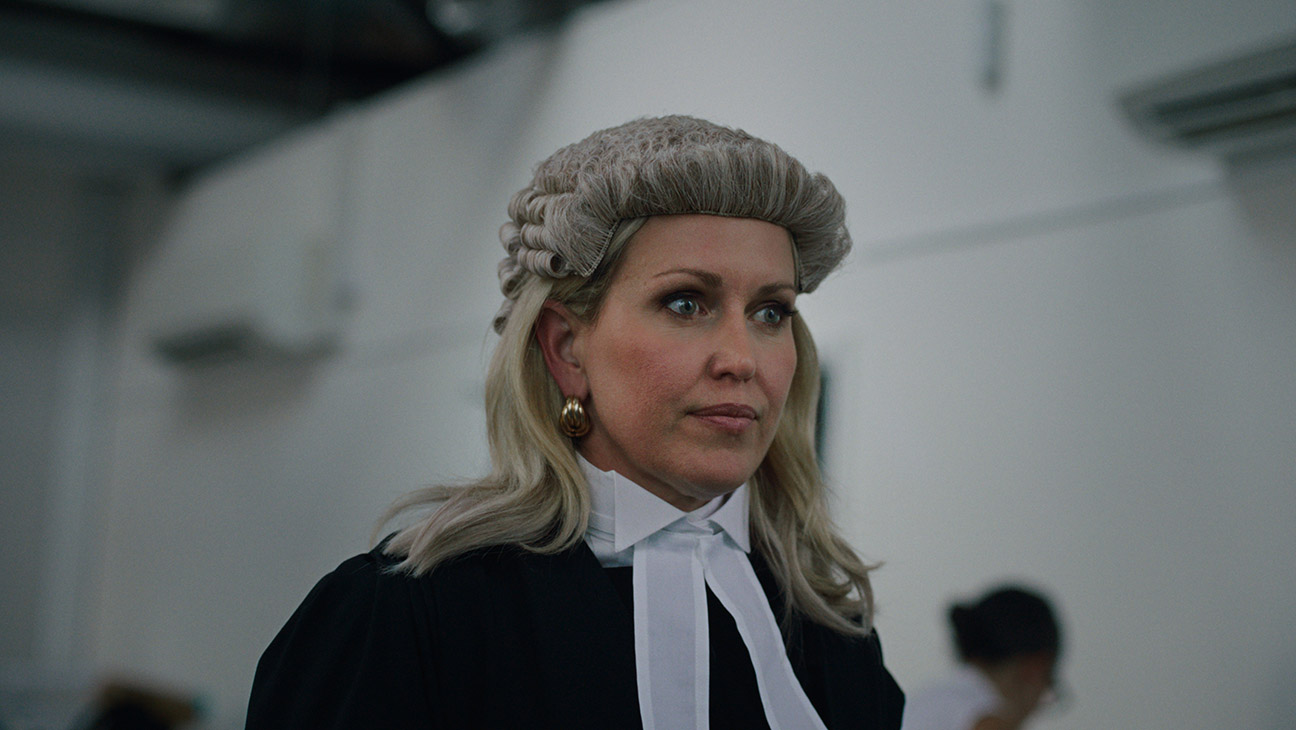
Focusing on the work of international human rights lawyer Jennifer Robinson, and using Robinson’s 2023 book Silenced Women as a framework, the documentary focuses on how defamation laws are weaponized against women who spoke about their experiences with sexual assault, harassment and gender-based violence. The documentary shows the legal mechanisms that have since been employed to punish those women, whether high profile or not, and ensure that they are unable to talk about their own experiences in public.
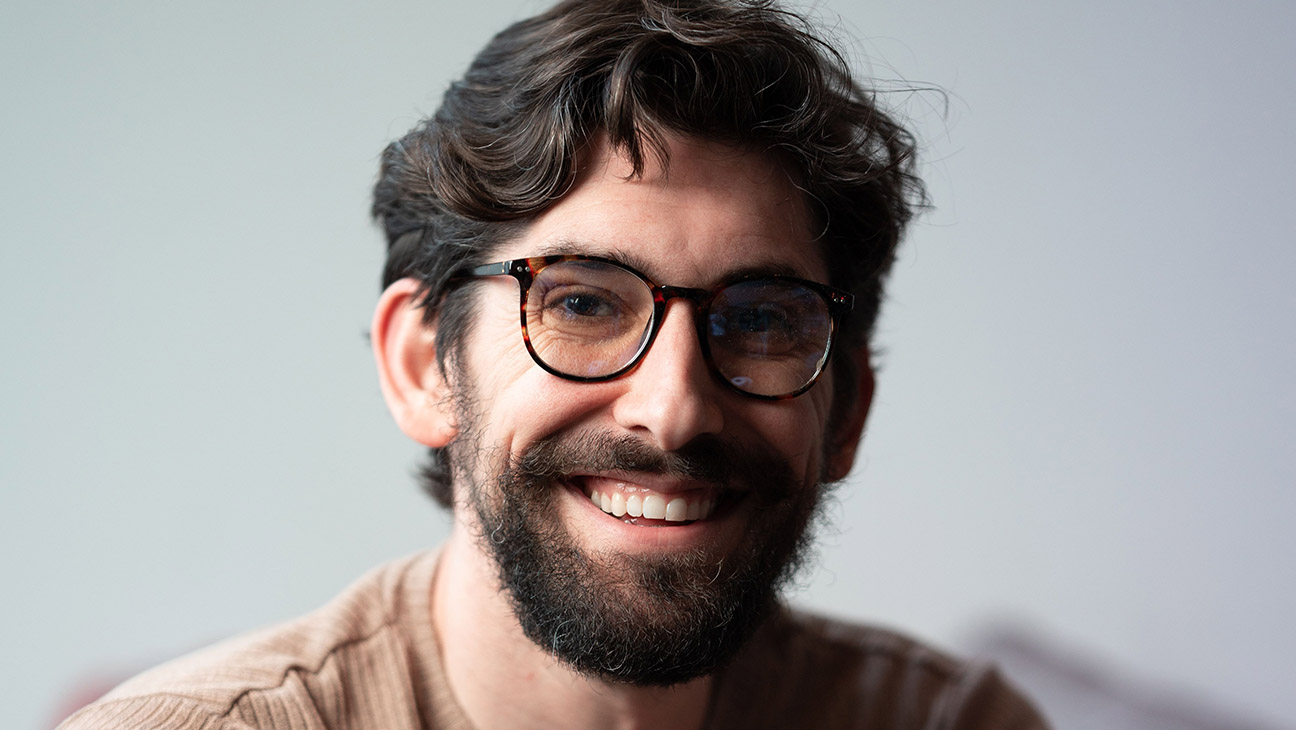
“There’s a lot of fatigue around MeToo. For some people, there’s a sense of ‘That’s done. We dealt with that back in 2017.’ We wanted to try and connect the dots in a way that acknowledges that it’s a continuum,” says Silenced director Selina Miles.
Still, the filmmakers didn’t want to only tie their documentary to the events of the MeToo, with Miles noting that the fight for survivors existed long before 2017. Says Miles: “Anybody who works in this space will tell you that women’s efforts to speak about their experiences and to address this horribly pervasive issue, there’s not going to be a singular event that’s going to solve a problem. It’s this constant fight.”
And Silenced is about that fight, using headline-grabbing cases from around the world as case studies.
One of the subjects speaking in the documentary is actress Amber Heard, who accused Johnny Depp of physical violence during their marriage and has since endured a legal firestorm that has spanned two countries. Robinson represented Amber Heard during the U.K. trial where Depp sued The Sun for calling him a “wife beater.” Depp ultimately lost that libel case, with the judge ruling that the article was “substantially true.” In the U.S., Depp brought a defamation case directly against Heard over an op-ed she wrote for The Washington Post in 2018 and surviving domestic violence (Depp was not mentioned by name). That jury ruled in favor of Depp.
Both cases were fodder for a media firestorm, begetting nightly news specials and full-length documentaries. In Silenced, Heard says in a talking head style interview that she was willing to speak about her experiences dealing with defamation suits to shine a light on the legal retaliation that can be deployed against those who speak about gender-based violence and sexual abuse.
“Amber lent her voice to this film at great personal risk, and with everything that she’s been through, it’s extraordinary that she’s having the courage to continue to speak about her experience,” said Miles, adding, “She was emphatic to us from the beginning that this film isn’t about her.”
A number of other cases are featured in the doc, including that of Brittany Higgins, a onetime junior staffer who came out in the press that she was raped by a fellow political staffer in Australia’s Parliament House. Also explored is the case of Colombian journalist Catalina Ruiz-Navarro, who was sued by director Ciro Guerra for defamation after reporting and publishing a story where eight women accused the filmmaker of sexual assault and abuse.
Miles notes that the filmmakers were not interested in relitigating the cases. Instead, the film’s roughly 90-minute runtime focused on the issue of using defamation cases as a legal tactic to silence women. “I really wanted to dedicate every minute of that to the first-hand, personal experience with these women. Not to speculation, not to opinion,” says the filmmaker. In Silenced, they wanted to offer a different understanding of well-known disputes: “How do we offer something to the audience that is different to what they might have seen before about these cases?”
Miles points out that the legal situations brought up in Silenced extend well beyond what she calls “women’s issues.” She says, “These kinds of lawsuits are coming for everybody. This is a major threat to free speech and freedom of the press.”
Robinson has also been the longtime legal representative for WikiLeaks founder Julian Assange. She will be on the ground at the festival where Silenced is premiering in the World Cinema Documentary competition and is seeking distribution.
Miles hopes that her film helps audiences to think about the personal bias and perception they may have towards women who speak out about gender based violence. Says the filmmaker: “The purpose of this film is to create conversation. All we really want to say with this film is that silence is not the solution.”