If real estate is all about location, location, location, international film markets are all about timing, timing, timing.
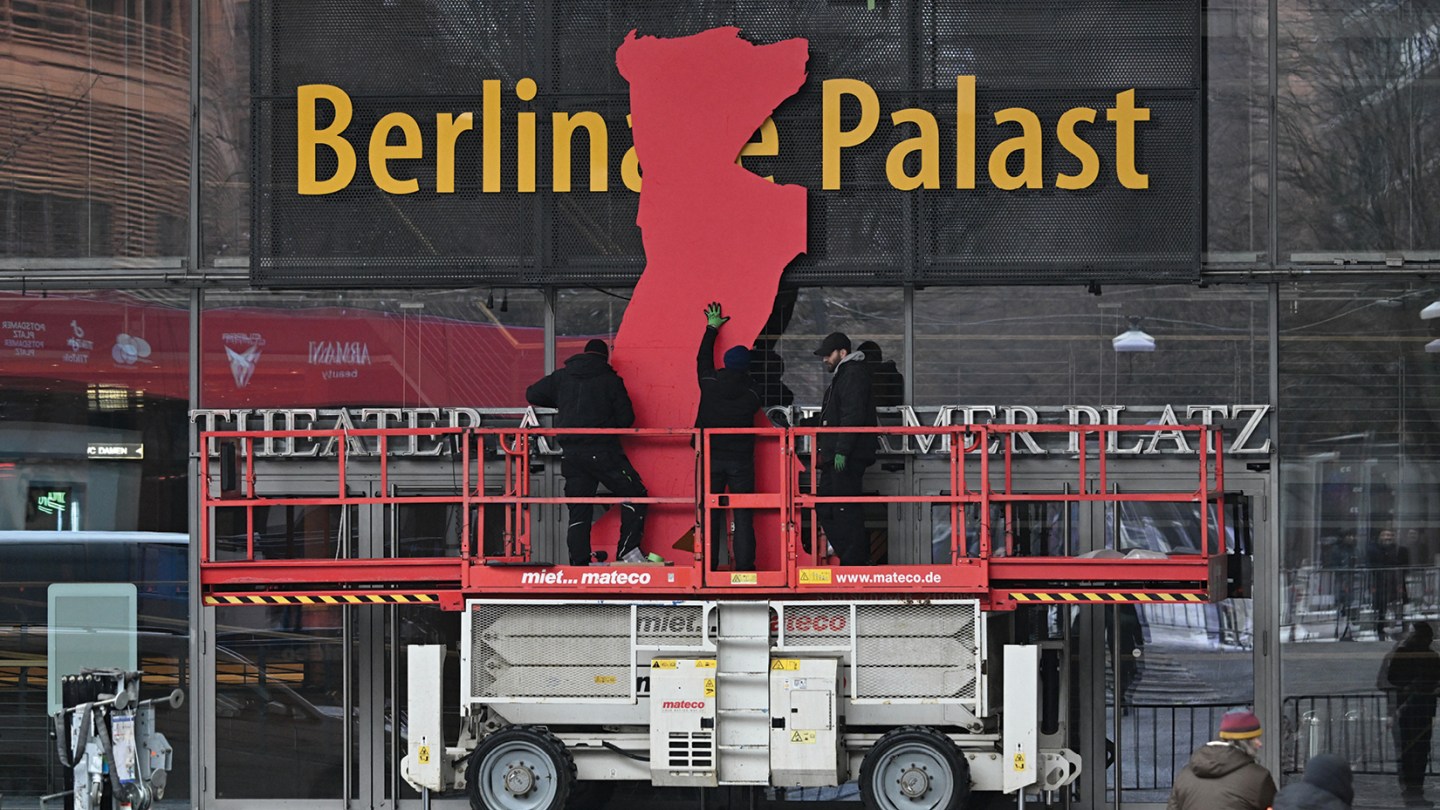
Berlin mid-February is not an ideal spot for red carpet fashion — pity the stars facing icy winds and sub-zero temperatures at this year’s Berlinale — but if you want to do business, the timing of the European Film Market couldn’t be better.
“We’re the first market of the year, international buyers arrive here with their pockets full,” says Tanja Meisner, director of Berlin’s European Film Market, which kicks off today. “[The EFM] has traditionally been a strong market for pre-sales, because buyers are really hungry in Berlin.”
“Last year we sold The Uprising [the Paul Greengrass-directed period action movie starring Tom Hollander and Andrew Garfield] to Focus Features and Good Sex [Lena Dunham-directed comedy starring Natalie Portman and Mark Ruffalo] to Netflix,” notes Alice Laffille, VP of sales at FilmNation Entertainment. “Berlin has always been like a strong market for us to pre-sell movies, and it’s going to be the case for us again this year.”
FilmNation arrive in Berlin off of a strong Sundance, where they closed the biggest deal of the fest — an 8-figure U.S. sale of Olivia Wilde’s sex comedy The Invite to A24 — and expect to build on that momentum at the EFM, pitching buyers on the creature horror Skeleton from Strange Darling director JT Mollner starring Brie Larson, and the fantasy animation feature Wildwood from stop-motion master Laika (Coraline, ParaNorman).
Recent indie success stories, from the mega — Lionsgate’s The Housemaid ($268 million worldwide gross) and A24’s Marty Supreme ($126 million) — to the solidly impressive numbers put up by SPC’s Nuremberg ($42 million worldwide) and Neon’s The Monkey ($70 million) — bode well for business in Berlin.
“Even though these are times across the board [for independent film], on the international side, we saw more than $300 million in box office in the last two years,” notes fellow FilmNation sales VP Rob Carney, “I think there’s a lot of optimism [in the market] that with the right projects, you can get audiences to go see movies.”
Berlin certainly won’t lack for packages this year, with new projects featuring Sydney Sweeney, Kate Hudson, Chris Hemsworth, and Zoe Saldana among the buzziest pre-sale tales on offer (see page XX).
If international markets remain robust, selling into the U.S. remains a challenge. The number of high-profile finished films premiering at the Berlinale still looking for U.S. distribution — titles like WME Independent’s The Weight, an action adventure starring Ethan Hawke and Russell Crowe, and Josephine, a family drama with Channing Tatum and Gemma Chan — is a testament to how risk-averse domestic buyers have become.
“They want to see finished materials, to have a clear marketing plan and audience strategy, even wait for the reviews before they commit,” notes Meisner.
Market uncertainty, however, hasn’t stopped a wave of new indie distributors from entering the market. Last year saw the likes of Black Bear (Christy), Row K Entertainment (Dead Man’s Wire), and 1-2 Special (Urchin) jump in. Ahead of Sundance this year, Warner Bros. launched its own specialty label, headed by ex-Neon executives, and industry vets Danielle DiGiacomo, Brian Levy, and Teddy Liouliakis rolled out new indie producer/distributor Subtext.
Then there’s Markiplier, aka YouTube influencer Mark Edward Fischbach, who showed everyone how it’s done with his self-released directorial debut, Iron Lung, which has grossed $20 million+ worldwide to date.
It’s too early to tell whether this new wave is a rising tide or just a bubble. But the fact that so many new buyers are entering the market, says Carney, is a sign of “optimism that there is business to be done.”
Meissner also sees hope in the success of international titles, from anime blockbuster Demon Slayer ($730 million worldwide) to Norwegian melodrama Sentimental Value ($20 million), something she attributes to the younger “Letterboxd” audience that is seeking out “distinctive, authentic stories” of the sort Berlin and the EFM have in abundance.
“There’s a strong appetite in the market for distinctive, culturally rooted European, Asian, and other international stories,” she says. “For a long time, it felt like these kinds of movies, this very distinctive, culturally-specific cinema, succeeded despite their identity. Now it feels like they succeed because of it.”