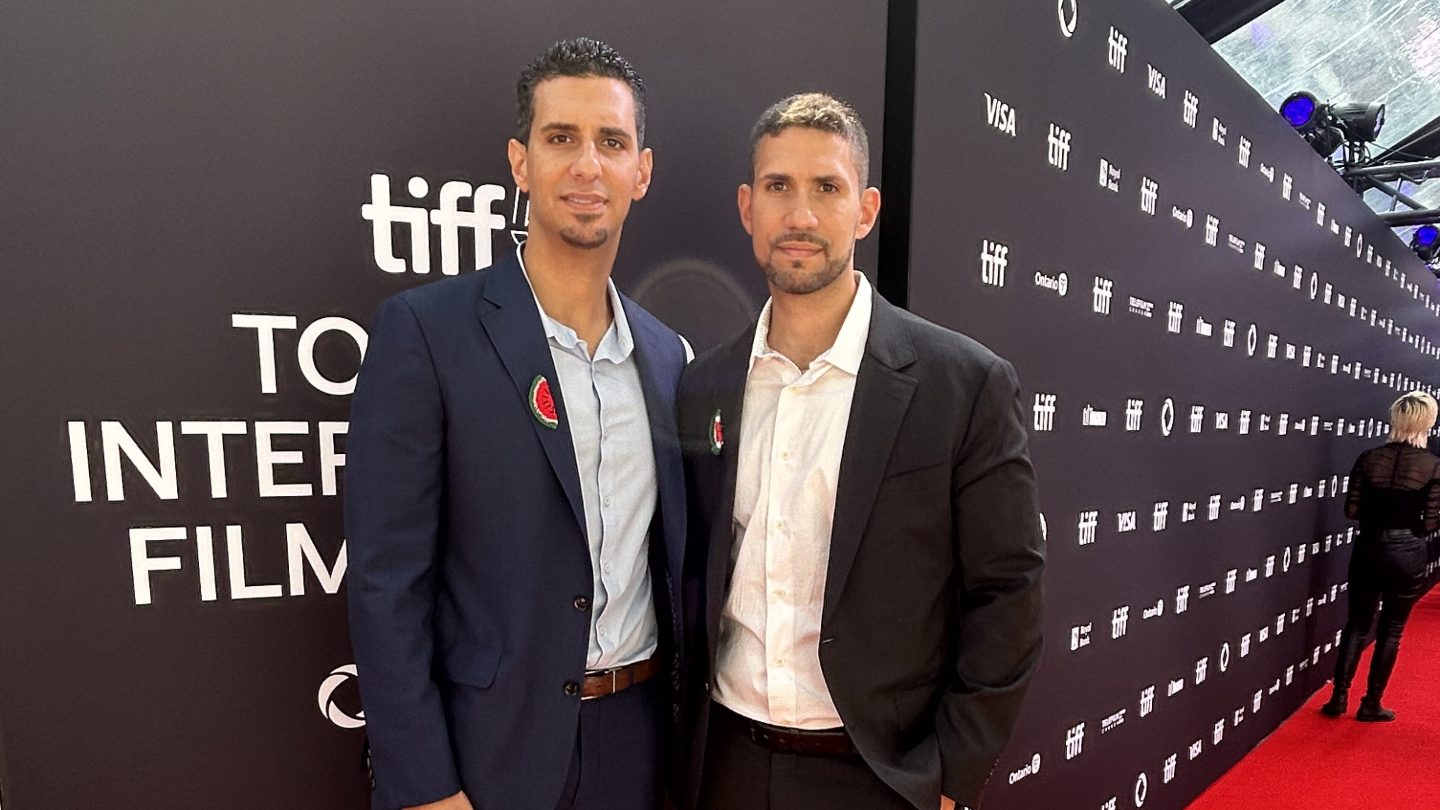
Just under two years ago, brothers Badie and Hamza Ali launched Watermelon Pictures, a Chicago-based production and distribution company designed to make and release the movies others won’t. Named for the fruit that shares the colors of the Palestinian flag and has become a symbol of resistance, Watermelon was founded to use “the power of film to amplify underrepresented voices,” particularly from Palestine and other marginalized communities.
Since its launch, the company has been true to its mandate. Watermelon has released documentaries and features tackling politically sensitive subjects that many distributors have deemed too risky — or, under the current Trump administration, potentially too dangerous — for the U.S. market. “We pride ourselves on being a fearless distributor,” says Badie Ali.
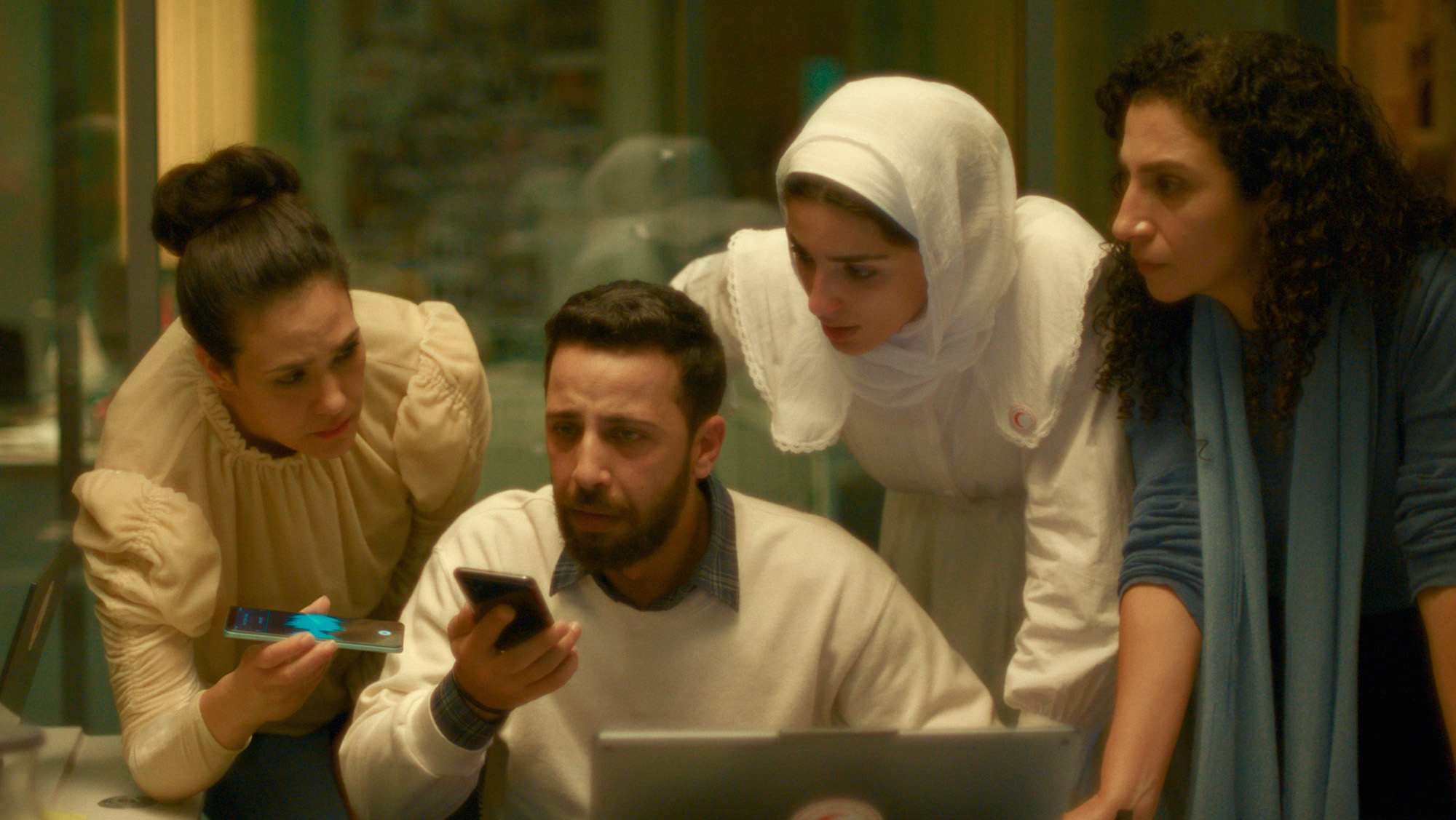
Watermelon released The Encampments, Kei Pritsker and Michael T. Workman’s documentary about pro-Palestinian Columbia University student activist Mahmoud Khalil, and From Ground Zero, an anthology film by 22 Palestinian directors chronicling life and death in Gaza. They co-produced Annemarie Jacir’s period drama Palestine 36, Kaouther Ben Hania’s The Voice of Hind Rajab, about the killing of a six-year-old girl and her family in Gaza, and Cherien Dabis’ Palestinian family epic All That’s Left of You. All three made the Oscar shortlist for best international feature, with The Voice of Hind Rajab going on to secure a nomination.
The brothers grew up in the business. Watermelon is a unit of indie distributor MPI Media Group, founded by their father, Malik Ali, and their late uncle Waleed, back in 1976. Badie and Hamza were inspired to launch Watermelon in the wake of the October 7, 2023, Hamas attacks that killed some 1,200 Israelis and triggered Israel’s war in Gaza. They were dissatisfied with the lack of reporting or concern in the U.S. media for the tens of thousands of Palestinian civilian casualties. (Israeli military officials recently appeared to publicly acknowledge figures from Gaza’s health ministry that some 70,000 Palestinians died in the war).
But building a business around politically charged films hasn’t been easy. While Watermelon has mobilized an engaged, largely younger audience through social media and grassroots theatrical campaigns, major streamers have kept their distance. “I don’t think any of our films have gone on a major streamer,” says Hamza. Last May, the company launched its own platform, Watermelon+, to ensure its movies could reach viewers without relying on traditional gatekeepers.
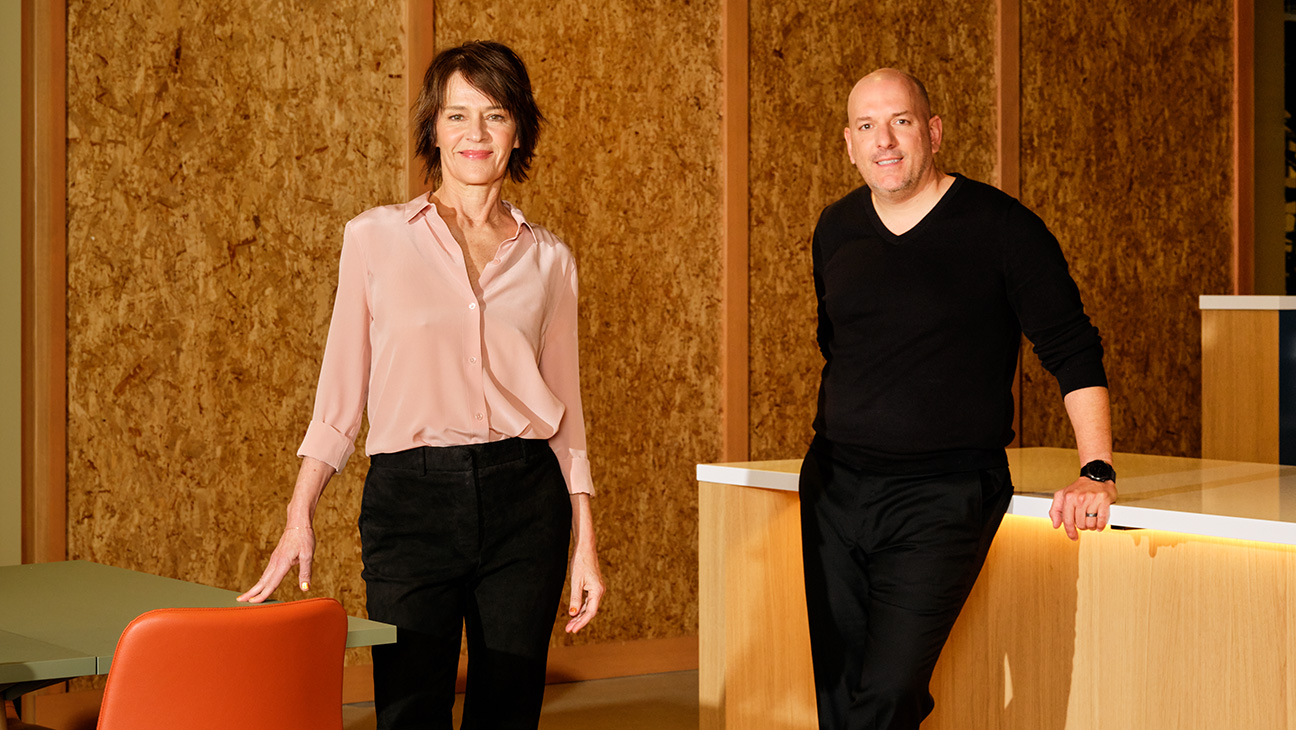
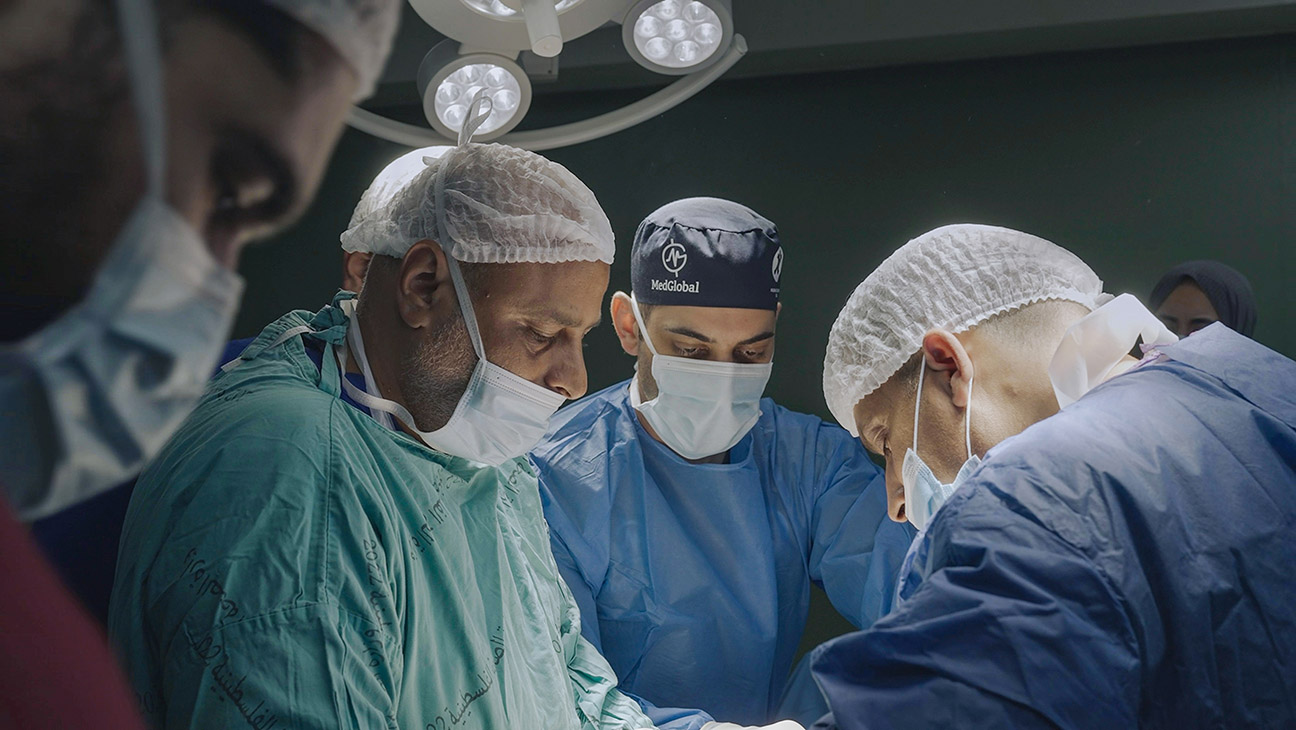
The Ali brothers spoke to The Hollywood Reporter ahead of the Berlin market — where their two Sundance docs — Who Killed Alex Odeh? and American Doctor are screening — to talk political resistance, their awards-season breakthrough, and Watermelon plans to expand beyond hot-button docs while staying true to its core mission.
It’s been just over a year and a half since you launched Watermelon. What have you guys learned in that time?
Badie Ali: I’d say the biggest thing for me was that there are a lot of people who are craving this type of content that we’re coming out with, this authentic content. [When we started], we thought maybe we were in just by ourselves, but we realized there are a lot more people than we envisioned that are really on board with what we’re trying to do.
Hamza Ali: I was gonna say the same thing. It speaks to the demand and the necessity of what we’re doing, releasing films from underrepresented voices. A lot of films go to festivals, and then they don’t have a shelf life; there’s no life beyond the festivals. So there was a huge demand for films that aren’t making it onto a major streaming platform.
Are you seeing more competition in that space?
Badie Ali: I think definitely we’re seeing that things are going more global, as you’re seeing in Berlin. There’s a need for more global content. Before, maybe a lot of content was just geared towards “the West,” but now, with media accessibility in everyone’s hands, I think there’s a huge audience globally that has been untapped and underserved for so long. I definitely think there’s a need for this kind of expansion to other territories. And from an IP standpoint, there’s so much untapped IP from certain regions, stories that have never been told.
Does that feed into what you guys want to do in the near future? Are you looking to expand beyond the U.S. in the rights for films you acquire for distribution?
Badie Ali: In general, absolutely. Things are shifting. We see Hollywood consolidating, and there’s a definite, conscientious effort to expand to other territories. But it’s not just the regions, it’s also the type of content. The world has become a little more global. Whether it’s, in our case, Arab content or Islamic content, it’s, as Hamza mentioned, these underserved audiences. And I feel that finally, there are opportunities where people are showing an interest in this. It’s kind of invigorating to see these filmmakers who haven’t had the opportunity to tell these stories. Now they’re seeing a path.
It’s also what’s happening with geopolitics, what’s happening in the world. With Trump and what happened in Venezuela, obviously, or in Palestine, all these things are waking the world up to the importance of other sources of storytelling.
What we’re trying to do is to raise awareness and really bring some of this stuff into the light. People are already seeing this stuff, specifically on social media, and it’s opening up their interest in what’s happening around the world. I think it’s our job is to make sure that people see these other narratives.
What role specifically does social media play in your strategy, not just in how you market and release your films but also in how you build your community, the audience for your films?
Badie Ali: The way media is consumed is changing rapidly. We all know that. Now we can either stay on the sidelines or jump in. What we’ve done is embrace these other mediums and build our own ecosystem. We’re changing the traditional model of what a label is.
We started by building our own community, and what we did there was through our messaging of what we believe in. We said: ‘Here’s what we’re trying to do. If you’re on board, please jump on.’ We’ve had so many people jump on, whether they’re allies within the industry or within the community, or people who are just looking for this content. They helped us build this audience.
Social media is where it all starts. Our communication starts with our audience there. We don’t look at a campaign as just: Here’s your theatrical release. It’s an all-encompassing thing because that’s how media is consumed by the next generation. I have four kids. Hamza has four kids as well. We have Gen Xers, Gen Zs, and Gen Alphas in our house. We’re watching very closely how they’re consuming media, and we know that things have to shift.
We see how Disney has come out [in January] saying they are focusing on vertical. We’ve been talking about vertical for a year and a half. Because we have to adapt. And I think we’re primed in a position because we’re so close to the community, so we can target our audiences wherever they are.
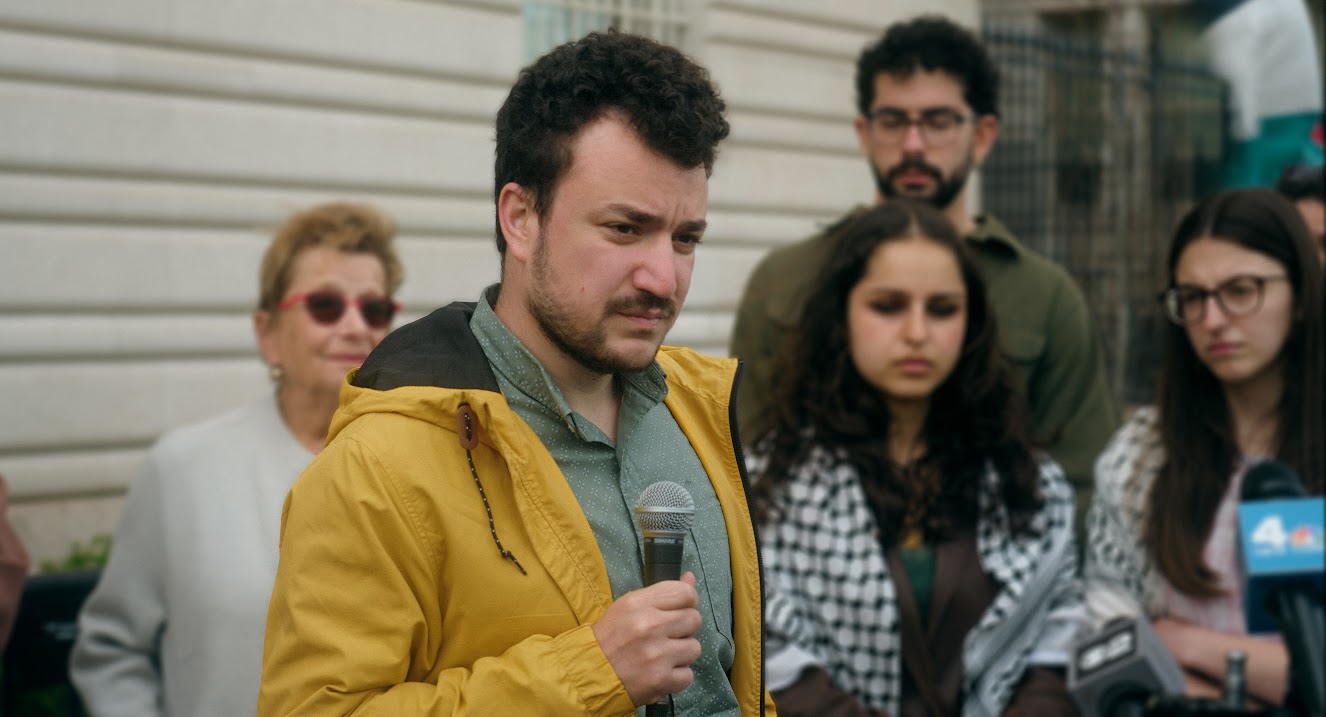
Hamza Ali: One campaign that stands out for me was [documentary film] The Encampments. We basically activated NGOs and organizational groups, and the feedback from the cinemas was: “This is the youngest demographic we’ve ever had in our theaters to watch a documentary.”
With social media, there’s a certain global solidarity that’s happening. There’s a lack of trust in the mainstream media, so people are seeking alternative outlets, alternative entertainment. We’re slowly becoming the home for films that aren’t able to get [traditional] distribution.
We pride ourselves on being a fearless distributor. We’ll put out the films that others won’t. If that door is opening and more distributors are getting the courage to take these kinds of films on, if streamers are as well, we welcome that. That was really the intent behind launching a streaming platform. If other streamers aren’t going to support our films, they are still going to have a life on a streaming platform.
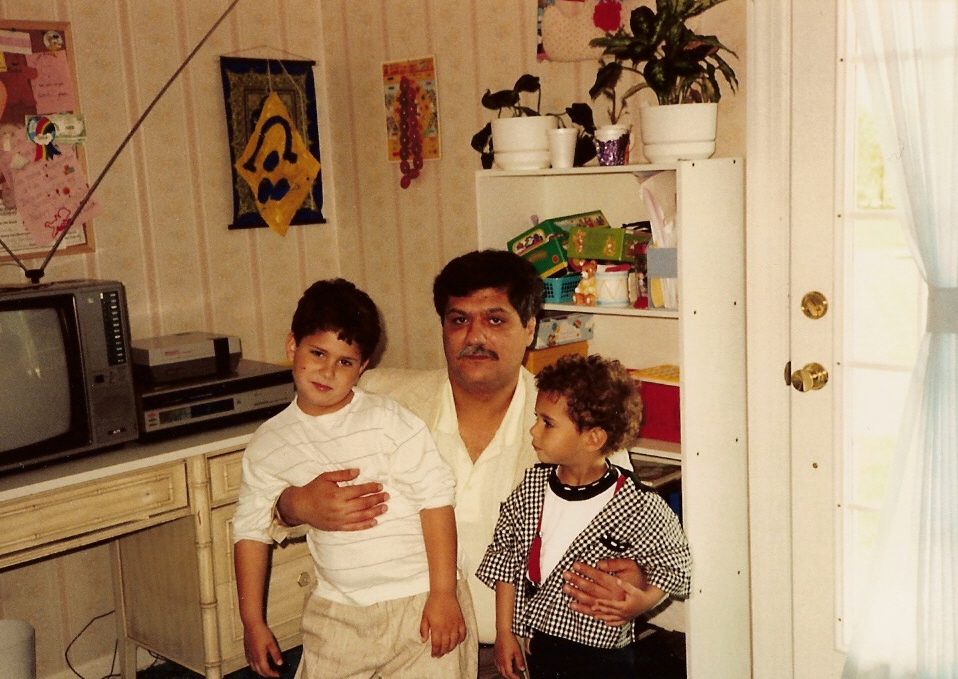
How much resistance is there to, like, the political messaging or the stories that you guys are putting out there?
Hamza Ali: I don’t think any of our films have gone on a major streamer. I really hope that changes in 2026, but it’s been extremely difficult. We’re able to reach transactional platforms, and some subscription platforms, and we’re able to reach the cinemas. We’re proving that there’s a demand out there. People want to see these films. It’s hard to get people into the cinemas, but a lot of people are watching our films, people who don’t always go to the cinema are going specifically for our films. If a major streamer did support our films, we think the viewership for them would be strong. But we haven’t had any support on that front. We hope that changes.
Hamza Ali: Of course, there’s a political component to this. But, obviously, indie film is struggling in general. The streamers started out supporting indie film and have gone on to make mainly the same sort of commercially-minded mainstream movies themselves, leaving indie filmmakers without an outlet.
But we’re not ignorant. It’s clearly a question for these outlets whether it’s worth it to take one of these films, where there could be a potential backlash. I think there’s an element of fear at play with the streamers.
You had three Oscar contenders on your slate last year — The Voice of Hind Rajab, which you produced, and which secured a best international film nomination, as well as Palestine 36 and All That’s Left of You. What’s the awards season campaign been like?
Hamza Ali: We managed the campaign for Palestine 36. For The Voice of Hind Rajab, we’re a producing partner, so we didn’t manage the awards campaign. But we’re very proud and thrilled that we had three films on the international Oscar shortlist. We’re super thrilled with the rate of growth of our label and the success that we’ve had, and with the fact that we’ve shown we can handle all facets of a release. We’ve built a really strong team of executives from across the industry, found the right partners and agencies to help us.
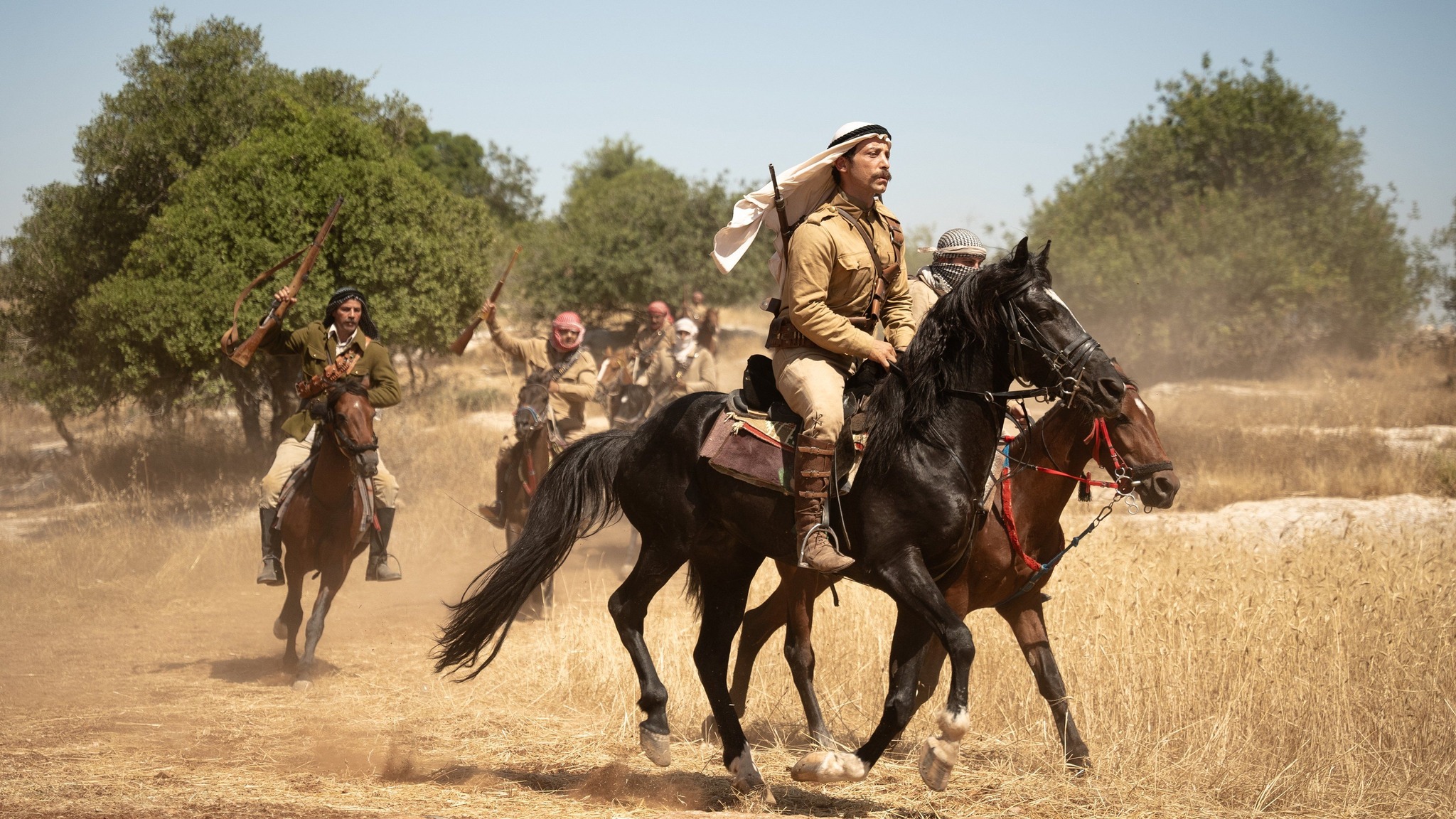
Badie Ali: The fact that there were three films, three out of 15 on the international Oscar shortlist, are from us, and all focused on the Palestinian issue, shows there’s a demand. It shows that we did our job to take these films and amplify them. We really want people to see these stories, to understand these perspectives.
It’s interesting that you took different approaches with all three. Full service on Palestine 36, a producing partner on The Voice of Hind Rajab, and coordinating the release with Willa and the director, Cherien Dabis, on All That’s Left of You.
Hamza Ali: Yeah, we can kind of really come in at any stage, at any time, and in any capacity. We’re producing films from scratch. We pick up films from the festival circuit. On others, we come in and do gap financing. Some films we acquire later and put on our streaming platform. We pride ourselves on being flexible, even with the release strategy. With The Encampments, we were originally going to release in October [2025], but with everything that happened with [Palestine campus activist] Mahmoud Khalil and everything, we fast-tracked it. [Watermelon released The Encampments last March].
Badie Ali: We’re also definitely building our own originals and development slate. With the development slate, we’re trying to go a little bit broader and more commercial. Because we feel a lot of what’s happening in the world is happening because of dehumanization, and because of the media’s role and complicity in that.
So we feel one of the best ways to dispel this dehumanization is to humanize who we are, to show who we are through film. It doesn’t need to be political. I’d better not get into specific projects, but think of movies like My Big Fat Greek Wedding or Crazy Rich Asians. Projects that show our community who we are. We’re working on a rom-com. There’s a doc in there, a horror film, an animated film. We are definitely going broader and more commercial, and we feel like that’s going to have the most impact, because we truly believe we can have further reach.
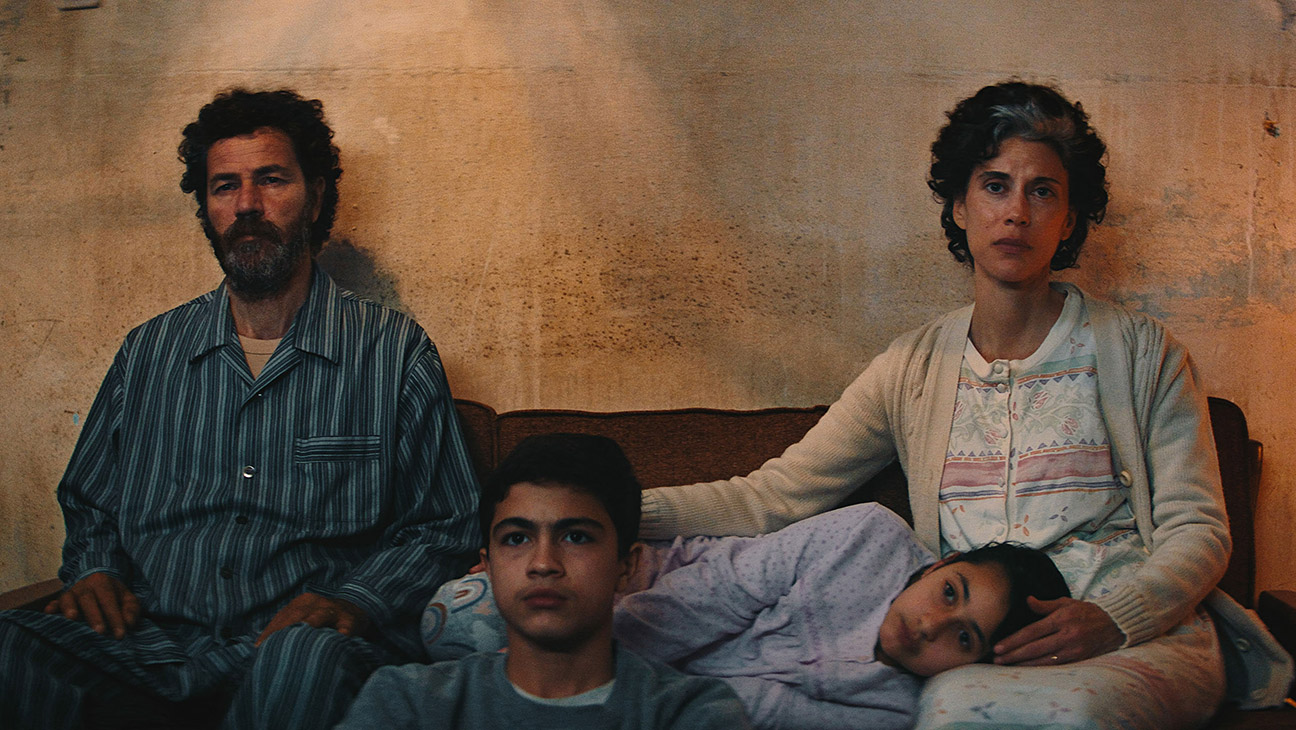
Hamza Ali: We already have our genre label, Dark Sky Film [a subsidiary of MPI Media], and we have a good track record in genre. We’ve produced more than 30 original films through Dark Sky. We’d love to take that knowledge of genre to get a horror film and bring it over to the Watermelon front.
We’re also developing original content, episodic content, for our streaming platform, Watermelon+. We’re talking to somebody about a cooking show. We’d love to get into stand-up comedy.
The films that we have all have a political backbone, and that will always be there. We have a full slate of them for 2026. We had two premieres at Sundance [American Doctor and Who Killed Alex Odeh?], which we’re very proud of. But we also want to get access to a wider audience through entertainment, which, as my brother was saying, humanizes people from our region.
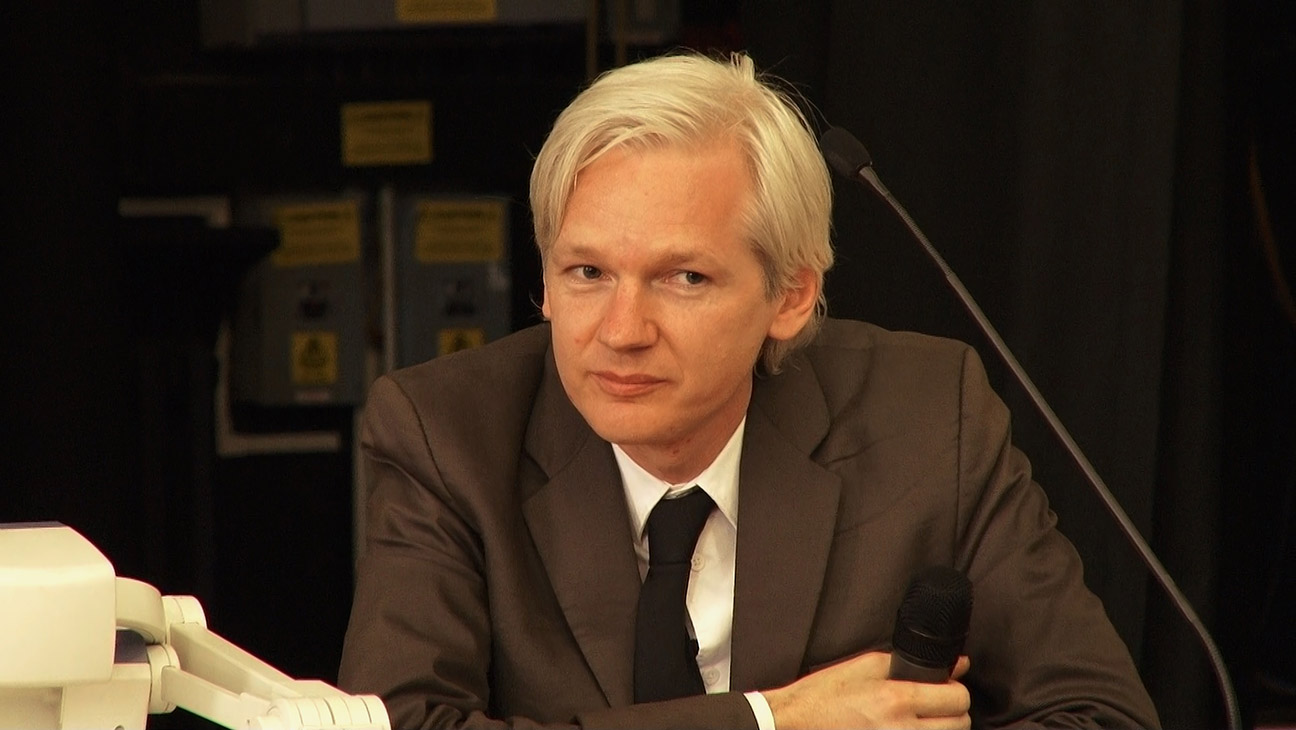
You also picked up one of my favorite documentaries from last year, Eugene Jarecki’s The Six Billion Dollar Man, about WikiLeaks founder Julian Assange. How does that film, which has nothing to do with Palestine or the Arab community, fit into the Watermelon brand?
Hamza Ali: We 100 percent want to broaden out. And we welcome all causes. With that film in particular, it really spoke to us because it’s about journalistic freedom, and it feels extremely relevant. Again, it’s a film I think other distributors were afraid of. We see a lot of value in a documentary about Julian Assange.
We’re also co-releasing Mārama, which was a Dark Sky production. That’s a [New Zealand] indigenous horror film. Again, nothing to do with Palestine. But it premiered at TIFF. It played AFI Palm Springs and Fantastic Fest. It’s a strong genre film, and we feel it’s a perfect fit for Watermelon. We’ve had documentaries about Black Lives Matter, about Sudan. Obviously, we’re always going to be here to support Palestinian cinema. But we want to be very inclusive of all subject matters.
Badie Ali: We can’t depend on gatekeepers deciding whether or not these films see the light of day. We need to be at the forefront. That’s why we launched Watermelon+, and in the long term, we feel that it will be a de facto home for a lot of this content.
Hamza Ali: We really believe this is the purpose of film, to wake people up. At some point, the purpose of film kind of shifted to become more sedative, a distraction, Marvel films, and whatnot. That’s all fine, but the films that we’re releasing, we want you to leave the theater thinking, maybe to leave motivated, or changed, activated, or whatnot. That’s what we’re looking for.
What are your hopes for the next two years of Watermelon?
Badie Ali: One of the main things for us is this development slate we’re really working on, and we’re very proud of. We feel it can play a pivotal role in shaping our narrative, our perspective. We’d be thrilled if some of these projects are in production, close to completion, or even in release in 18 months’ time. Because I know these will shed light on a perspective of the world that’s been shunned, silenced, and misrepresented.
Hamza Ali: We really want to stay filmmaker-forward. We believe in authorship and in providing the infrastructure for these films to succeed. We want the films to speak for themselves. In Palestine 36, The Voice of Hind Rajab, All That’s Left of You, we didn’t play a heavy role in the creative process. The filmmakers said what they wanted to say, and they made the films they wanted to make the way they wanted to make them. But I like to think we helped play a role in getting them seen. Overall, that’s our mission: To get these untold stories of our super-talented filmmakers seen.