Are the majors getting spooked by the festival premiere?
There is not a single studio-backed movie among the more than 200 films screening at this year’s Berlinale (Feb. 12-22). And its not just Berlin.
Virtually none of the biggest and most acclaimed studio films of 2025 — Sinners, One Battle After Another, Zootopia 2, F1: The Movie, Weapons — chose the festival route. The odd tentpole out was Paramount’s Mission: Impossible – The Final Reckoning, which bowed in Cannes. The red carpet glam and guaranteed press coverage that come with a festival premiere, and that used to be seen as a key asset in marketing and promoting a big movie ahead of launch, seem to have lost some of their appeal.
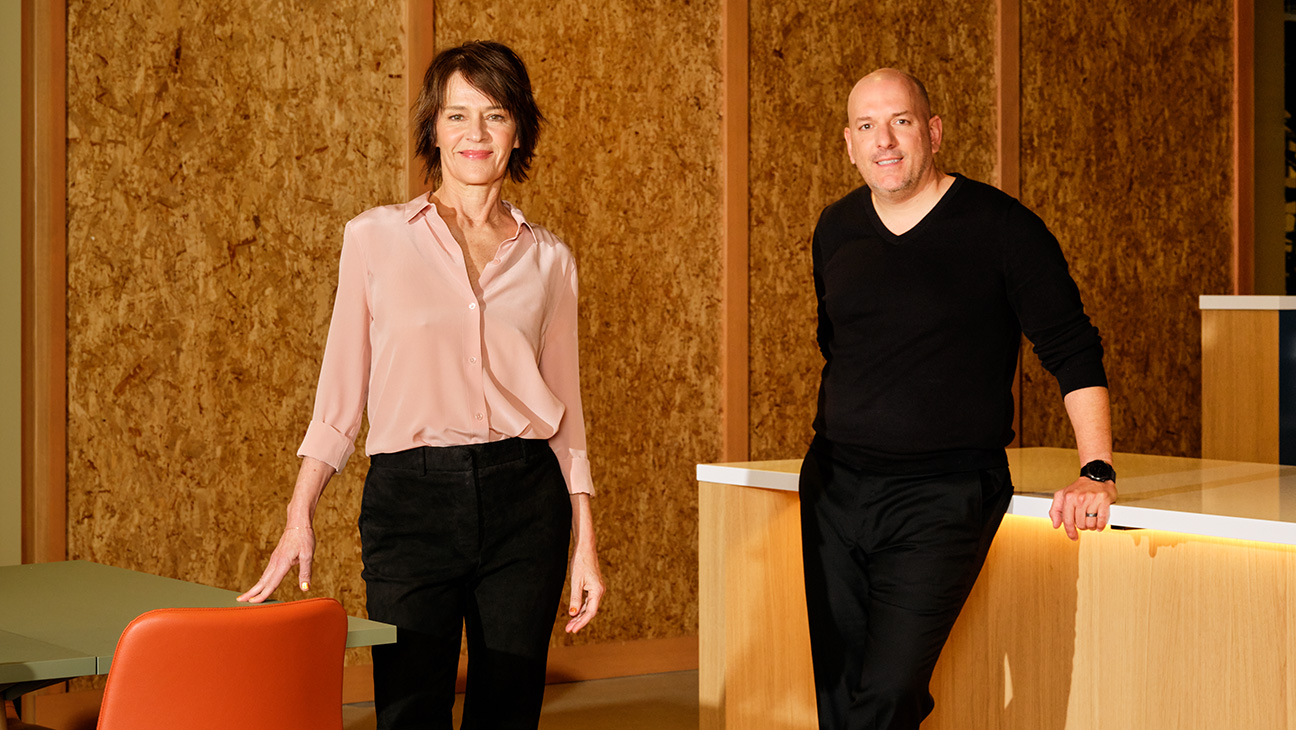
“I think this is less about the Berlinale and more about what’s happening right now in general,” Berlin festival director Tricia Tuttle tells The Hollywood Reporter. “The biggest films of the year in the crossover art house commercial sector didn’t launch at festivals. There’s a nervousness, because it’s a very difficult marketplace, a nervousness, about having reviews come out before very long before the launch of a film, [and not] being able to control the way those films are launched.”
A studio marketing exec, who has handled several festival launches, told THR that bringing a movie to Berlin, Cannes, Venice or Toronto adds a degree of risk. “You don’t know how a festival audience, and festival critics, will react. If they trash the movie, your campaign can be over before it started.”
Tuttle traces the trend back to the 2024 Venice festival launch of Joker: Folie à Deux, Todd Phillips’ follow-up to Joker, his Martin Scorsese-style comic book movie from 2019. Joker premiered at Venice, won the festival and used that momentum to power a $1 billion box office run. The follow-up, trashed by festival critics, was declared dead on arrival and limped its way to a meager $200 million worldwide. There were a few other big festival misses in 2024, including George Miller’s Furiosa: A Mad Max Saga and Kevin Costner’s ill-fated Horizon: An American Saga, both from Warner Bros., which both premiered at Cannes. Both got the obligatory Cannes standing ovation — a reported 7 minutes for Furiosa, a full triumphant 10 for Horizon — but it didn’t help much. Furiosa grossed $174 million worldwide, less than half of Miller’s 2015 Cannes bower Mad Max Fury Road. Horizon flopped so badly, earning under $40 million, that Warner dropped plans to release Part 2 of the saga (it remains in limbo).
It would be wrong to blame the festivals for the flops. Audiences hated Joker: Folie à Deux and Horizon. It’s unlikely they could have been hits, whatever their rollout plan. The 2024 Venice Festival opened with Tim Burton’s Beetlejuice Beetlejuice, which critics loved, and it went on to massive success, earning $450 million worldwide. After its Cannes bow, the final Mission: Impossible movie grossed $600 million. Less than the studio had hoped, perhaps, but on par for a franchise-ender that left many nonplussed.
And for many a studio-backed auteur — Yorgos Lanthimos, Wes Anderson, Chloé Zhao, Richard Linklater, Guillermo del Toro, Bong Joon Ho —the festival route remains the go-to. Last year’s Berlinale featured world premieres of both Bong’s Mickey 17 (from Warner Bros.) and Linklater’s Blue Moon (from Sony).
If the major studios are getting nervous about festival launches, it likely has as much to do with the changing nature of marketing campaigns. The lavish print and TV coverage granted a festival bow means less in a world where social media drives ticket sales. Timothée Chalamet’s guerrilla campaigns for A Complete Unknown and Marty Supreme (an A24 film that also skipped the festival circuit) designed to generate viral videos, not red carpet sound bites, are the new model. The festivals seem to acknowledge this — both Berlin and Cannes have sponsorship deals with TikTok.
And while the majors may have cooled on the idea of the festival premiere, for most independent and international releases, it remains essential. Most big indie and international breakouts of last year — such as Sorry Baby, The Secret Agent, Sentimental Value, It Was Just an Accident — got their start at a festival. For films that lack the marketing muscle of a major studio, the hype, critical cred and global media attention that comes from a festival premiere at Berlin, Cannes or Venice can make the difference between success or oblivion.
“We need these festivals, to get our films noticed; we need them to sell these films,” noted a veteran French sales agent. “Without them, these movies disappear.”